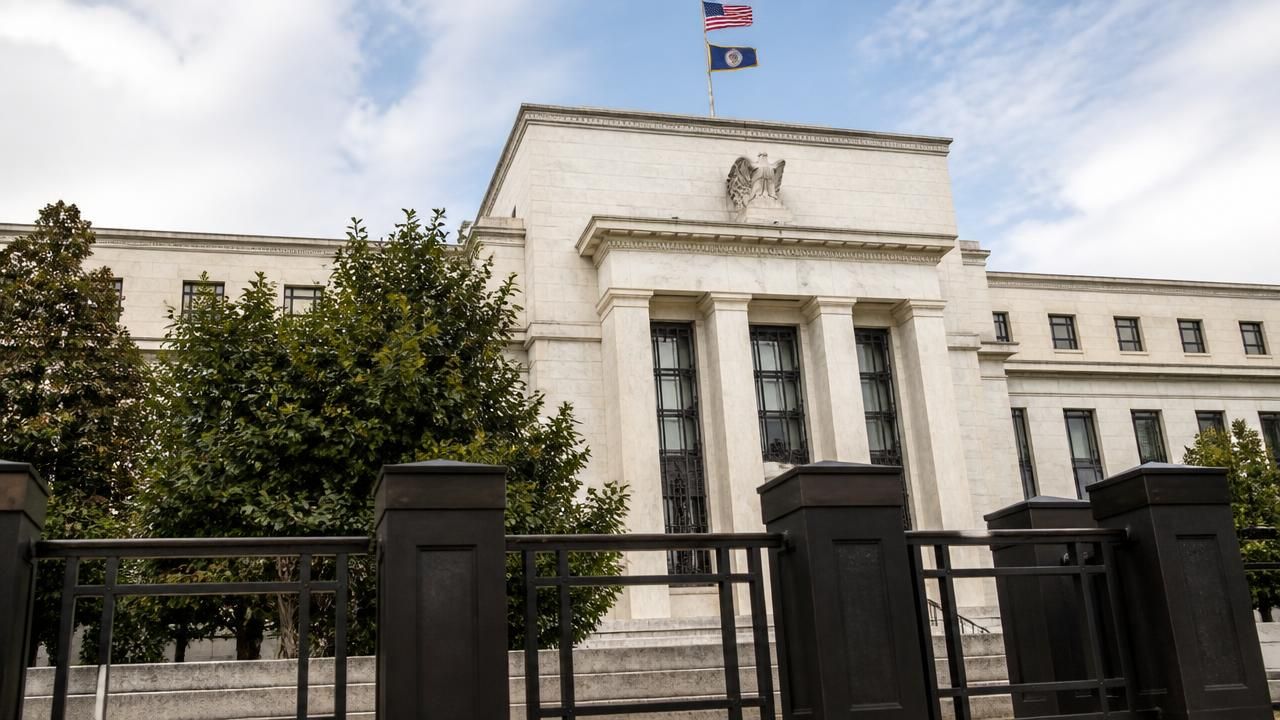
The Federal Reserve is expected on Wednesday to raise interest rates for the first time since 2023, delivering a quarter-point increase that markets have spent weeks treating as a near-formality. As of Tuesday, futures pricing implied a greater than 90% probability of a hike at this week's meeting, with traders also pricing in at least one additional increase before the end of the year, according to Bloomberg Markets.
The decision would end the longest pause of the current policy cycle and marks a sharp reversal for a central bank that spent much of the past three years defending the case for holding steady. Live coverage from CNBC, USA TODAY, Moneycontrol and other outlets is built around the same expectation: a quarter-point move, announced Wednesday, followed by a carefully parsed statement and press conference.
Markets price in a near-certain move
Equity markets drifted higher into the decision, with stocks edging up ahead of the US rate call. But positioning across asset classes tells a more complicated story. The dollar, yen and euro have all been recalibrated around the prospect of a 25 basis point increase, while gold — traditionally sensitive to real yields — slid to September lows, pressured by both the Fed decision and an oil supply crisis, according to CoinCentral.
Cryptocurrencies have been hit hardest. Bitcoin dropped below $77,000 ahead of the potential hike, with analysts pointing to an additional source of volatility: a scheduled vote on the CLARITY Act, crypto legislation that could reshape how digital assets are regulated. CoinDesk reported that bitcoin traders are bracing for the hike — but that a surprise hold, however unlikely, could pose the bigger risk, because it would force a violent repricing of rate expectations.
"Fed rate hike in September is all but guaranteed after CPI report, economists say" — CBS News
Why now? The inflation data that changed the calculus
Economists trace the shift to the latest Consumer Price Index report, which CBS News reported effectively sealed the case for a September increase. The New York Times framed the central puzzle bluntly in its own coverage: why would the Fed raise rates when borrowing costs are already surging?
The answer, as several outlets frame it, is credibility. Policymakers risk allowing inflation expectations to drift if they hold steady while price pressures persist. Yet the timing is awkward: mortgage rates, credit card costs and corporate borrowing expenses have all climbed sharply, meaning the Fed would be tightening into a market that is already restrictive — a point stressed by outlets covering the decision's household impact.
The Warsh factor: words over the decision
Several sources suggest the quarter-point move itself is not the main event. MSN's coverage of the meeting noted that Chair Kevin Warsh's words "may matter more" than the anticipated hike, while the Stamford Advocate reported that Warsh is likely to side with financial markets over President Trump as the Fed weighs the decision — a framing that places the central bank's independence squarely at the center of the story.
That political subtext is unusual even by recent standards. A chair whose public comments could either calm markets or invite pressure from the White House faces a communications challenge as delicate as any policy call. Analysts will be watching the dot plot, the statement language and the press conference for signals about the pace of any further tightening.
Forecasters split — and flip-flopping
Wall Street's own forecasts have been volatile. Goldman Sachs flipped on the likelihood of a Fed rate hike and then backtracked on its September forecast, a sequence that underscores how quickly the consensus has moved. Others have been more decisive: economists surveyed by MSN said a hike Wednesday is now likely, "and at least one more to follow." Investopedia's analysis framed the moment similarly — the hike looks likely, but what comes next matters more — while Seeking Alpha's contributors posed the question more directly still: is it even time for a hike?
Globally, the Fed is not acting alone. New Zealand raised interest rates for a second straight month, to 0.75%, in a reminder that other central banks are navigating their own normalization paths.
What it means for households
The practical consequences will land quickly, particularly for Americans with variable-rate debt:
- Mortgages: Millions of homeowners could see pressure on home-equity lines and adjustable-rate mortgages, with MSN reporting the hike could hit millions of homeowners directly.
- Credit cards: Card APRs, already at elevated levels, typically reprice within one or two billing cycles.
- Savings: Yields on high-yield savings accounts and CDs may tick higher, prompting a fresh look at money moves for households expecting rates to climb.
- Auto and personal loans: New borrowing becomes more expensive, cooling demand.
The road ahead
For markets, Wednesday's decision is less a destination than a starting point. The immediate questions are whether the Fed signals one more hike this year, how Warsh characterizes the balance of risks, and whether the dollar's strength tightens global financial conditions faster than policymakers intend. With bitcoin wobbling below $77,000, gold at monthly lows and equities grinding higher into the announcement, investors are positioned for a hike — and exposed if the Fed's guidance, rather than the rate itself, delivers the surprise.