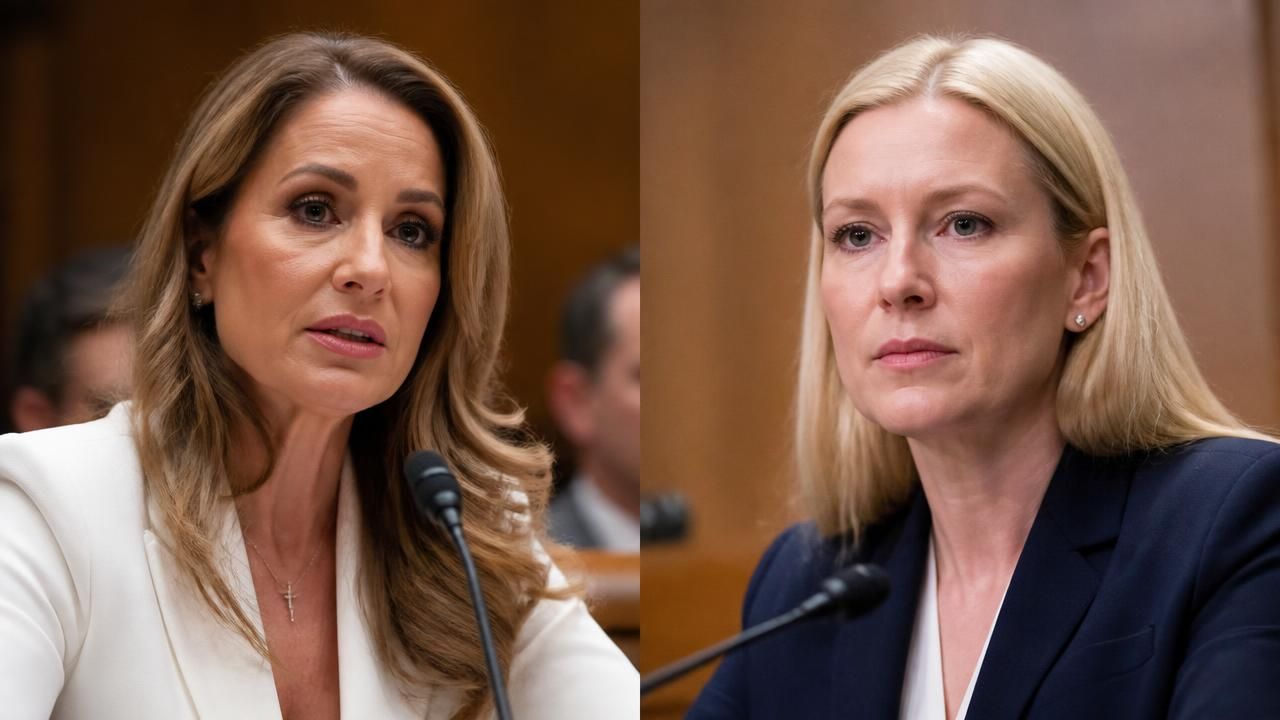
WASHINGTON — The Senate health committee is scheduled to hold a confirmation hearing Wednesday for three top health officials, including Dr. Nicole Saphier, President Trump’s third attempt to nominate a surgeon general, according to NPR News. The hearing arrives as the Senate returns to session and the administration pushes forward with a slate of health nominees, including Dr. Heidi Overton, a top White House aide whom Trump has picked to lead the Food and Drug Administration.
NPR first reported the hearing, noting that Saphier’s nomination is the third attempt by Trump to fill the surgeon general post. The Hill framed the moment procedurally, reporting that “Trump’s health nominees set to move forward with Senate return.” MSN focused on Saphier’s appearance, describing her as “Trump’s third surgeon general nominee” set to face the Senate. Yahoo and MSN, meanwhile, spotlighted the FDA pick, reporting that Trump had selected Overton, a White House aide, for the top FDA job and asking why her nomination is controversial.
The New York Times added a distinct frame: it described Saphier as an “occasional Kennedy critic” who is set to appear before the Senate. That detail suggests Saphier has at times broken with Robert F. Kennedy Jr., the prominent vaccine skeptic and health policy figure in Trump’s orbit. If confirmed, Saphier would become the nation’s top public health spokesperson, a role that has historically been used to communicate scientific guidance and reassure the public during health crises.
Who is Nicole Saphier?
Dr. Nicole Saphier is a physician who has been nominated to be surgeon general. Her nomination is notable not only because it is Trump’s third attempt to fill the position, but also because the New York Times characterizes her as an occasional critic of Kennedy. That could create tension during her confirmation hearing, particularly if senators press her on vaccine policy, public health messaging, and the administration’s broader approach to health agencies.
The surgeon general is often called the “nation’s doctor,” a role that carries significant symbolic and practical weight. The office can issue advisories, mobilize public health responses, and serve as a trusted voice during emergencies. The fact that Saphier is the third nominee for the job underscores the political difficulty of filling the role in a polarized environment.
“Dr. Nicole Saphier is President Trump’s third attempt to nominate a surgeon general,” NPR reported.
Dr. Heidi Overton and the FDA
Separately, Trump has picked Dr. Heidi Overton, a top White House aide, to lead the FDA. Multiple outlets, including Yahoo and MSN, reported the selection. One MSN headline asked: “Who is she and why is her nomination controversial?” The available reports did not detail the specific objections to Overton, but the FDA is one of the most powerful regulatory agencies in the world, overseeing vaccines, drugs, medical devices, food safety, and tobacco products.
Any nominee to lead the FDA faces intense scrutiny over the agency’s independence. The FDA’s decisions affect millions of Americans, and its leaders must balance scientific evidence, industry pressure, and political demands. Overton’s background as a White House aide may raise questions about whether she would maintain the agency’s traditional independence from political interference. Her nomination is likely to become a flashpoint in the Senate, especially if Democrats and some Republicans raise concerns about the administration’s health policy direction.
The Senate hearing and the stakes
The Senate health committee hearing will bring together three top health officials for questioning. While the exact lineup beyond Saphier and Overton is not fully detailed in early reports, the hearing represents a key test for Trump’s health agenda. Senators are expected to probe the nominees on vaccine policy, abortion-related health regulations, drug pricing, and emergency preparedness.
The Hill’s report that the nominees are “set to move forward with Senate return” suggests that Republican leaders want to confirm them quickly. But confirmation hearings rarely go smoothly when health policy is involved. The surgeon general’s office became especially politicized during the COVID-19 pandemic, when public health guidance became a partisan flashpoint. The FDA has also faced criticism from both sides, including over vaccine approvals and the handling of misinformation.
- Dr. Nicole Saphier: Trump’s third surgeon general nominee; described by the New York Times as an occasional critic of Robert F. Kennedy Jr.; set to appear before the Senate.
- Dr. Heidi Overton: White House aide picked to lead the FDA; her nomination is already being framed as controversial, though specific objections were not detailed in early reports.
- Senate health committee: Holding a confirmation hearing Wednesday for three top health officials.
- Political context: The hearing comes as the Senate returns and the administration seeks to fill key health posts.
Differing media frames
Different outlets are emphasizing different aspects of the story. NPR focused on the Senate’s questioning of Trump’s picks, highlighting the third-attempt nature of Saphier’s nomination. The Hill emphasized the procedural movement of the nominees as the Senate returns. MSN and Yahoo zeroed in on the FDA pick, with MSN asking why Overton’s nomination is controversial. The New York Times added political texture by noting Saphier’s occasional criticism of Kennedy, a detail that could shape her hearing.
Together, these frames paint a picture of a health policy slate that is advancing despite controversy. The nominations matter because the officials who fill these roles will influence everything from vaccine recommendations to drug approvals to public health messaging. In an era of declining trust in health institutions, the Senate’s questioning—and the nominees’ answers—will be closely watched.
What happens next
After the hearing, the Senate health committee will vote on whether to advance the nominations to the full Senate. If they pass, the nominees will face a final confirmation vote. Given the narrow partisan margins in the Senate, the outcomes could depend on a few swing votes. For now, all eyes are on Wednesday’s hearing, where Saphier, Overton, and a third health nominee will face senators’ questions for the first time.
As the administration reshapes federal health agencies, the confirmations will signal how much independence the FDA and the surgeon general’s office will retain—and how the Trump administration intends to handle the politically charged intersection of science, medicine, and public trust.