Washington and Beijing are negotiating targeted tariff reductions on American energy and agricultural exports, with officials on both sides growing more confident they can extend their fragile trade truce when President Trump and Chinese leader Xi Jinping meet next week, according to people familiar with the discussions.
The talks, first reported by Bloomberg, represent the most concrete signal yet that the world's two largest economies are edging back from a confrontation that has rattled supply chains, unsettled currency markets and slowed global growth forecasts. Two-way trade in the goods under discussion is valued at roughly $30 billion, a figure Reuters cited as Beijing began soliciting public comment on the planned reductions.
A truce in search of an extension
The current suspension of punitive tariffs was designed as a short-term cooling-off measure rather than a permanent settlement. Both governments have continued to levy duties on thousands of product categories at levels far above their pre-2018 baselines, and the truce's expiry would automatically restore some of the sharpest increases imposed during the past year.
Negotiators are now working to convert that pause into something more durable. Bloomberg reported that prospects for an extension are solidifying as working-level teams discuss slashing tariffs on a defined basket of goods — a narrower, more surgical approach than the sweeping reciprocal levies that dominated earlier rounds of the dispute.
The timing is deliberate. A leaders' summit next week offers both governments a venue to announce deliverables that would be difficult to sell domestically as standalone concessions. For the White House, tariff relief tied to farm and energy purchases can be framed as a win for exporters; for Beijing, a calibrated rollback preserves leverage while easing pressure on Chinese manufacturers and consumers.
Energy and agriculture at the center
The proposed cuts concentrate on sectors where trade volumes are large, politically sensitive and readily reversible — characteristics that make them useful as bargaining chips.
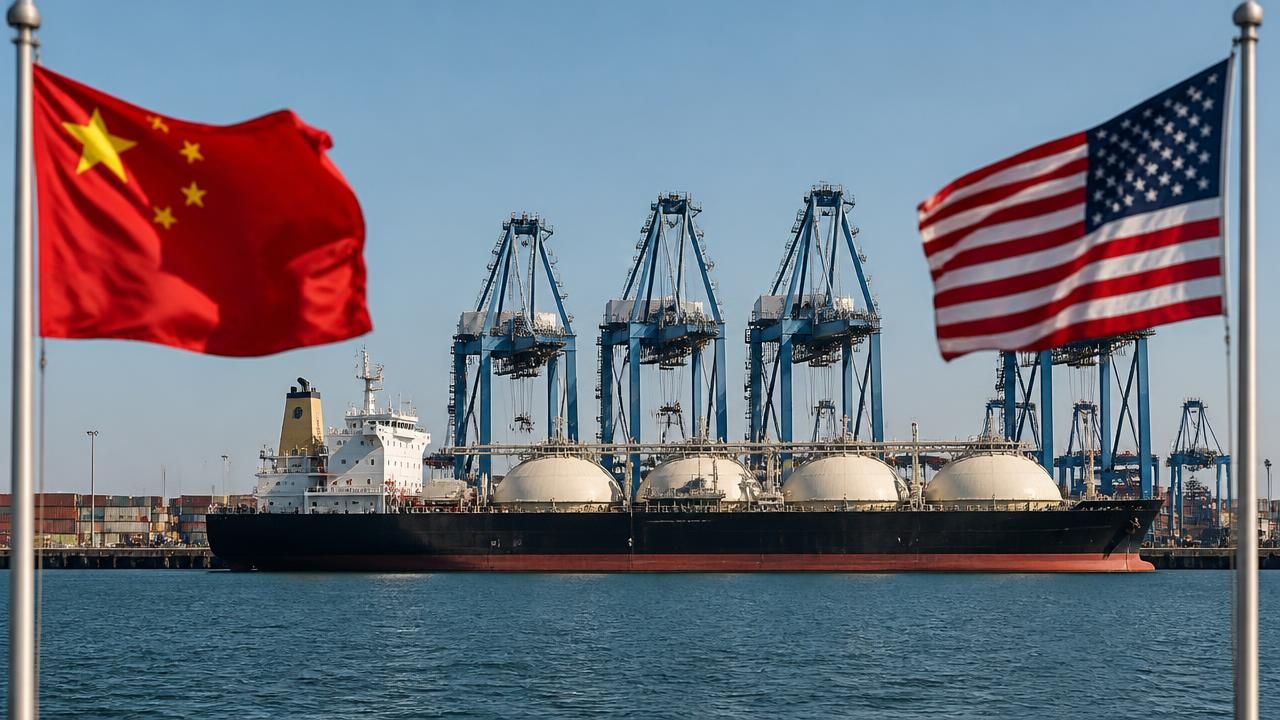
- Energy: US liquefied natural gas, crude oil and refined products, which China has curtailed sharply at various points in the dispute.
- Agriculture: soybeans, sorghum, corn and pork, commodities that flow through politically important US states and are central to Beijing's food security calculations.
- Process: phased reductions tied to verification of purchase commitments, rather than an immediate, across-the-board rollback.
For US producers, restoring even a portion of Chinese demand would ease a glut that has weighed on prices for more than a year. For China, cheaper American energy and feed grains could modestly lower input costs at a time when industrial margins remain thin.
Beijing opens the door to public comment
In a step that signals the plan is moving from negotiation into implementation, Chinese authorities have begun seeking opinions on the planned tariff cuts on the $30 billion in bilateral trade, Reuters reported. Such consultations are a routine but necessary part of China's regulatory process, and their launch suggests the mechanics of any deal are being prepared in parallel with the summit diplomacy.
The fact that the consultation is public matters. It gives Beijing a channel to test domestic reaction, and it commits the government, at least informally, to a specific scope of goods — narrowing the room for last-minute reversal.
Bessent's competing message at the G20
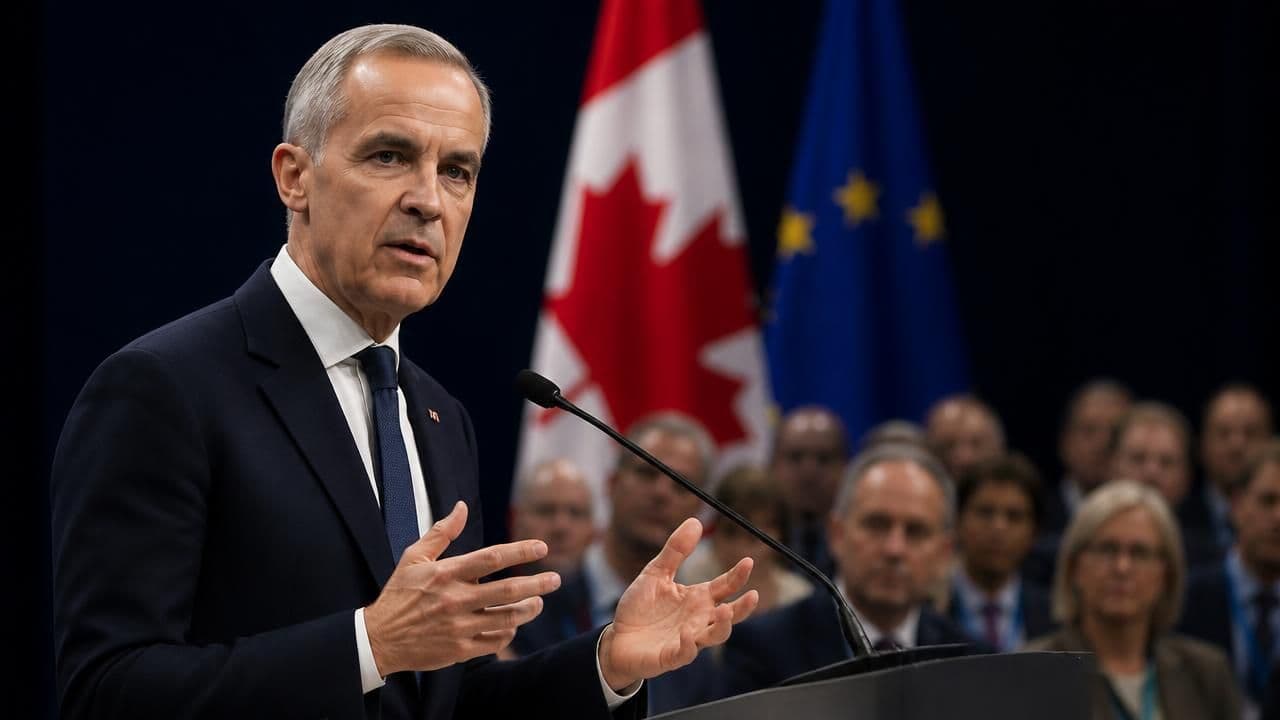
The conciliatory track in bilateral talks sits uneasily alongside the message Treasury Secretary Scott Bessent carried to the G20, where he argued that the group's members should consider additional trade barriers aimed at China in order to correct global imbalances.
G20 countries should consider more trade barriers on China to cut imbalances. — Treasury Secretary Scott Bessent
Read together, the two positions describe a strategy rather than a contradiction: bilateral de-escalation on specific commodities, coupled with multilateral pressure on structural issues such as overcapacity, subsidized exports and currency management. Bessent's framing effectively asks allies to absorb some of the burden of confronting Beijing while Washington banks the tangible gains from a truce extension.
How the outlets frame it
Bloomberg emphasizes momentum, describing the extension as increasingly likely and casting the tariff discussions as evidence that both capitals want a deal. Reuters focuses on process, highlighting Beijing's consultation as the practical machinery of a tariff reduction covering $30 billion in trade. Coverage on MSN foregrounds Bessent's G20 remarks, placing the story inside the broader debate over global imbalances rather than the bilateral negotiating room.
The difference in emphasis reflects a genuine ambiguity in the story: it is simultaneously a de-escalation narrative and a reminder that the underlying structural conflict remains unresolved.
What to watch
Three questions will determine whether next week's summit produces more than a headline. First, whether the tariff cuts are matched by enforceable Chinese purchase commitments or remain aspirational. Second, how the truce extension handles the hundreds of product categories excluded from the energy and agriculture basket. Third, whether other G20 economies follow Bessent's lead or treat his proposal as an invitation to a trade war they would rather avoid.
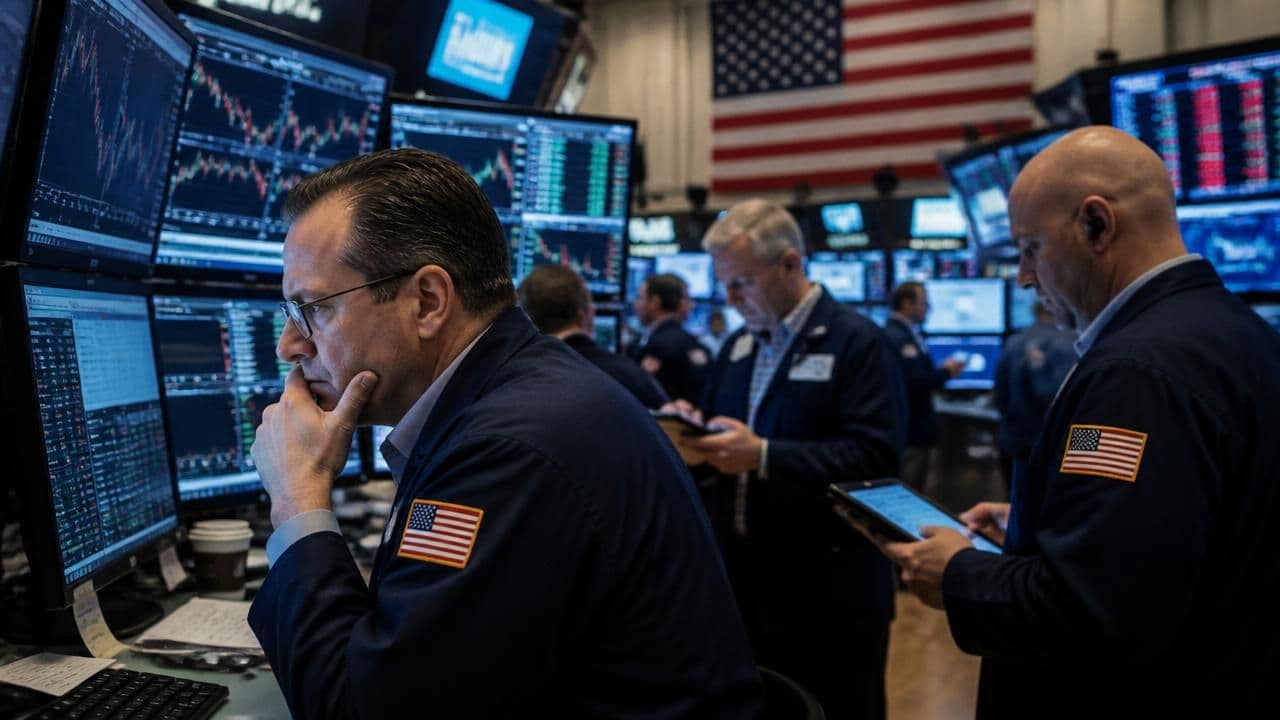
Markets have already begun pricing in a modest thaw, with agricultural and shipping equities sensitive to Chinese demand outperforming. The risk, analysts caution, is that a narrow commodity deal is mistaken for a comprehensive settlement — leaving investors exposed if talks stall after the leaders leave the table.