Global markets have entered a holding pattern of sorts — except that almost nothing about it feels calm. Bond traders have piled into bearish positions, equity indexes are grinding lower, the dollar is wobbling under the weight of incoming inflation data, and crude oil is flirting with $100 a barrel. All of it is happening in the days before a Federal Reserve meeting that investors describe, in the words of two converging headlines from Reuters and MSN, as simply "uncertain."
Bond traders move first
The clearest signal is coming from the fixed-income market. According to Bloomberg Markets, traders have aggressively positioned for a hawkish outcome, loading up on bearish bets ahead of Wednesday's Fed decision. Bloomberg's Sunny Bangia and Tom Orlik framed the setup as a broad-based pressure campaign on equities, with rate expectations rather than corporate earnings driving the tape.
The stakes are unusual because the debate is no longer about when cuts arrive, but whether policymakers might tighten again. A hike — or even a strongly hawkish hold with guidance pointing upward — would mark a sharp reversal from the easing cycle markets had spent much of the past year anticipating. That gap between positioning and policy is precisely what makes the moment so volatile.
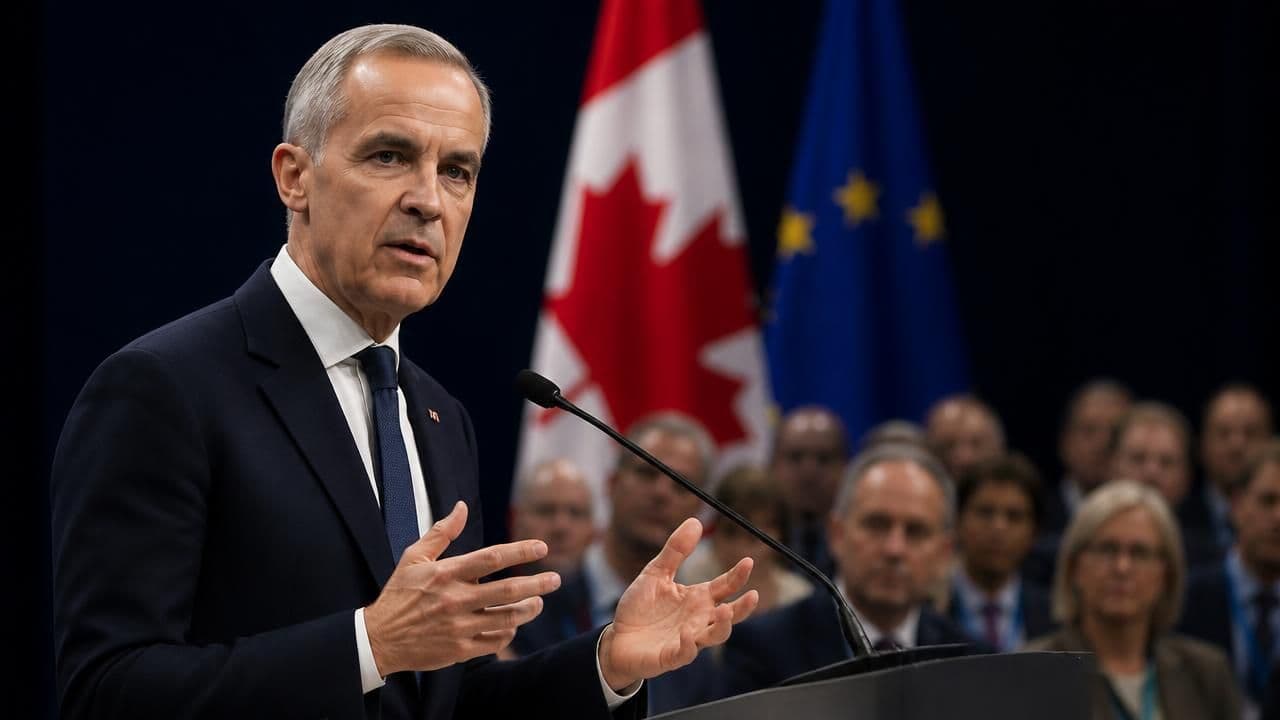
"Investors brace for possible rate hike at uncertain Fed meeting." — the framing shared by Reuters and MSN, and the single sentence driving trading desks this week.
Equities under pressure
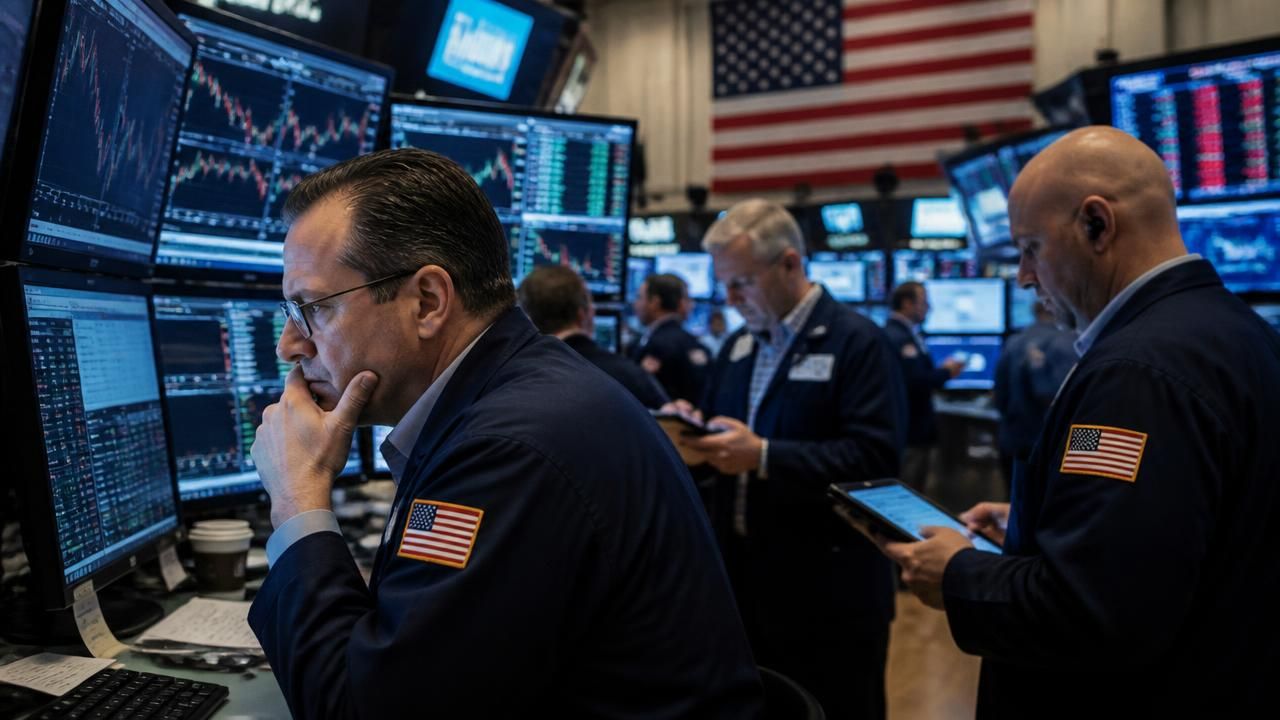
Equity markets are absorbing the shift in real time. Higher discount rates compress valuations, particularly for long-duration growth names, and the prospect of another tightening step removes the "Fed put" that had cushioned pullbacks. Bloomberg notes that the pressure is broad rather than sector-specific, suggesting macro positioning dominates stock selection right now.
For portfolio managers, the challenge is one of sequencing: inflation data lands before the Fed decision, meaning the market gets a verdict on price pressures first and a policy reaction second. Any upside surprise in the inflation print would likely validate the bond market's bearish tilt and deepen equity losses.
A dollar under pressure, a peso on edge
Currency markets are where the tension is most visible. EconoTimes' Asia roundup described the dollar as "under pressure" as traders brace for the inflation data and the Fed, while gold gained as a hedge and oil pushed toward triple digits. Meanwhile, FXStreet reported that the Mexican Peso stumbled into a US inflation week — a reminder that emerging-market currencies remain acutely sensitive to US rate differentials and risk appetite.
A softer dollar alongside rising gold is a classic hedging posture: investors are not abandoning risk so much as insuring against a policy error in either direction. Gold's gains, in particular, suggest that some participants are hedging a stagflationary scenario rather than a straightforward tightening one.
Oil near $100 reshapes the calculus
Crude's approach to $100 a barrel complicates the entire picture. Energy costs feed directly into headline inflation, which narrows the Fed's room to maneuver and partially undercuts the case for restraint. If oil holds these levels, the inflation data due this week may read hotter than the core measures alone would suggest — giving hawks on the committee additional ammunition.
Europe's parallel tightening
The story is not confined to the United States. MSN reported that bond yields hit multi-year highs as traders brace for a new European Central Bank rate-hike cycle. The synchronised tightening impulse across the Atlantic amplifies the pressure on global duration, sovereign borrowing costs, and any economy carrying significant dollar-denominated debt.
- Rates: Bearish bond positioning ahead of the Fed; ECB hike expectations push European yields to multi-year peaks.
- Equities: Broad pressure as higher discount rates and policy uncertainty erode risk appetite.
- Currencies: Dollar softens into inflation week; the Mexican peso leads emerging-market sensitivity.
- Commodities: Gold firms as a hedge; oil nears $100, adding to inflation risk.
How the coverage differs
Each outlet is framing the same week through a different lens. Bloomberg leads with positioning — what traders are actually doing with their money. Reuters and MSN lead with anticipation, emphasising uncertainty itself as the story. EconoTimes takes the panoramic view, stitching Asia, commodities and currencies into a single narrative. FXStreet narrows to a single pair, using the peso as a barometer of dollar stress.
Taken together, they describe a market that has stopped asking whether policy is restrictive enough and started asking whether it will become more restrictive still.
What to watch
The sequence matters more than any single print. Inflation data arrives first and will set the tone; the Fed decision then either confirms or confounds it. Watch the front end of the curve for the truest read on policy expectations, the dollar index for confirmation of the hedging flows, and oil for the inflation wildcard. If crude holds near $100 and yields stay elevated, the pressure on equities described by Bloomberg may prove less a pre-meeting pause than the start of a broader repricing.