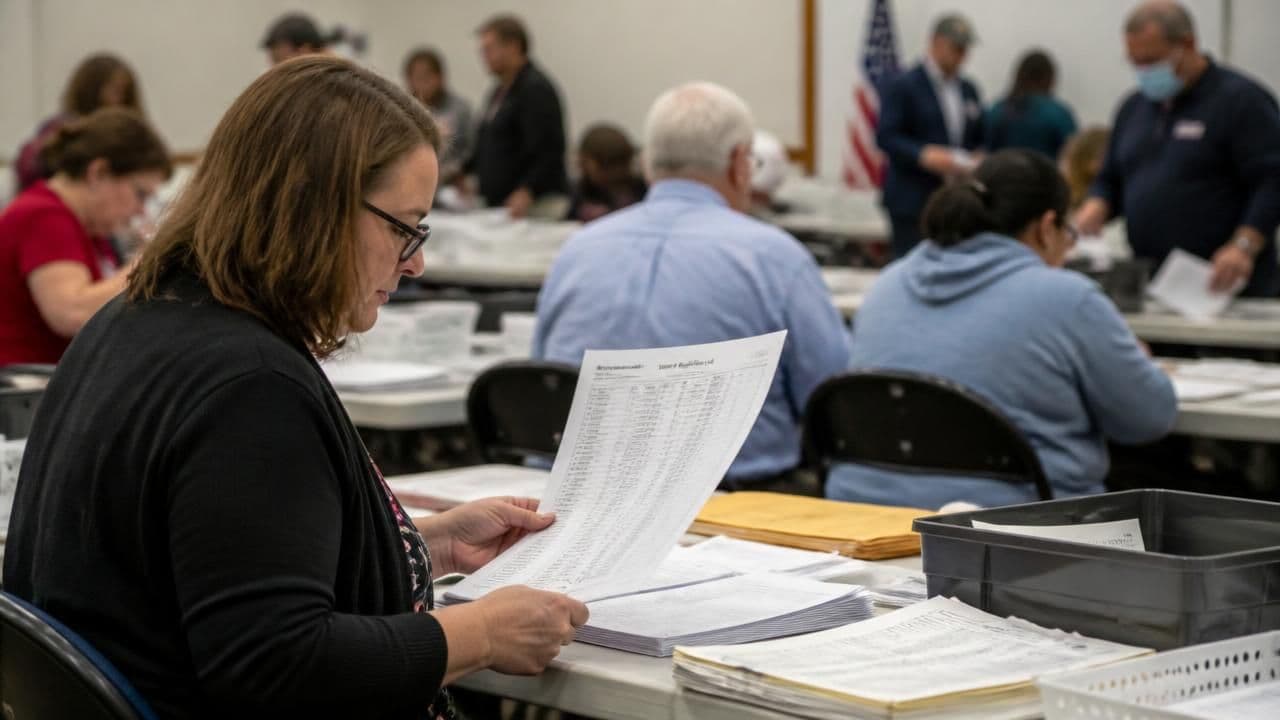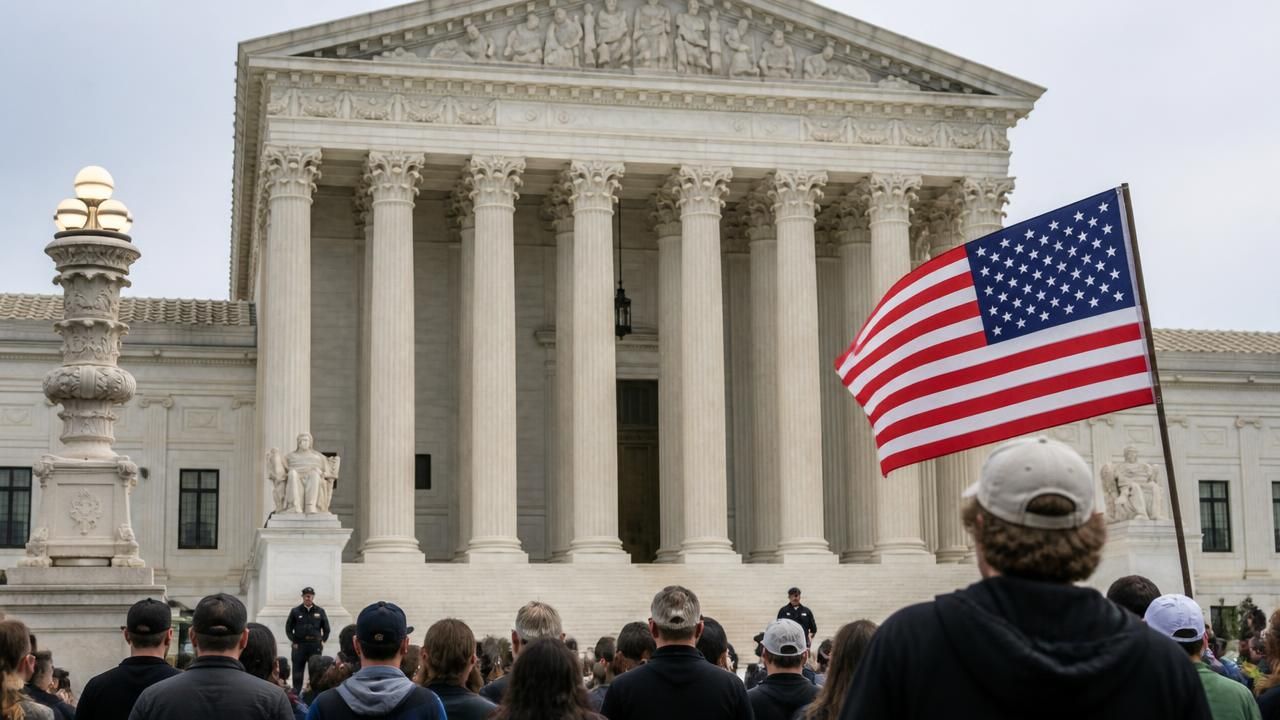
The Supreme Court has rejected the Trump administration's bid to put mail-in voting restrictions in place for this year's midterm general election, dealing the White House a significant — if possibly temporary — defeat in a fight that goes to the heart of how Americans cast their ballots.
The administration had asked the justices to allow restrictions on mail balloting to proceed under a U.S. Postal Service plan, an emergency request that would have reshaped the mechanics of the midterm election with voting already underway in some states. The court declined. As a result, mail voting procedures remain as they were, and the Postal Service will not be permitted to change course under the disputed plan while litigation continues.
What the Court Did — and How It's Being Framed
Coverage of the decision was nearly unanimous in its top line. NPR reported plainly that the Supreme Court "rejected the Trump administration's request to allow mail-in voting restrictions under a U.S. Postal Service plan for the midterm general election." The Guardian's headline said the court rejected "Trump's mail ballot restrictions for midterm elections." Other outlets carried the same core fact, underscoring how little daylight separated the news organizations on the outcome itself.
Where the framing diverged was in how permanent the ruling appears to be. The Times Union's account emphasized that the court rejected the restrictions "for now" — a hedge that signals the dispute may not be finished. The qualifier matters: emergency applications to the Supreme Court are often decided on the procedural posture of a case rather than its underlying merits, and a denial at this stage does not necessarily end the legal battle. The administration or other parties could return to the court as the case develops, and a future filing could present the justices with a different question.
The Supreme Court rejects Trump's mail ballot restrictions for now ahead of midterms — Times Union
Adding to the layered picture, another report indicated that a U.S. appeals court had also rejected the administration's bid to implement the mail-in voting restrictions. That means the administration has now lost at multiple levels of the federal judiciary on the same question, with the Supreme Court's action leaving the lower court's ruling standing rather than replacing it.
Why Mail Voting Keeps Landing in Court
Mail balloting has been the most litigated element of American elections for the better part of a decade. Its use surged during the 2020 presidential election, when the COVID-19 pandemic pushed tens of millions of voters to cast absentee ballots. That expansion triggered a wave of litigation over deadlines, signature-verification rules, drop boxes, ballot harvesting, and — critically — the Postal Service's capacity to deliver ballots on time.
The Postal Service occupies a unique place in that fight. Unlike state election officials, it is a federal agency under the executive branch, which means its policies can be changed by the administration in power without action by Congress or the states. That has made USPS procedures — processing standards, delivery schedules, facility consolidations — a recurring target for advocacy groups that argue operational changes can slow ballot delivery and disenfranchise voters. Plans to alter mail handling have repeatedly drawn lawsuits seeking to freeze those changes during election periods.
The stakes for the midterms
- Timing: The dispute reached the justices during an active election cycle, when courts traditionally apply heightened scrutiny to last-minute changes in voting rules.
- Scope: A Postal Service plan governing mail handling could touch every state that relies on absentee or mail-in voting, not just a single jurisdiction.
- Precedent: A decision on emergency relief does not settle the legal question, leaving room for the issue to return.
- Administration: State and local election officials had warned that late operational changes would create confusion for voters and strain already compressed ballot-processing timelines.
A Multi-Level Judicial Defeat
The administration's path to the Supreme Court ran through lower courts that had already declined to greenlight the restrictions. An appeals court rejection meant the administration was effectively asking the justices to override appellate judges in the middle of an election cycle — a request the court turned down. The practical effect is that existing mail-handling practices remain in force, and election officials in states with heavy mail voting can proceed under rules they have already planned around.
Legal observers note that election-related emergency applications are among the hardest calls a court faces. Courts generally resist changing election procedures close to an election, on the reasoning that late shifts create more harm — through voter confusion and administrative chaos — than the problems they purport to fix. That principle, sometimes described as a presumption against last-minute election changes, is not partisan in origin but has become central to voting litigation as disputes have multiplied.
What Happens Next
The Supreme Court's action resolves the immediate question but not the underlying conflict. The case can continue in the lower courts, and the administration retains the option of returning with a renewed request if circumstances change. Meanwhile, the practical reality for voters is unchanged: mail ballots will move under the same procedures that were in place before the emergency application was filed.
For election administrators, the ruling offers a measure of certainty in a cycle defined by legal volatility — but only a measure. With multiple courts already having weighed in against the administration and the litigation still live, the mail voting fight is likely to reappear as ballots are printed, mailed, and counted. As one account put it, the court has rejected the restrictions "for now." In election law, those two words carry a great deal of weight.