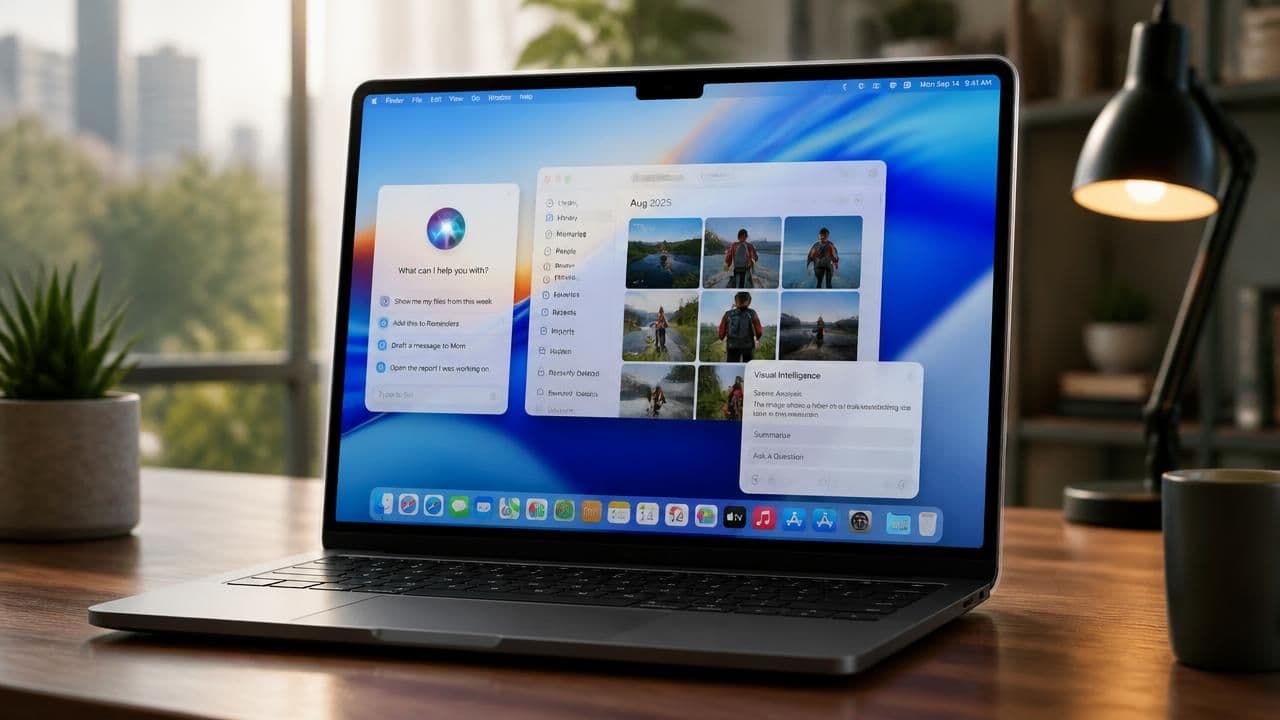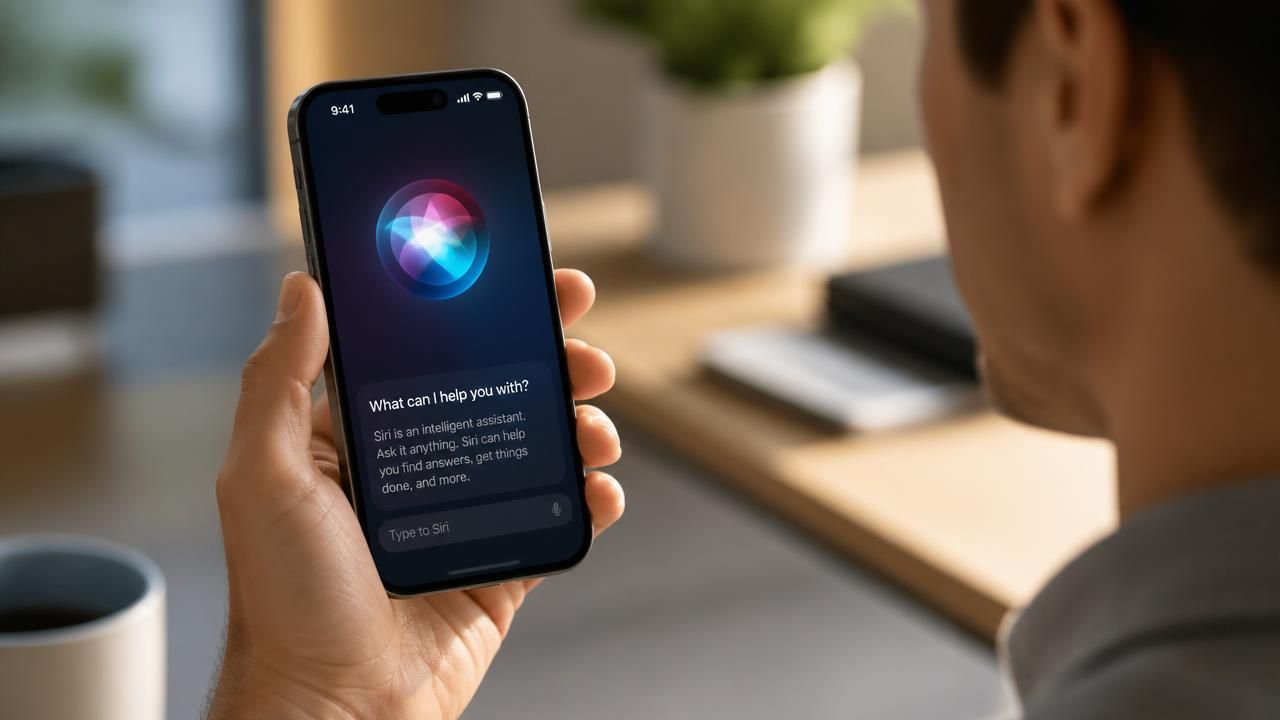
Apple has begun distributing iOS 27, the update that finally delivers the company's rebuilt, AI-powered Siri — an overhaul that has been promised, delayed, and teased for the better part of two years. The release arrives alongside watchOS 27, iPadOS 27, and visionOS 27, with macOS Golden Gate rounding out the software cycle that Apple first unveiled at WWDC 2026. Reports point to a September 14 general rollout, timed to land just ahead of the iPhone 18 Pro's arrival on shelves.
The headline is Siri AI, and the company is treating it as the centerpiece of the release rather than a side feature tucked into release notes. It is also, by Apple's own admission, not finished: at launch Siri AI ships as an English-only beta, with Apple saying support for French, Japanese, Korean, Portuguese, and Spanish is coming in October.
A long-delayed assistant finally ships
The new Siri is a conversational assistant rather than the command-and-response tool users have complained about for a decade. Coverage of the beta cycle — including iOS 27 Beta 7, public beta 3, and developer beta 8 — consistently described the assistant as feeling like a genuine AI product for the first time, capable of holding context across a multi-turn exchange and acting on what it understands about the user's device and data.
“Siri AI Is Becoming Apple's Everything Tool” — WIRED's framing of the update's strategic ambition, which positions the assistant as a connective layer across the operating system rather than a standalone app.
That positioning matters. Siri AI is woven into iOS, iPadOS, watchOS, and visionOS rather than bolted onto the side, letting Apple argue that the assistant is the interface for the platform. Some outlets have focused on the practical consequences of that shift. PCMag, for instance, urged readers to look past the visual overlay and pointed to a handful of features likely to change daily habits, while MSN reported that iOS 27 could eliminate the tedious process of manually typing gift card codes — a small, unglamorous example of the system reading and acting on what the camera sees.
What else is in iOS 27
Siri AI is not the only change. Apple is shipping a new Liquid Glass opacity slider that lets users choose between a clearer, more transparent interface and a frostier, more opaque one — a direct response to the mixed reception the design language received. Built-in apps are also getting refreshed icon designs, part of a broader visual cleanup across the system.
- Liquid Glass opacity slider: user-controlled transparency for the new design language.
- Redesigned app icons: subtle but system-wide tweaks to built-in apps.
- Camera-driven utilities: features that read real-world text and codes, including gift cards.
- Cross-platform parity: the same Siri AI engine arrives on iPhone, iPad, Apple Watch, and Vision Pro.
A staggered, possibly waitlisted rollout
Apple appears to be managing demand carefully. eWeek reported ahead of launch that the AI-powered Siri could arrive with a waitlist in iOS 27 — a mechanism Apple has used before to pace server-side capacity for generative features. The company has not detailed how broadly Siri AI will be enabled on day one, and the English-only beta framing suggests a phased activation rather than a switch flipped for every compatible device.
The other open question is hardware eligibility. Firstpost's coverage of the iPhone 18 Pro focused squarely on which existing iPhones qualify for the upgrade — a recurring pain point for users who own hardware that is technically recent but falls outside Apple Intelligence's requirements. Apple has not published a definitive compatibility list through the usual channels, leaving aggregators and forums to piece it together from beta behavior.
The beta trail leading to launch
The final stretch of the cycle was unusually well documented. BetaNews covered public beta 3, describing a rebuilt Siri and faster overall performance. ShiftDelete tracked developer beta 8. AppleInsider reported the arrival of the first release candidates for iOS 27 and macOS 27 as the release neared — traditionally the last checkpoint before general availability. Mashable and Geeky Gadgets spent weeks compiling “everything we know” explainers, the kind of sustained coverage that signals unusually high reader interest for a point release.
WWDC 2026 itself produced a wave of same-day coverage. TechRepublic counted Siri AI and watchOS 27 among the ten biggest announcements, Livemint led with the combination of iOS 27, macOS Golden Gate, and Siri AI, and MacRumors ran live keynote coverage throughout.
How the press is framing it
The framing splits along predictable lines. Consumer-facing outlets emphasize what users can do next week — installing the update, trying the assistant, understanding the overlay. Business and enterprise coverage fixates on the waitlist and the infrastructure question of whether Apple can serve AI to hundreds of millions of devices at once. Platform watchers, meanwhile, treat iOS 27 as an architectural statement: the moment Apple stops treating Siri as a feature and starts treating it as the operating system's connective tissue.
What unites the coverage is a sense that this release carries more weight than its version number suggests. Apple spent years being criticized for falling behind in generative AI while rivals shipped aggressively. iOS 27 is the company's answer, and its staged, language-limited, possibly waitlisted debut reflects a company that would rather ship an assistant that works in one language than one that fails in twenty.
Compatible devices can update now through Settings, with the full feature set expected to expand through the fall as additional languages and capabilities come online.