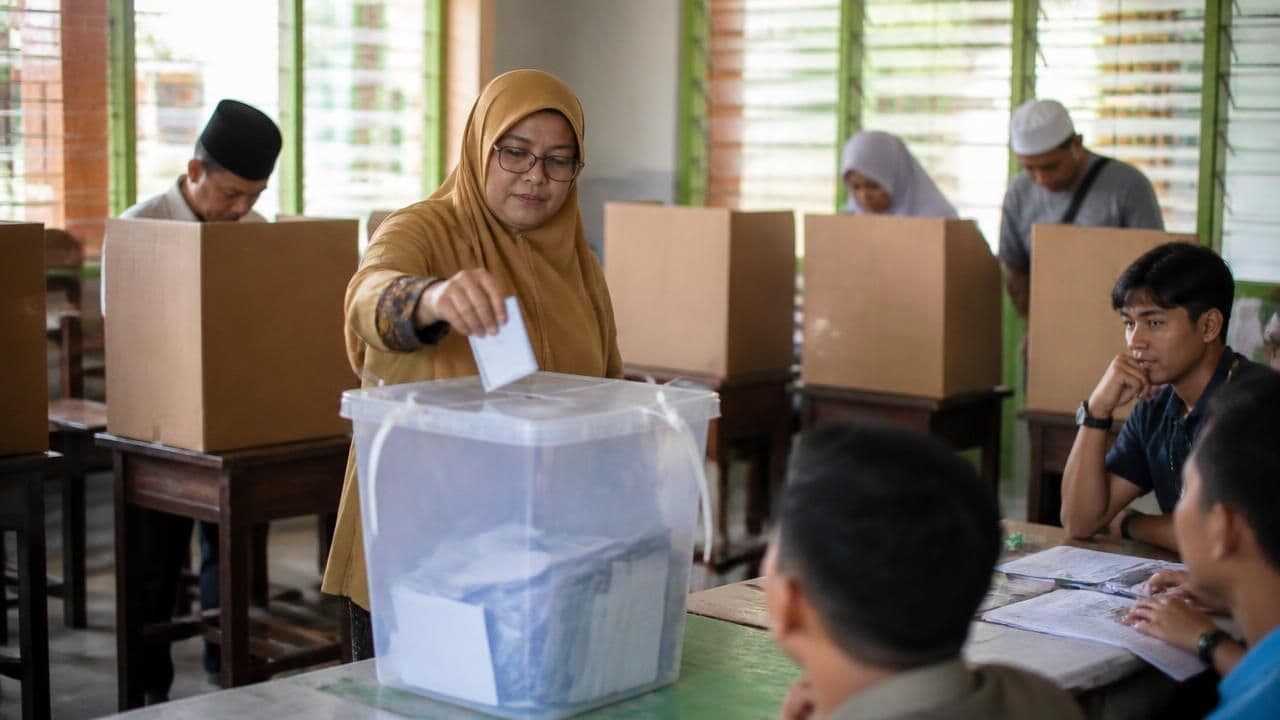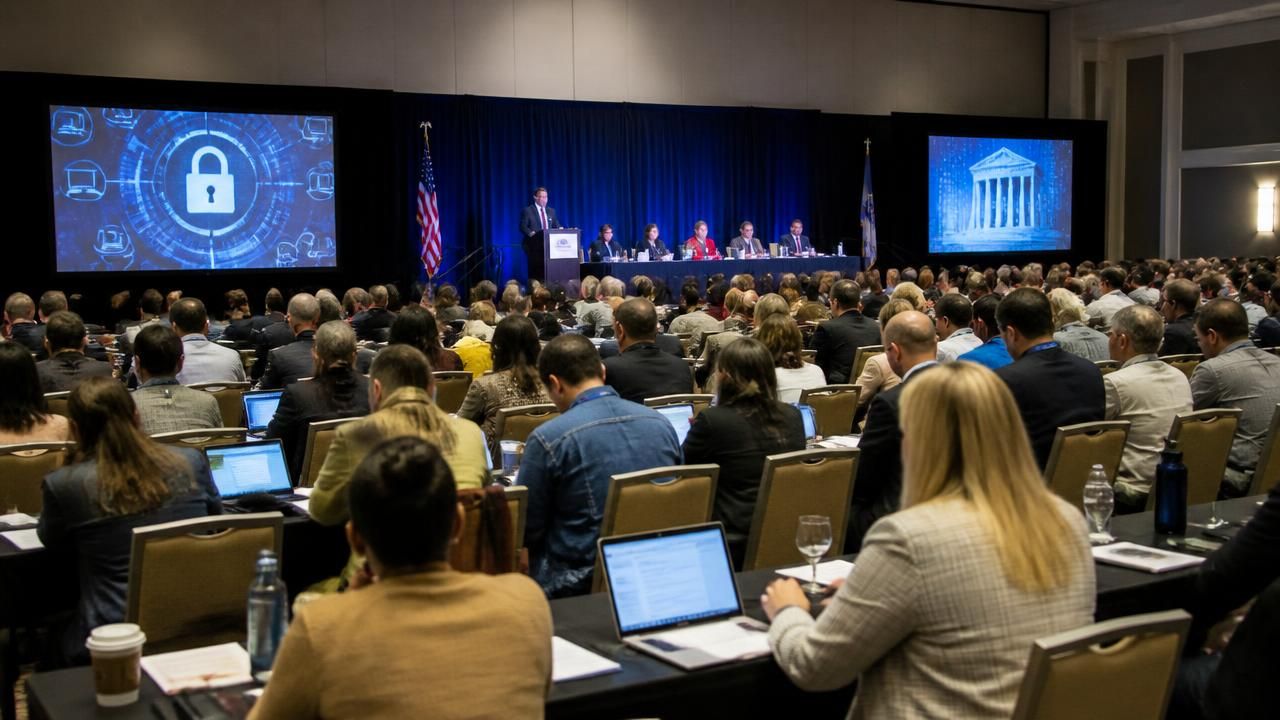
Hundreds of local election officials from around the country are meeting this week to confront a threat matrix that would have seemed implausible a decade ago: foreign disinformation campaigns, ransomware attacks on voter rolls, and — according to a growing chorus of administrators — the possibility of interference from the federal government itself.
The training sessions, reported by NPR Politics, bring together county clerks, secretaries of state and municipal election directors for tabletop exercises, security briefings and legal seminars. The stated goal is to harden the midterm elections against manipulation. The subtext, according to multiple outlets covering the gathering, is that the most unpredictable variable this cycle may not be a foreign adversary but Washington.
An Unusual Summit, An Unusual Threat
Election administration in the United States is deliberately decentralized — roughly 8,000 local jurisdictions run their own voting operations, a design intended to make nationwide tampering difficult. That same fragmentation, officials say, makes coordination against a top-down federal pressure campaign equally difficult.
Where previous cycles focused on hardening firewalls and countering Russian or Iranian propaganda, this year's agenda includes sessions on documenting chains of custody for ballots, preserving audit trails that could withstand political scrutiny, and knowing which federal requests an election office is legally obliged to honor — and which it is not.
Coverage of the gathering has framed the shift starkly. One Yahoo News headline warned that “Election Officials Gird For Unprecedented Federal Interference in the Midterms,” while NPR emphasized that officials are “training to defend the midterms from interference” broadly, with federal action explicitly listed among the threats.
Democrats Build a Defensive Playbook
Parallel to the administrators' preparations, congressional Democrats and their allies are assembling what amounts to a rapid-response apparatus. Reporting from MSN and KJZZ describes a strategy built around three pillars: panic buttons distributed to election workers facing harassment or intimidation, a standing network of pro bono attorneys ready to file emergency injunctions, and a communications operation designed to push back on fraud claims within hours rather than days.
The phrase “panic buttons” is not metaphorical. In several jurisdictions, election staff have been issued wearable alert devices and direct lines to local law enforcement following a cycle of threats that drove experienced administrators out of the profession. The legal component is similarly concrete: advocacy groups have recruited hundreds of volunteer lawyers to monitor polling places, observe canvassing boards and challenge what they view as unlawful attempts to overturn results.
“Will Trump interfere in the midterms? Democrats and their allies are preparing” — MSN
That headline captures the central political bet underpinning the entire effort: that the greatest risk to certifying results is not technical failure but political pressure applied after votes are cast.
The Mail Ballot Fault Line
A separate but related battlefront is the rules governing mail-in and absentee voting. Yahoo News reported that election officials themselves warn that shifting or inconsistently applied mail-in ballot rules could compromise the midterms, creating opportunities for legitimate ballots to be rejected on technicalities — and for rejected ballots to become the raw material for post-election disputes.
Mail voting has expanded dramatically since 2020, but the legal framework regulating it has not kept pace. Deadlines for receipt vary by state; signature-verification standards differ by county; and “curing” procedures, which let voters fix a defective envelope, exist in some places and not others. In a close race, those discrepancies can mean the difference between a certified result and weeks of litigation.
How the Story Is Being Framed
The same set of facts is being presented very differently across outlets. NPR's framing is institutional and process-oriented: professionals doing the unglamorous work of protecting infrastructure. Yahoo's headlines lean toward alarm, pairing officials' warnings with language of “unprecedented” federal interference. MSN's coverage is explicitly partisan in its cast, centering Democratic preparations and naming the former president as the anticipated source of disruption. KJZZ grounds the story in Congress, focusing on how lawmakers are staffing up for a fight they expect to arrive after Election Day.
Missing from most accounts is the perspective of the officials who would be on the receiving end of federal pressure — many of whom are registered Republicans and have publicly resisted the idea that they need protection from Washington.
What's at Stake
The deeper significance lies in what election administrators call “the legitimacy gap.” Technical security can be measured — audits passed, systems patched, paper trails verified. Public confidence cannot. If a substantial share of voters enters the post-election period believing the process was manipulated, no firewall or panic button will resolve the resulting crisis.
- Election officials want legal clarity on which federal demands they must obey.
- Democrats are funding lawyers, monitoring and emergency communications.
- Republicans in many states argue the real threat is unauthorized changes to voting rules.
- Voters face an information environment where the integrity of the count will be contested before it is even finished.
For now, the training continues. Officials describe the mood as less panic than grim preparation — an acknowledgment that the machinery of American democracy is being asked to withstand pressures it was never designed for, from outside the country and from within its own capital.