Ghana's cocoa regulator is proposing a roughly 6% increase in producer prices for the upcoming season, a move that risks widening the price gap over neighbouring Ivory Coast and fueling cross-border smuggling, according to reports. The proposal comes as West Africa's two largest cocoa producers struggle to coordinate pricing policies to stabilize the global market, while a separate steep cut in Côte d'Ivoire is already causing trade distortions toward Nigeria.
Ghana's price plan
Cocobod, Ghana's state-run cocoa body, has suggested raising the guaranteed price paid to farmers by about 6% for the 2025/26 crop year, as reported by Bloomberg Markets. The elevation would broaden the differential with Ivorian farm-gate prices, which were set significantly lower by authorities in Abidjan. A wider gap makes cocoa beans more attractive to smuggle from Ivory Coast into Ghana, where farmers would receive more money for the same crop. Ghanaian buyers have in recent years complained about cocoa crossing the border from Burkina Faso and Togo, but Ivorian smuggling has been the most persistent issue.
A decade of price swings and smuggling risks
The two neighbours produce around two-thirds of the world's cocoa and have historically used state-backed boards to set minimum prices for farmers. When prices diverge, informal cross-border channels quickly emerge. Farmers and exporters often quietly send their beans to the country offering the better payout. This erodes the export quality of the lower-priced country and reduces the capacity of its marketing board to control the supply chain.
In recent years, Ghana's cocoa sector has struggled with low yields, disease outbreaks and deforestation pressures. With sustained global price rallies, many hoped that domestic producer prices would catch up. But the proposed 6% hike is relatively moderate when set against global inflation. According to market analysts, the increase reflects a careful attempt to balance farmer incomes with the state's budget and pricing stability in buying districts.
Côte d'Ivoire's dramatic price cut
While Ghana is edging prices upward, Côte d'Ivoire has taken a radically different direction. A recent MSN report cited a 57% reduction in the Ivorian producer price — possibly reflecting a windfall adjustment after a season of historically high premiums. That cut has generated fears in Nigeria that Ivorian beans could be smuggled into Nigeria to claim whatever higher prices Nigerian buyers or cooperatives are paying. Nigeria, the region's third largest producer, is not part of the same price-setting cartel, leaving it a potential attraction for smuggled Ivorian crop.
The Ivorian cut also places Ivory Coast in an odd position. Ghana and Ivory Coast were earlier reported to be pursuing a 'common positioning' or pricing floor to discourage inter-state smuggling and ensure farmers are paid fairly. Yet unilateral moves — Ghana's 6% rise and Ivory Coast's 57% decrease — make that coordination increasingly difficult.
The unified pricing plan
According to another MSN report, Africa's two largest cocoa producers are tightening their grip on the global cocoa trade with a unified pricing plan to curb smuggling and stabilise supply. Industry officials in Accra and Abidjan have repeatedly stressed the importance of harmonizing their internal prices. A unified floor price would remove the main incentive for cross-border smuggling because farmers would see the same compensation for the same crop regardless of which side of the border they grow.
But implementing such a scheme is challenging. The fiscal positions of Ghana and Côte d'Ivoire differ, as do their currency regimes and local inflation rates. Ghana also has a more complex foreign exchange environment, which could affect the equivalent price in dollars or CFA francs. Agricultural economists point out that a common price may need to be set in a hard currency, such as the dollar or the euro, to be effective.
Political and industrial implications
Paying farmers more is a popular policy in both countries, especially with elections in the region. But raising the price in Ghana increases the risk that Ivorian beans will be bought by Ghanaian purchasers and re-exported, eroding the quality purity of Ghana's premium cocoa and damaging its reputation for traceability.
There are also costs. When the boards can't control the supply, they may fail to meet their forward sales contracts, and that can harm the country's credit lines in the international commodity markets. Cocobod has faced financing hurdles in the past, and this kind of leakage makes it harder to secure pre-export finance.
Reactions and the road ahead
Ghanaian farmer unions have said that increases are not enough to cover rising production costs. Meanwhile, Ivorian farmers have protested in the past when prices fell sharply, and the recent 57% cut could reignite unrest. In Nigeria, dealers worry about an influx of smuggled Ivorian beans disrupting local price stability and competition.
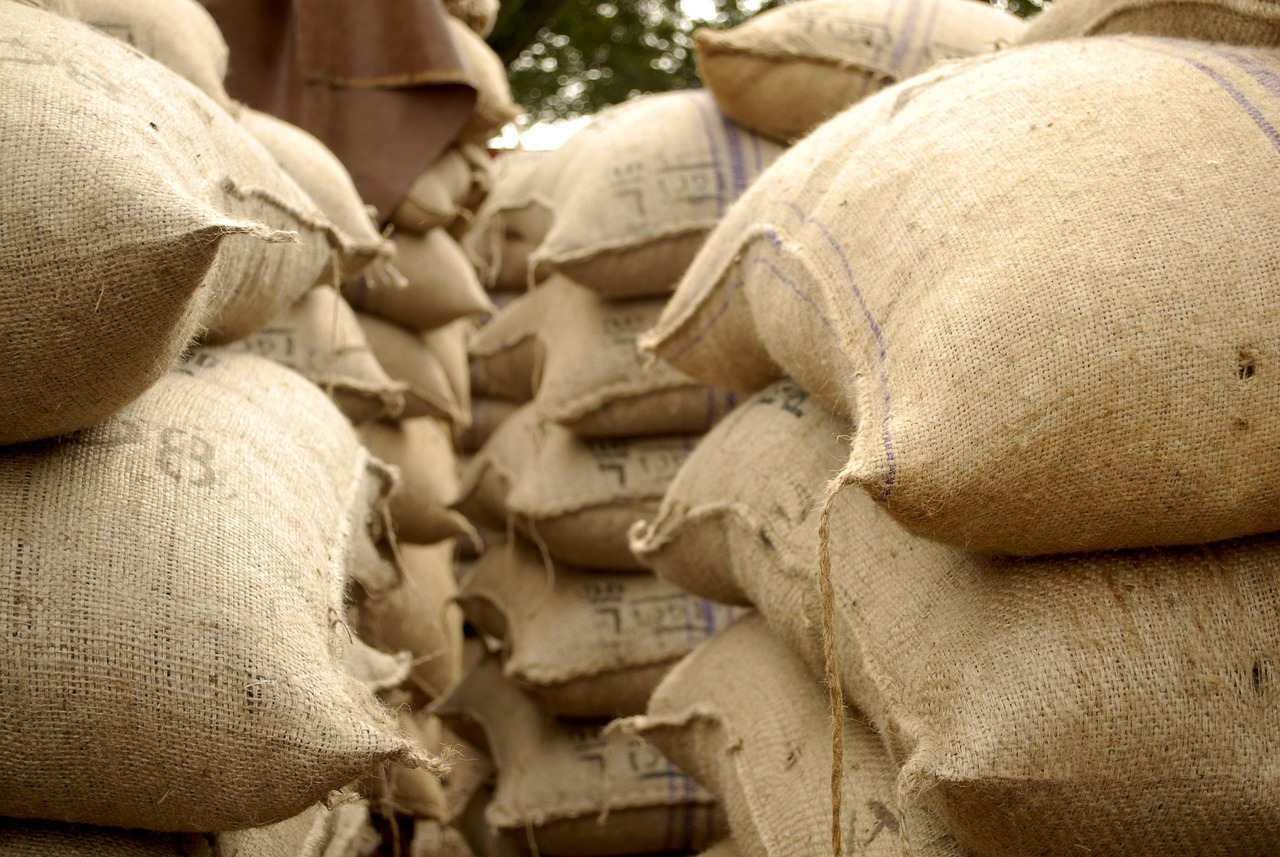
Analysts suggest that the contradictions between Ghana's incremental price hike and Côte d'Ivoire's drastic cut illustrate the difficulty of producing a seamless regional market. Without coordinated moves, arbitrage opportunities will persist for those ready to move sacks across the border. The two governments appear to be moving toward closer coordination, but their immediate decisions appear to be out of step, possibly pushing more beans onto the black market.
What to watch next
- Whether the 6% rise is approved by the Ghanaian government and what date the new season starts.
- Whether the Côte d'Ivoire cut is permanent or a temporary adjustment to align with global futures.
- Whether the unified cocoa pricing plan will be formally announced by Accra and Abidjan in the coming months.
- Potential increase in seizures of contraband cocoa along the Ghana–Ivory Coast and Nigeria–Ivory Coast borders.
For the global cocoa industry, the stability of supply will depend on West Africa's ability to agree on common pricing and enforcement mechanisms. Harsh penalties, better border controls, and trust between major producers will be essential to preserve the integrity of the world's most important cocoa-growing region.