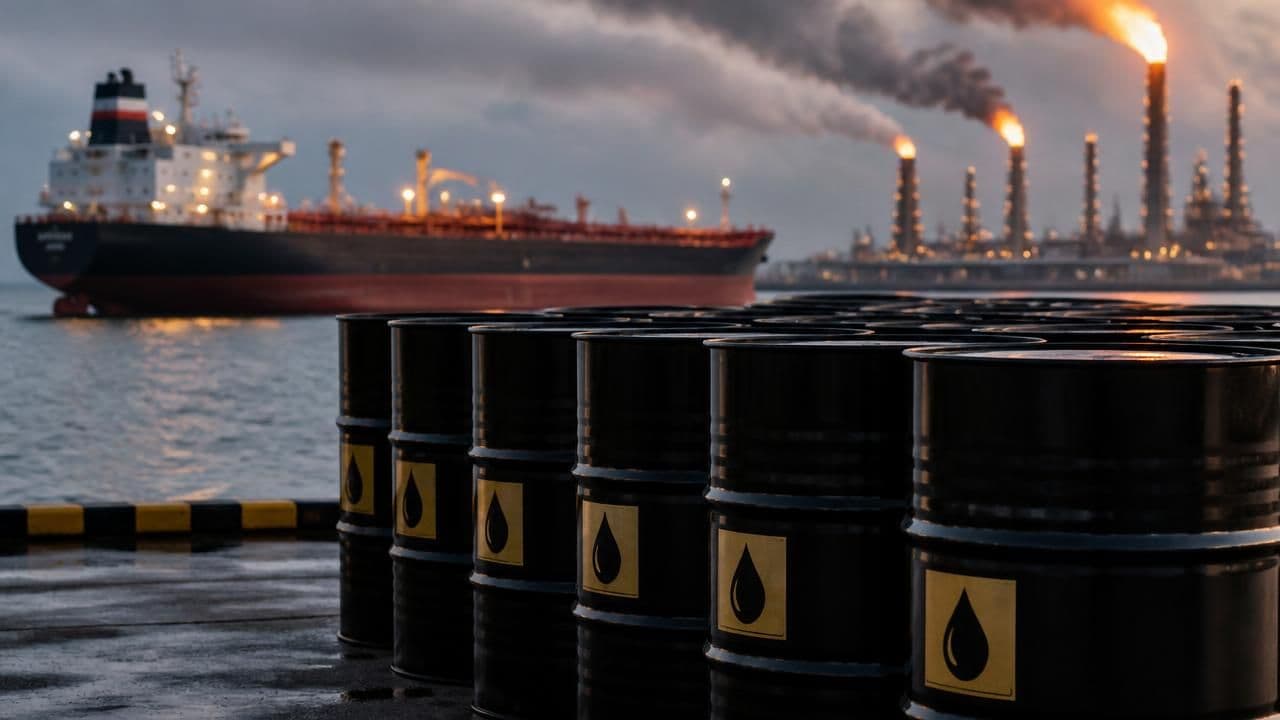
Brent crude oil breached the $100-a-barrel mark on Wednesday, September 9, 2026, for the first time since July, as the escalating months-long conflict between the United States and Iran triggered a series of tanker attacks in and around the Strait of Hormuz. The surge has reignited fears over global supply disruptions, with at least one major bank warning that prices could climb to $120.
A Barrel Over $100
Global benchmark Brent crude rose above $100 in early European trading, extending a rally that has been building for weeks. The last time prices were at this level was in July, before the current wave of hostilities pushed the conflict into a more dangerous phase. The uptick was driven by a combination of geopolitical tension and recovering demand, particularly from China, which has been increasing crude imports. The move has put energy markets firmly back in focus, with analysts noting that the psychological $100 threshold often triggers further momentum buying.
Tit-for-Tat Attacks on Tankers
The immediate catalyst for Wednesday's spike was a dramatic escalation in the so-called tanker war between Washington and Tehran. According to U.S. Central Command, American military forces destroyed five Iranian tankers carrying crude oil overnight in response to an attempted attack on a U.S. Navy warship using ballistic missiles. CENTCOM described the strikes as defensive and necessary to protect American assets in the region. Iran quickly retaliated, firing missiles at targets in the Gulf, though initial reports suggested limited damage. In a separate incident, Houthi forces attacked Saudi energy facilities, adding another layer of complexity to the conflict and further tightening supply concerns.
This is the biggest wave of attacks on shipping since the conflict began in February, and it is now directly threatening the flow of oil through the Strait of Hormuz.
The clashes mark a significant intensification of a war that started in February but has recently shifted its focus from land-based strikes to maritime infrastructure. The Strait of Hormuz, a narrow waterway between the Gulf of Oman and the Persian Gulf, is a critical chokepoint for about 20% of global oil consumption. Any sustained disruption here has outsized effects on global prices.
Market Reaction and Expert Views
Markets across Europe and Asia reacted swiftly to the news. Equity traders watched nervously as oil-sensitive sectors, including airlines and logistics, saw share prices fall. Analysts at Goldman Sachs warned that prices could rally further to $120 per barrel if the conflict continues to escalate and disrupt supply chains. "The risk premium in the market is expanding as supply is caught in the crossfire," a Goldman note said. "A further upward move is possible if we see more attacks on energy infrastructure or tankers."
Other experts echoed this view, pointing out that the market had been relatively complacent about the conflict in recent months. The recovery in Chinese oil buying, which had been a key support for prices, is now being amplified by a genuine supply risk. "This is no longer just a demand story," said a commodities strategist at one European bank. "The supply side is now facing its toughest test since the 1980s tanker war."
Strait of Hormuz in the Crosshairs
The strategic importance of the Strait of Hormuz cannot be overstated. Roughly 21 million barrels of oil pass through the strait daily, equal to about a fifth of global consumption. While Iran has previously threatened to close the strait, it has stopped short of a full blockade. However, the recent attacks on tankers and Saudi facilities suggest a coordinated effort to disrupt energy exports, which could have severe consequences for the global economy.
Historical context is important here. During the Iran-Iraq War in the 1980s, the so-called Tanker War saw both sides attack oil shipping in the Gulf, leading to international naval escorts and a sharp rise in oil prices. Today, the situation mirrors that era but with more sophisticated missiles and drones. The U.S. Navy has already moved additional assets to the region, and there is growing concern that the conflict could draw in other Gulf states.
Framing the Story
News outlets have framed the story differently, reflecting the complexity of the situation. Bloomberg Markets highlighted the combination of geopolitics and Chinese demand recovery, noting that oil's rise comes as the conflict shows "little sign of abating." CBS News and NBC News focused on the retaliatory dynamics, while Forbes described the price surge as hitting "multi-week highs on fresh U.S.-Iran tensions." NDTV Profit, in its coverage, explicitly linked the Houthi attack on Saudi energy facilities to the price increase, underscoring the regional nature of the conflict. Meanwhile, outlets like The New York Times emphasized the turmoil in the Middle East as the primary driver, and the Tokenist offered a more niche angle, suggesting that Bitcoin could enter the picture as $120 oil threatens to redraw the geopolitical map and undermine fiat currencies.
Implications for the Global Economy
The economic stakes are high. Sustained oil prices above $100 could reignite inflation, which had been moderating in many developed economies. Central banks, including the U.S. Federal Reserve and the European Central Bank, may be forced to delay interest rate cuts, potentially slowing economic growth. For emerging markets, the squeeze is even tougher, as they rely heavily on energy imports and face weakening currencies.
Consumers are also feeling the pinch. Gasoline prices are rising at the pump, and the cost of goods transported by sea or road could climb. The aviation industry is particularly vulnerable, and some airlines have already begun adjusting fares to account for higher fuel costs. Businesses across sectors are now bracing for a prolonged period of elevated energy prices.
Where to Now?
Diplomatic efforts, if any, remain stalled. Iran's foreign minister has warned of "escalatory consequences" of U.S. attacks for the region, suggesting that further reprisals are likely. The U.S. has shown no signs of backing down, and Saudi Arabia, a key U.S. ally, is now directly affected by Houthi missile strikes. The coming days will be critical in determining whether this is a temporary spike or the beginning of a more sustained upward trend.
For now, traders are bracing for volatility. Options markets show heavy demand for upside protection, and volatility indexes in the energy space have skyrocketed. As the world watches the tit-for-tat strikes, one thing is clear: the era of cheap, stable oil has come to an abrupt end, and the geopolitical map is being redrawn with tankers as the primary instruments of war.
In a broader sense, the conflict is also a reminder of how fragile global supply chains can be when major producers and chokepoints become embroiled in war. Whether it's $100 or $120, the price of oil is once again a barometer of global instability.