Australia announced on Tuesday that social media platforms would be required to send notifications to both new and existing users, offering them the choice to opt out of algorithmic feeds and instead use a simple, chronological feed. The measure, set to become law under a planned legislative package, marks another aggressive step by Canberra to regulate the digital sector and give citizens greater control over their online experiences.
The government statement said social media companies would need to present a clear, easily accessible option to users, allowing them to toggle between the default algorithmically selected content and a feed based purely on posts from accounts they follow, ordered by time. The move is designed to address growing public concern about the influence of algorithms on what Australians see and read online, from viral disinformation to content that can trigger anxiety and depression.
Who is affected and how will it work?
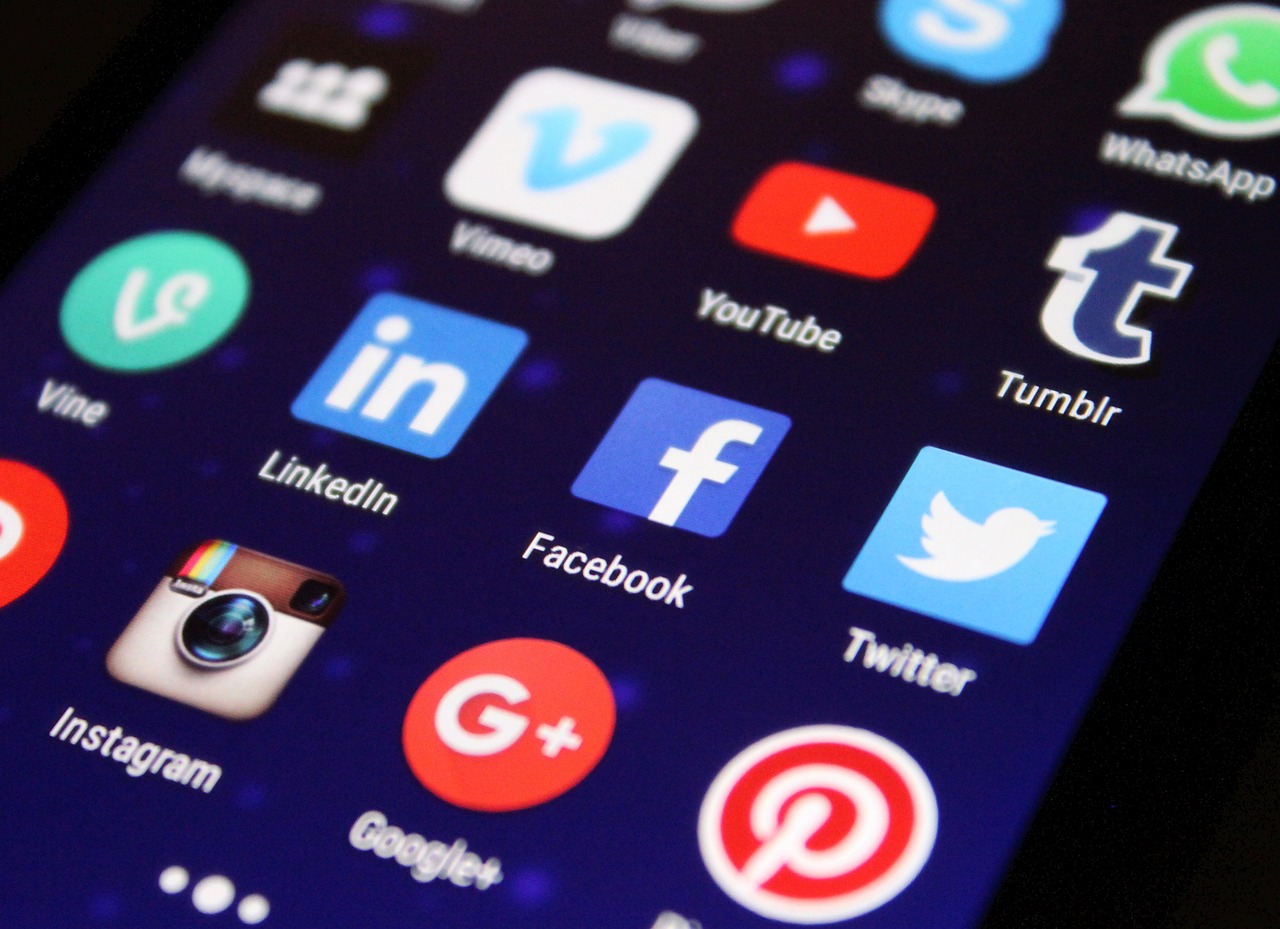
The requirement would apply to major platforms such as Meta's Facebook and Instagram, TikTok, X (formerly Twitter), YouTube, and Snapchat, among others. According to the government, these platforms must send an explicit notification to users upon sign-up and also alert existing users, prompting them to make a choice about their default feed. The notification should explain, in plain language, the difference between an algorithmic feed and a chronological one, and allow the user to make a selection with minimal friction.
Once a user selects a chronological feed, the platform must respect that preference and not automatically revert to algorithmic ordering. The government said it would enforce the rules through the Australian Communications and Media Authority (ACMA), which would have the power to issue fines for non-compliance.
Why is Australia acting now?
The announcement is part of a broader regulatory push by the Australian government, which has already made headlines for its pioneering News Media Bargaining Code, forcing tech giants to pay for news content, and for recent moves to ban social media access for children under 16. Communications Minister Michelle Rowland has framed the latest initiative as a matter of consumer rights and public safety.
“We are giving Australians real choice about how they engage with social media. Algorithms have come to shape much of our public discourse, and it is time that users can decide what works for them,” the government statement said.
The move also reflects a growing global consensus that algorithmic curation can amplify harmful content, create echo chambers, and distort public debate. A 2021 report by Australia's eSafety Commissioner found that algorithmic amplification was a key factor in the spread of online hate and toxic content. More recently, researchers have linked algorithmically driven feeds to increased levels of adolescent anxiety and depression, prompting calls for greater platform accountability.
Historical context and international precedent
Australia has often been a trailblazer in digital regulation. The 2021 News Media Bargaining Code forced Google and Meta to strike payment deals with Australian news publishers, setting a precedent that was later followed by Canada in its Online News Act. The new proposal on algorithmic choice echoes parts of the European Union's Digital Services Act, which encourages platforms to offer non-profiling-based recommender systems. However, Australia would be among the first to impose a mandatory notification and opt-in mechanism on all platforms simultaneously.
In presenting the policy, the government recalled that social media in its early years was largely chronological. It was only in the last decade that platforms shifted to engagement-based sorting to increase time spent on site. Critics of the change argue that algorithmic feeds have become essential to making social media usable, arguing that a purely chronological feed would bury important posts under a flood of content, especially for users who follow many accounts. They also point out that many platforms already allow users to switch to chronological mode—such as Twitter's “Latest Tweets” setting—but that most users never find it because it is hidden in menus.
The Australian government hopes that by making the option a prominent notification, more users will become aware they can take control of their feeds. “It is not about banning algorithms, but about ensuring people can choose the algorithmically curated version or a simpler feed that lets them decide,” the statement clarified.
Expert perspectives and industry pushback
Digital rights groups have welcomed the announcement. Digital Rights Watch Australia said in a statement: “This is a significant step for user autonomy. Algorithms are designed to keep us hooked, not to serve our interests. Giving users a choice over their default feed is a meaningful accountability measure.” On the other hand, industry bodies argue that such rules could undermine user experience and create compliance burdens. The Digital Industry Group Inc. Australia (DIGI), which represents major platforms, said it would consult with the government, but noted that “any changes should be practical and avoid confusion for users.”
Dr. Sarah Chen, a technology policy researcher at the University of Melbourne, called the move “a clever way to impose transparency on a system that has been opaque for too long.” In an interview, she said: “Most users are unaware of how heavily algorithms shape what they see. Forcing a notification will not only boost awareness but also create an entrée for broader education about platform design. It may not fully solve the deeper issues of misinformation and polarization, but it is an important piece of the puzzle.”
Some critics, however, worry that a chronological feed is not necessarily safer. “The idea that chronological equals neutral is flawed,” warned Dr. James O'Neil, a sociologist studying online radicalization. “Users may follow several accounts that already espouse extreme views. A chronological feed can become a firehose of content that reinforces those views. Plus, engagement-based algorithms can be gamed by malicious actors, but so can reverse-chronological streams through spam and amplification.” He argued that the real solution lies in media literacy and content moderation, not just feed design.
What happens next?
The government plans to introduce the legislation to Parliament in the coming months. If passed, platforms would be given a transition period, likely six to twelve months, to comply. The notification requirement would apply to all users in Australia, regardless of age, but is expected to complement the stricter under-16 ban that is still being finalized.
For Australian users, the immediate effect may be subtle. Some may receive a notification asking them to “choose your feed experience” and select between “Home (algorithmic)” and “Latest (chronological).” Others may see a banner that can be dismissed, but the government has insisted that the choice must be an upfront and informed one, not a buried setting.
Broader implications
The Australian initiative adds to a global trend of governments seeking to rebalance the relationship between technology companies and citizens. From the EU's Digital Markets Act to new proposals in the United Kingdom around online safety, governments are no longer willing to leave critical decisions about public discourse to the opaque whims of artificial intelligence.
Australia, with its relatively small market but outsized regulatory ambition, is positioning itself as a testbed for these interventions. Whether the feed-choice mandate will be emulated by other nations depends on how it is implemented and whether it achieves its goals. But by putting the issue front and center, Canberra has ignited a conversation not just about what we see on social media, but about who gets to decide.
The next few months will be critical as the legislation moves through Parliament. Platform lobbyists will likely push for carve-outs, while civil society will urge the government to stay the course. For now, Australian users stand to gain a new kind of power over their social media experience—the power of meaningful choice.