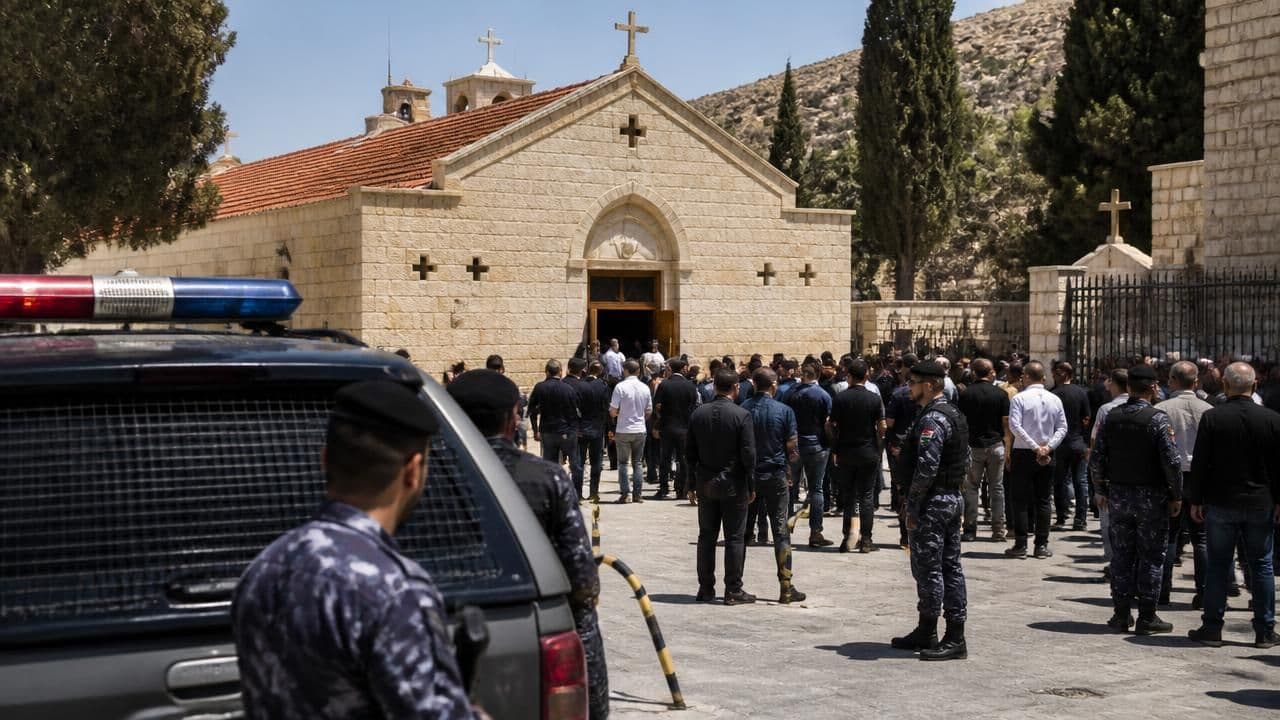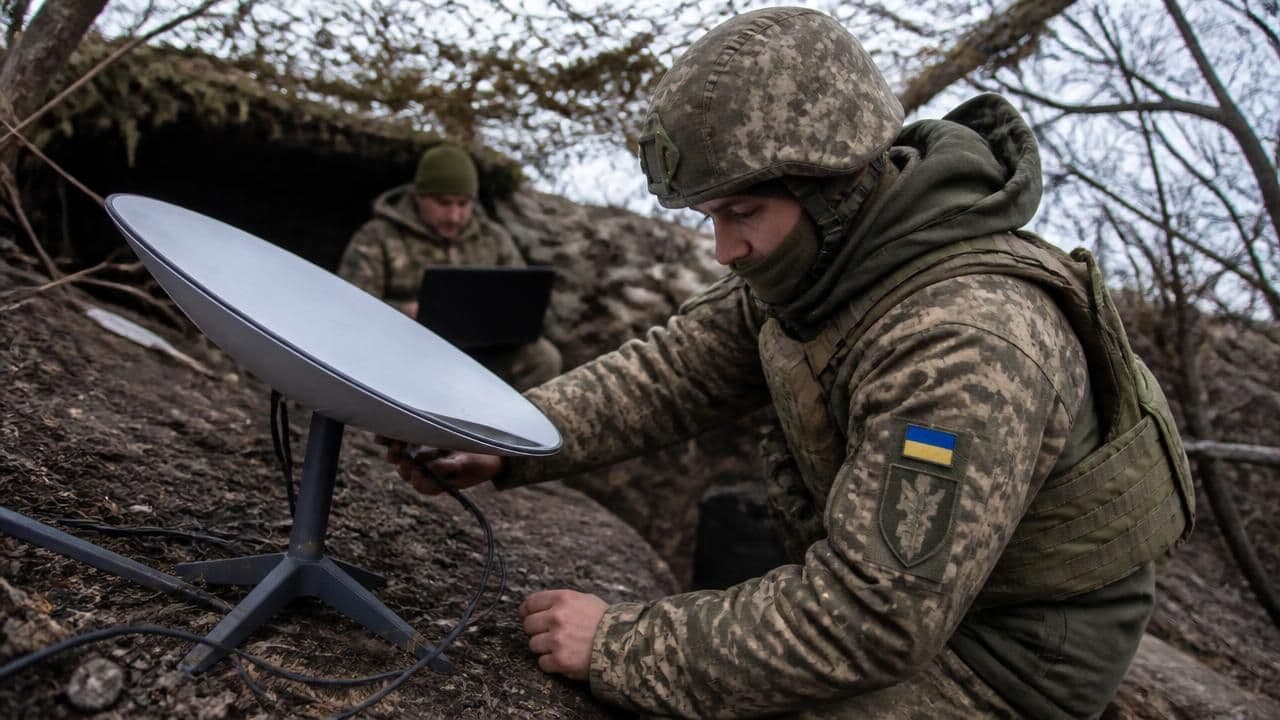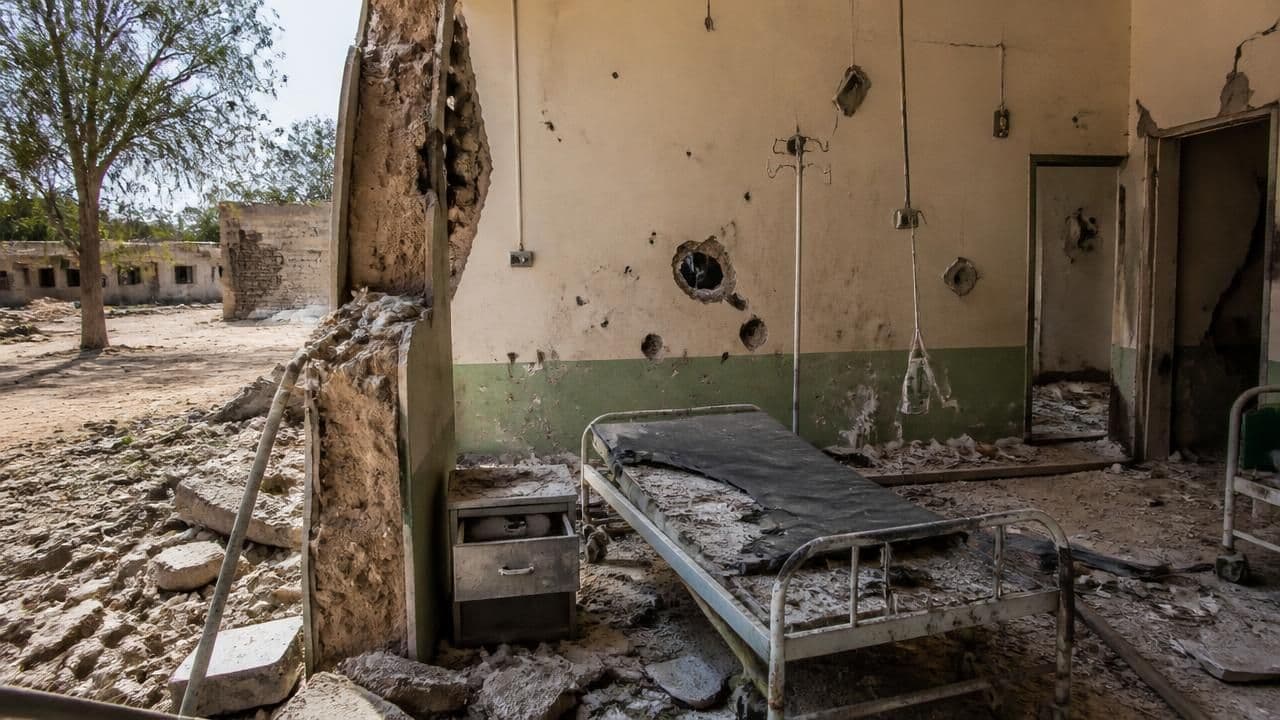
Russia launched a fresh assault on Kyiv overnight, killing at least two people and wounding ten, according to Ukraine’s Interior Ministry — with later reports raising the death toll to nine and injuries to 27. The attack marks the end of a three-day pause in strikes against the Ukrainian capital that President Vladimir Putin had ordered. Ukrainian President Volodymyr Zelenskyy described the incident as a “complex attack,” and noted it came hot on the heels of a visit by U.S. peace talks envoys.
“At least two people were killed and 10 others injured in another Russian attack on Kyiv overnight,” the Interior Ministry reported.
Search-and-rescue operations continued well after the initial explosions, likely explaining the rising casualty figures. An official in Kyiv said, “We are working around the clock to help the injured and clear the rubble,” though he asked not to be identified. The overnight barrage shattered a brief lull that had allowed many residents to recover and some displaced people to return.
Diplomacy under strain
The attack lands as Washington intensifies its push for negotiations. Senior American officials had recently shuttled between Kyiv and Moscow, with sources suggesting progress on a limited ceasefire. Zelenskyy called the assault “a deliberate message to all those trying to speak to [Russia] about peace.” The phrase signals deepening frustration in Ukraine over what it sees as Russian intransigence. Other Ukrainian officials framed the violence as proof that Russia is not interested in credible diplomacy. In contrast, Russian military correspondents portrayed the attacks as precision strikes targeting military infrastructure, a claim not independently confirmed.
Meanwhile, inside Russia
While Kyiv dealt with the aftermath, a series of incidents on Russian soil added to the sense of turbulence. Four people were arrested in Moscow after the spire of a prominent building was painted in the colors of the Ukrainian flag. Videos circulating online showed the paint job, likely intended as an act of defiance against the war. Observers note that such symbolic protests have multiplied since the invasion began, despite strict laws against “discrediting the armed forces.”
Further east, multiple explosions tore through a Russian coal mine, killing at least eleven miners. Emergency officials said a methane blast was the likely initial cause, but the investigation is ongoing. The regional government has not yet commented on whether foul play is suspected.
More ominously, a suspected bomb derailed a passenger train traveling between Moscow and St. Petersburg, leaving at least 25 dead and many injured. Counter-terrorism units are treating the incident as an attack. If confirmed, it would be the deadliest sabotage on Russia’s rail network in years, raising questions about domestic security and the potential for Ukrainian operations inside Russia.
What connects the dots?
At first glance, these events appear unrelated. A paint-stained spire is minor compared to a mine explosion or a train derailment. Yet their coincidence on the same day, during an active war, captures how porous the line between wartime front and homeland has become. Analysts caution against jumping to conclusions. “It is too early to say whether these are coordinated,” said a conflict analyst from the Atlantic Council. “But Russian authorities are clearly worried about sabotage and internal unrest, as evidenced by increased security around infrastructure.” The suspect in the train bombing, if found, could be a disgruntled citizen, a foreign agent, or an act of terror with no connection to Ukraine. However, the timing will inevitably feed speculation in both Kyiv and Moscow. Ukrainian officials have not claimed responsibility for any internal incidents in Russia, consistent with their policy of ambiguity.
Media framing and divergent narratives
The coverage of the day’s events varies sharply by outlet. Bloomberg Markets led with the Ukrainian Interior Ministry’s tally—two dead, ten injured—and framed the attack as breaking a three-day pause ordered by Putin. MSN’s headlines highlighted Zelenskyy’s description of a “complex” attack and tied it to the US peace talks visit, suggesting a diplomatic setback. Wikinews, meanwhile, devoted its coverage to separate reports: the four arrested in Moscow, the eleven dead in the coal mine, and the 25 killed in the rail incident. That editorial choice allows readers in the West to glimpse the fraying security situation inside Russia, a topic often downplayed on state television.
Together, these reports sketch a single, 24-hour period in which violence on both sides ramps up. For citizens in Kyiv, the air raid sirens have returned; for residents of Moscow, the specter of sabotage now blurs with routine travel. The world watches as war in Ukraine enters a new, volatile phase—one where front lines extend to cities and infrastructure far beyond the battlefield.