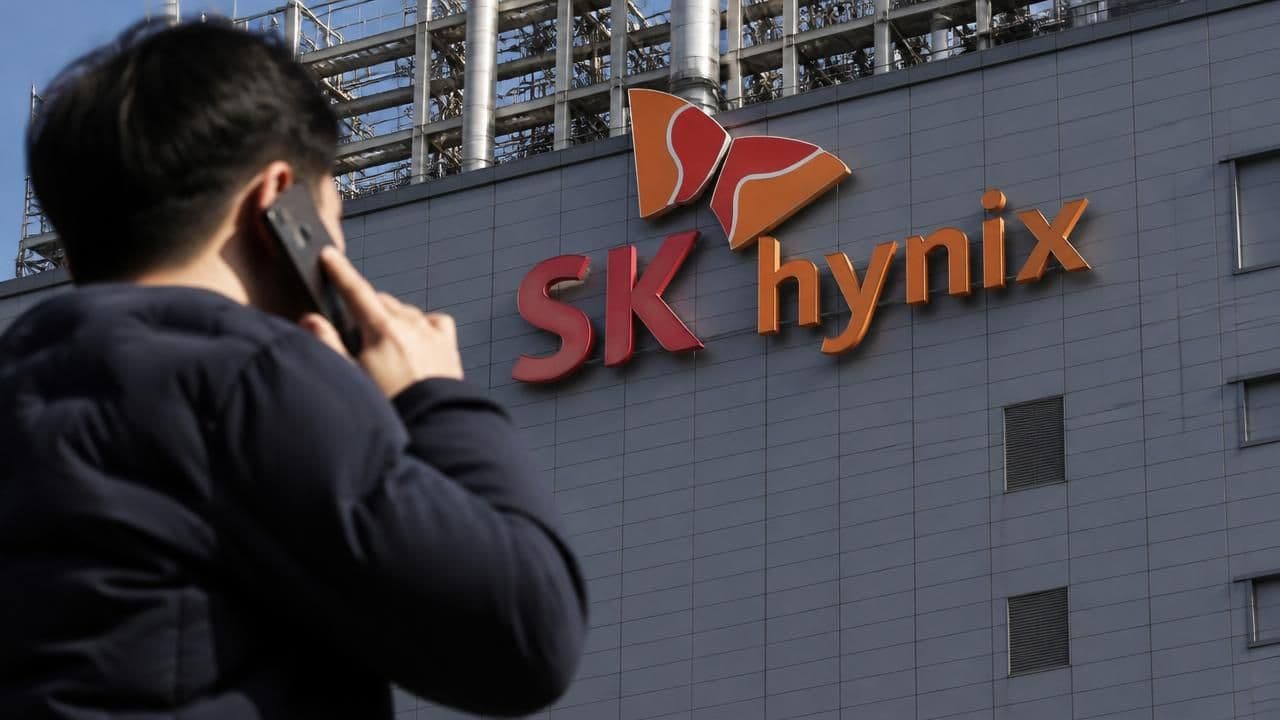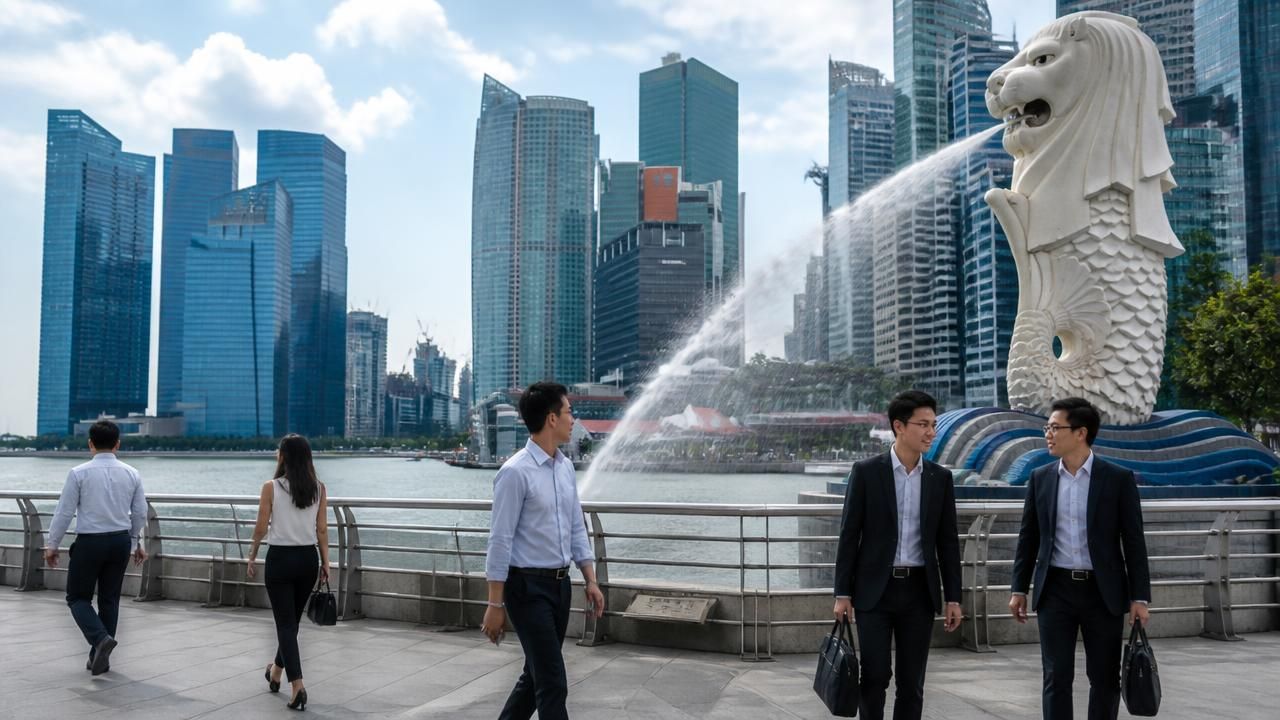
The contest for Asia's financial capital is heating up as Hong Kong and Singapore roll out a wave of incentives to bring in the world's fund managers. Singapore is planning tax breaks for fund managers that rival Hong Kong's, and is overhauling visa rules to make it easier for senior executives to relocate. Hong Kong, meanwhile, has launched its "Crypto LEAP" framework to court digital-asset innovators. The two cities are also locked in a subtler battle for talent, one that hinges on international schools, the cost of living, and the appeal of a night out.
Singapore moves to close the gap
According to Bloomberg, Singapore is planning fund manager tax breaks that would put it on a par with — or possibly ahead of — Hong Kong. The move is part of a broader reform of the city-state's financial regime, which msn.com says includes an overhaul of visa rules designed to attract top global fund managers. The Asset calls it an effort to "sharpen Singapore's asset management edge."
The reforms are timely, analysts tell msn.com, with competition for fund managers between the two financial centers heating up. Singapore has long been seen as the more conservative hub, but recent policy shifts suggest it wants to challenge Hong Kong's dominance in asset management.
"Hong Kong and Singapore can work to expand the pie. The competition is not zero-sum." — a diplomat familiar with both financial centers
Hong Kong fights back with blockchain
Hong Kong is not waiting for the policy race to be decided. The city has unveiled a Crypto LEAP framework, which Forbes says aims to bolster its financial leadership by attracting blockchain and virtual asset companies. The framework offers regulatory clarity and a pathway for compliant digital-asset exchanges, attempting to merge traditional finance with innovation.
But Hong Kong's appeal is not only futuristic. Bloomberg's Venus Feng points out that the competition for talent includes practical factors like schooling and the cost of a night out. With international-school fees among the world's highest, both cities are using tax and visa policies to compensate for the high cost of living.
Two hubs, one asset market
Bank Julius Baer recently described Hong Kong and Singapore as Asia's twin hubs for family offices. Despite their rivalry, they serve as complementary centers for family wealth: Hong Kong offers proximity to mainland China and deep capital markets, while Singapore offers a stable legal environment and low-tax neutrality. Many family offices choose both.
This complementarity is why some observers argue the contest is not zero-sum. As one envoy told press during a financial forum, "Hong Kong and Singapore can work to expand the pie, competition not zero-sum." If Asia's overall wealth grows, both hubs stand to benefit from an expanding pool of assets.
Key policy measures at a glance
- Singapore: Fund manager tax breaks, visa overhaul for finance professionals.
- Hong Kong: Crypto LEAP framework, a new regulatory sandbox for digital assets.
- Family Offices: Both cities are competing to host family office hubs, with Julius Baer noting "twin hubs" status.
- Talent: Competition includes soft factors such as schooling, nightlife, and lifestyle costs.
Property markets take it in stride
Despite the potentially major implications of these tax breaks, property markets have yet to react. An msn.com report titled "Hong Kong and Singapore property shrug off fund tax breaks" observes that neither city saw an immediate impact on real estate from the policy announcements. That may be because tax changes are only one element in investment decisions, and property investors are waiting to see whether the measures actually attract significant numbers of firms and workers.
A race to benefit global finance
Both hubs are under pressure to maintain their global standing amid growing competition from mainland China, Dubai, and other financial centers. Singapore's tax and visa reforms are a clear attempt to outmaneuver Hong Kong on innovation and livability. Hong Kong's crypto framework is a bet that the future of finance lies in digital assets.
Whether the two cities ultimately grow together or at each other's expense will depend on how much the overall pie of Asian wealth expands. One thing is certain: the race for talent and capital is making both Hong Kong and Singapore more competitive, more attractive, and more responsive to the people who move money around the world. As one analyst noted, the reforms are "timely" — and the time for both cities to act is now.