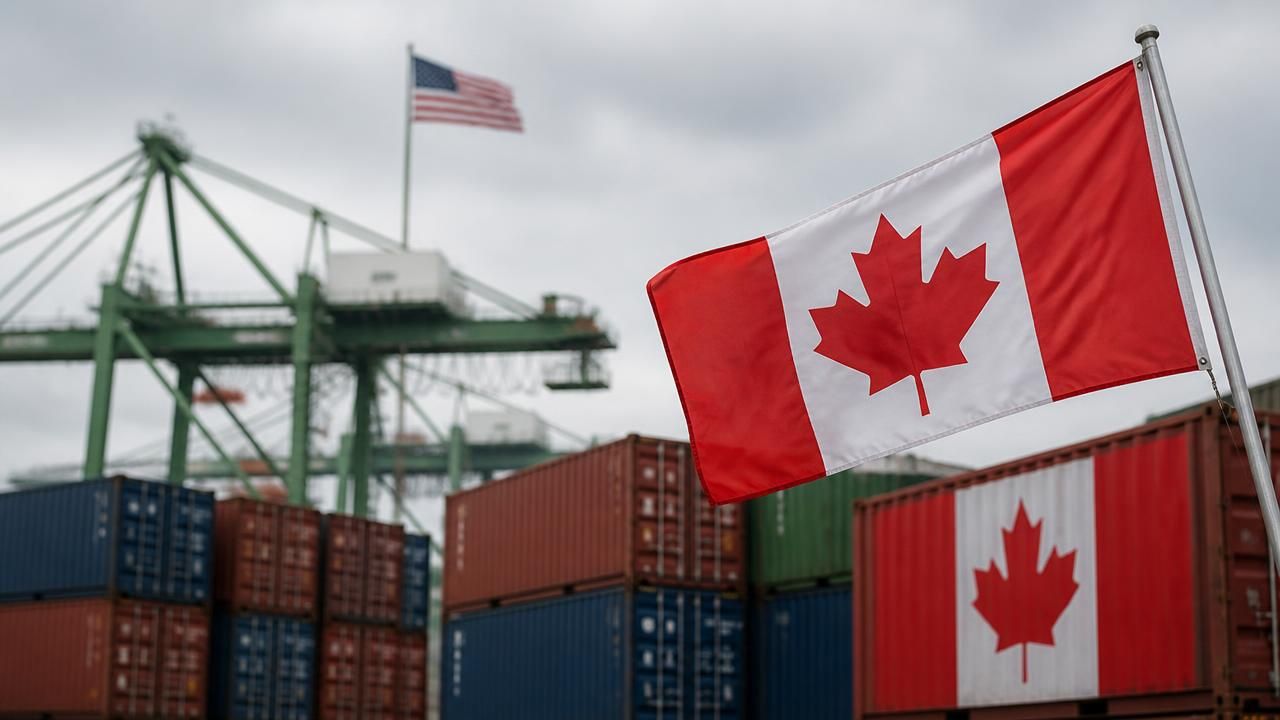
The long-simmering trade dispute between the United States and Canada erupted into a full-blown tariff war on Monday, as Canada imposed retaliatory duties of up to 50 percent on hundreds of U.S. products. The move came just hours after Washington slapped 50 percent tariffs on $20 billion worth of Canadian goods, marking a dramatic breakdown in negotiations between the two neighbors.
Canadian Prime Minister Mark Carney announced the countermeasures, which target a broad range of American exports including cheese, honey, aluminum foil, and other consumer and industrial goods. The tariffs, ranging from 15 to 50 percent, are designed to match the scale of U.S. duties and deliver a 'dollar-for-dollar' response, according to officials in Ottawa.
A Rapid Escalation
The immediate trigger was the collapse of trade talks that had been underway for weeks. U.S. President Donald Trump accused Canada of 'ripping off' the United States and threatened additional penalties, including a ban on sales of Bombardier jets in the American market. Trump also vowed to hike tariffs on Canadian automobiles to 50 percent, doubling the current rate, though no effective date has been confirmed.
According to multiple reports, the U.S. tariffs took effect first, prompting Canada to retaliate. Bloomberg Markets noted that Prime Minister Carney is betting that a firm stance will strengthen Ottawa's negotiating position. However, the Canadian leader also left the door open for dialogue. 'We remain open to talks,' Carney said, according to Forbes, even as he described the situation as a 'bad deal' for both countries.
Products in the Crosshairs
The Canadian tariff list includes hundreds of items, with duties varying by product. Dairy products, particularly cheese, face the highest 50 percent tariffs, while honey and aluminum foil are subject to 25 percent levies. Other goods, including furniture, plastics, and processed foods, face duties of 15 percent. In total, the measures apply to approximately $20 billion in U.S. imports, matching the value of the American tariffs.
Industry analysts say the tariffs will raise costs for consumers and disrupt supply chains that have been integrated for decades. The U.S. Chamber of Commerce criticized the escalation, warning that it could harm businesses on both sides of the border. Meanwhile, Canadian officials argue that targeted retaliation is necessary to defend national interests.
Political and Economic Context
The dispute marks a new low in U.S.-Canada relations, which have been strained since Trump first imposed tariffs on Canadian steel and aluminum in 2025. Those tariffs were challenged by Canada at the World Trade Organization and triggered previous rounds of retaliation. Economist Maria Bexley of the C.D. Howe Institute noted, 'This is not just about trade deficits; it is about geopolitical signaling. Carney is positioning Canada as a resilient partner that will not be bullied.'
The United States maintains that its tariffs are necessary to protect domestic industries and reduce trade imbalances. In a statement, the White House said tariffs on Canadian goods would remain in place until Canada agrees to new terms on market access and border security. Trump also threatened to impose 50 percent tariffs on Canadian cars and steel beginning in January, a move that would intensify pressure on Ontario's manufacturing sector.
Impact on Key Sectors
The auto industry is particularly vulnerable. Canadian-assembled vehicles exported to the U.S. already face a 25 percent tariff under the USMCA successor agreement, but a hike to 50 percent would cripple production, according to the Canadian Vehicle Manufacturers' Association. Bombardier, the aerospace giant, faces the threat of a U.S. sales ban, which could jeopardize thousands of jobs in Quebec.
Agriculture is another flashpoint. U.S. dairy farmers rely heavily on Canadian exports, and the 50 percent tariff on cheese could lead to surplus inventories and falling prices. 'This is a lose-lose situation,' said dairy economist Sarah Jensen. 'Both countries are going to feel pain at the grocery store.'
Global Repercussions
The tariff war between the world's two largest trading partners has drawn concern from global markets. The Canadian dollar dipped sharply against the U.S. dollar, and stock indices on both sides of the border fell. Analysts warn that prolonged uncertainty could dampen investment and slow economic growth across North America.
European and Asian allies are watching closely, as the dispute could set a precedent for how Washington handles trade tensions with other allies. The European Union has already expressed solidarity with Canada, calling for a negotiated settlement.
What's Next?
Canada's retaliatory tariffs officially take effect on September 8, giving both sides a short window to reach a compromise. Carney emphasized that Canada is prepared to negotiate, but not at the expense of its sovereignty. 'We will not back down from defending Canadian workers and industries,' he said.
Trade experts caution that once tariff machinery is set in motion, it is difficult to stop. 'The longer this goes on, the harder it becomes to de-escalate,' said trade lawyer Michael O'Shea. 'Both leaders have painted themselves into corners.'
For now, a single 'consumer alert' has been issued by Canadian agencies, urging businesses to prepare for higher costs and supply chain adjustments. The next two weeks will be critical in determining whether these economic weapons are used or shelved.