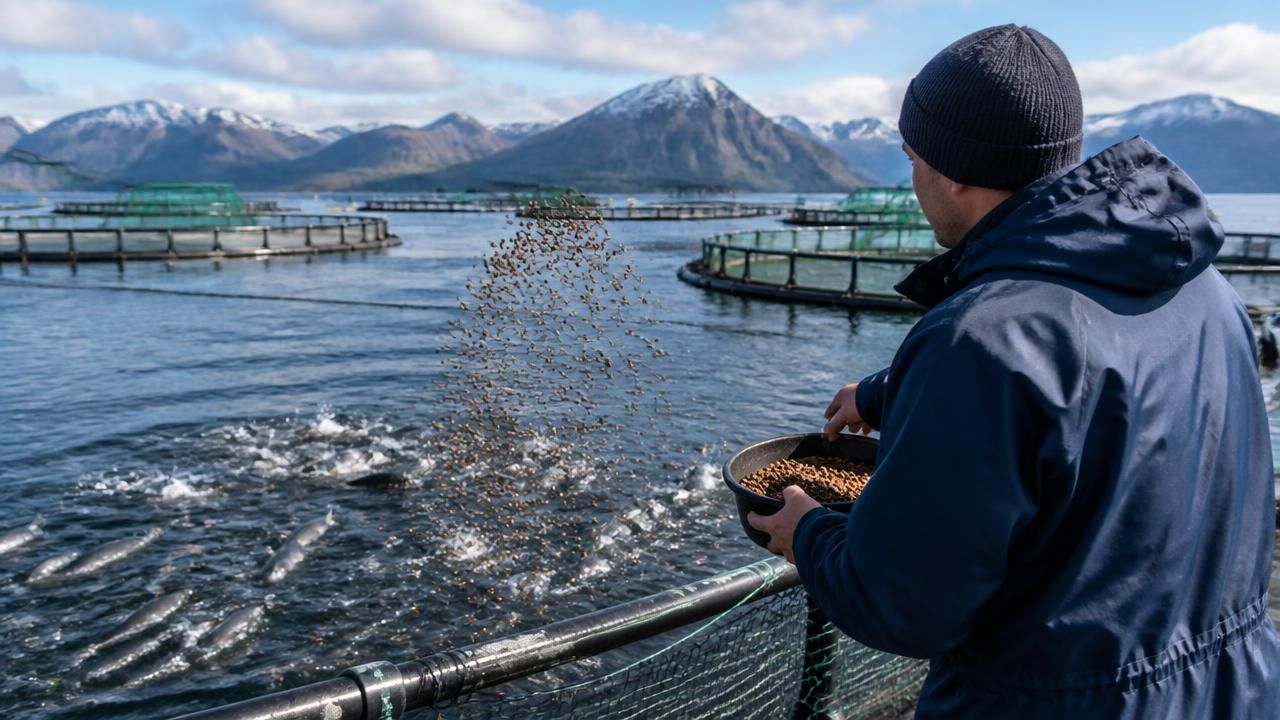
For decades, health experts have urged consumers to eat more fatty fish like salmon, touting its high levels of heart-healthy omega-3 fatty acids. That advice helped fuel a global boom in salmon consumption, with farmed salmon now making up nearly 70% of the fish eaten worldwide. But a new study led by U.S. Department of Agriculture (USDA) scientists suggests farmed salmon may no longer be the nutritional powerhouse it once was—possibly rendering official dietary recommendations outdated.
The research, covered this week by Ars Technica and InsideClimate News, found that levels of omega-3 fatty acids—specifically EPA and DHA—in farmed salmon have declined considerably over the past decade. The cause, experts say, lies in what the fish are fed. Traditionally, farmed salmon were fed wild-caught fishmeal and fish oil, which naturally contain high amounts of omega-3s. In recent years, however, aquaculture feed has shifted toward cheaper plant-based ingredients like soy and canola oil to meet growing demand and reduce pressure on wild fish stocks. While this shift helps sustainability in some ways, it has unintentionally diluted the nutritional value of the final product.
A Troubling Gap in Dietary Guidance
The USDA’s Dietary Guidelines for Americans recommend eating at least 8 ounces of fish per week, specifically urging people to choose salmon and other fatty fish for their omega-3 content. The American Heart Association echoes this guidance. But if farmed salmon’s omega-3 levels have dropped, consumers following these recommendations may not be getting the protective cardiovascular benefits they expect.
“The assumption that eating a serving of farmed salmon meets your weekly omega-3 requirement is no longer safe,” said a marine nutrition researcher familiar with the study. “Guidelines need to account for changes in feed composition and farming practices.”
The study doesn’t suggest that salmon is unhealthy—only that its fatty acid profile is changing. For those who rely heavily on farmed salmon as their primary source of omega-3s, it could mean needing to eat larger portions or supplement with fish oil, algae oil, or other omega-3-rich foods.
Wild vs. Farmed: A Nuanced Debate
The findings have reignited the long-running debate between wild and farmed salmon. Wild salmon, like those from Alaska, typically contain more omega-3s because they eat a natural diet of aquatic organisms rich in marine lipids. However, wild salmon populations are limited, and overfishing concerns make them a less scalable option for feeding the global population. Farmed salmon, by contrast, are abundant and affordable, but the new research highlights a nutritional trade-off.
An article published on MSN, titled “Expert weighs in on debate over wild and farmed salmon,” explores these complexities. While the piece is not fully available, it underscores that the choice between wild and farmed is not simply about nutrition. Environmental sustainability, price, and carbon footprint also play critical roles. Some experts argue that farmed salmon can be nutritionally improved by reintroducing marine-based feed ingredients, but this would require more wild-caught fish—undermining the environmental benefits of aquaculture. Others point to the potential of genetically modified feed or cultivated fish cells as future solutions.
Open-Net Pens: The Environmental Cost
Another MSN article, “Why you might want to avoid buying open-net farmed salmon at the grocery store,” zeroes in on the environmental problems associated with the most common farming method. Open-net pens, typically located in coastal waters, allow waste, excess feed, and chemicals to escape directly into the surrounding environment. They also facilitate the spread of sea lice and other diseases to wild salmon that swim past the pens. Additionally, farmed salmon that escape from these pens can interbreed with wild populations, weakening their genetic resilience.
- Pollution: Uneaten feed and fish waste accumulate beneath pens, degrading local water quality.
- Disease and parasites: High fish density in open nets creates ideal conditions for outbreaks, leading to heavy antibiotic use.
- Escapes: Storm damage and equipment failures release farmed fish, which can disrupt wild ecosystems.
In response, some producers are experimenting with closed containment systems—land-based tanks or closed-net pens that allow for better control of waste and disease. These systems can also enable farmers to precisely formulate feed to maintain omega-3 levels, but they are significantly more expensive to operate, which would likely raise consumer prices.
What Should Consumers Do?
For shoppers, the findings and the surrounding debate highlight the importance of reading labels and asking questions. Terms like “farm-raised” and “open-net” are not always self-explanatory. A salmon filet might come from a closed-containment facility in Norway, an open-net pen in Scotland, or a wild fishery in Alaska—each with different nutritional and environmental profiles. The new research also adds a layer of complexity to menu choices at restaurants and meal-planning at home.
Until guidelines catch up with the science, health-conscious consumers may want to broaden their omega-3 sources. Chia seeds, walnuts, flaxseed, and algae-based supplements are rich in ALA or EPA/DHA. Fatty fish like mackerel, sardines, and herring remain good alternatives, and if salmon is chosen, opting for wild when possible—or at least asking about feed practices—can help.
Looking Ahead
The study serves as a reminder that food production systems are dynamic. As the global appetite for salmon continues to rise, farmers, regulators, and nutritionists must adapt. Industry groups note that salmon farmers are already experimenting with feed additives like microalgae to restore omega-3 levels without overfishing. But for now, the gap between promise and reality in farmed salmon nutrition is a pressing concern for public health.
As scientists called for revised dietary guidelines, the message to consumers is not to abandon salmon but to consume it with full knowledge—and perhaps to temper expectations about the omega-3 dose in every bite. The silver lining is that the attention sparked by this research could accelerate innovations in aquaculture that benefit both human health and the planet.