In a dramatic reversal from the previous month's labor market disappointment, the U.S. economy added far more jobs than expected in August, sending shockwaves through financial markets and sharply raising the odds that the Federal Reserve will deliver an interest-rate hike at its September meeting. According to a Bloomberg interview with Jonathan Golub, managing director and chief equity strategist at Seaport Research Partners, the blowout jobs report reinvests the case for the central bank to tighten policy further, even as President Donald Trump publicly lobbied for lower borrowing costs.
Market Expectations Swing Violently
Just days after the Fed's July meeting minutes suggested a more cautious approach, the August employment report, released on Friday, turned the narrative on its head. Fed funds futures traders abruptly priced in a 58% probability of a September rate hike, up from the single digits after July's notably weak jobs data, as reported by Blockonomi. The surge in hiring was seen as evidence that the labor market remains too hot for the Fed to stand idle, with Forbes noting that the cost of a September pause has risen considerably.
The reaction was swift across asset classes. Stocks sold off as investors digested the prospect of tighter monetary policy, while gold prices fell and Bitcoin dropped below $80,000 for the first time in weeks, according to multiple market reports. The dollar strengthened, adding further pressure on commodities. Invezz's evening digest summarized the day succinctly: “Trump pressures Fed as US jobs rise, gold falls.”
The September Debate: Hike or Pause?
Economists and strategists are divided over what the Fed should do at the September FOMC meeting. The hawkish camp argues that with the economy adding jobs at a robust clip, the risk of an overheating economy and resurgent inflation demands an immediate hike. As MSN headlines declared, “Fed rate hike back in focus after strong jobs report,” and the Journal Record echoed, “Strong August jobs report puts Fed rate hike back in focus.” Seaport's Golub underscored that the report “reinforces the case” for a hike, but expressed a deeper anxiety:
“His bigger concern is longer-term bond yields as heavy AI investment and government borrowing compete for capital.”
On the other side, Goldman Sachs economists argue that a September hike remains “very unlikely” because inflation has been cooling. Indeed, recent CPI data came in cooler than expected, and the July minutes revealed substantial disagreement within the Fed about the necessity of further tightening. The dovish camp maintains that the Fed should look through one strong month of employment data and focus on the disinflationary trend. “Why The Fed Will Raise Rates In September Despite Cooler CPI,” reads a Forbes headline from the opposing camp, setting up a clear intellectual clash over the central bank's reaction function.
The Fed minutes from its July meeting, released in the interim, had suggested that policymakers were more divided than ever. Some members worried that further hikes could tip the economy into a recession, while others insisted that fighting inflation remained the top priority. Now, with the August jobs report in hand, those minutes are already outdated. The September decision will hinge on a flurry of data due in the next two weeks, particularly the August CPI report, which could either calm or inflame current market anxieties.
Beyond the Fed: Political and Market Ripples
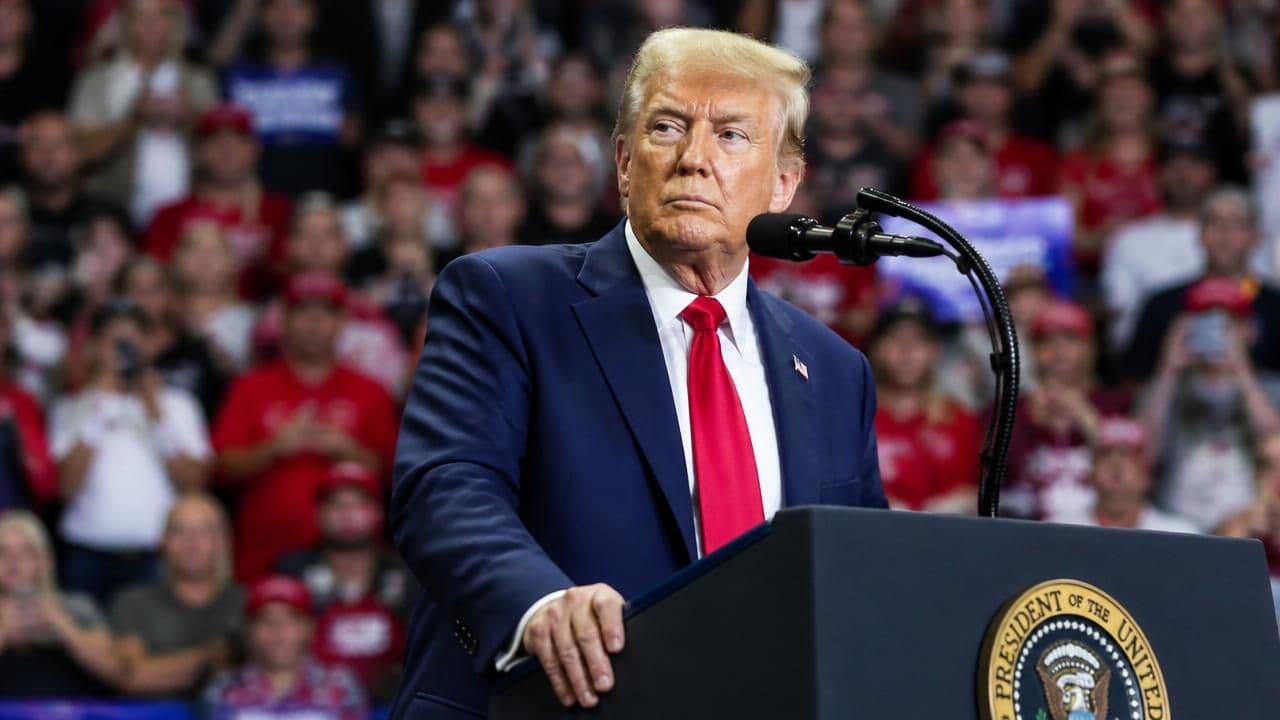
President Trump has repeatedly called for lower interest rates, but the robust labor market complicates his pressure campaign. For investors, the new reality is one of renewed volatility, where good economic news can be bad for risk assets if it bolsters the case for tighter policy.
Key takeaways from the cross-market reaction include:
- Fed funds futures now imply a 58% probability of a September rate hike.
- Bitcoin tumbled below $80,000, while gold and equities also declined.
- Goldman Sachs cautions that cooling inflation makes a September hike unlikely.
- President Trump continues to pressure the Fed for lower rates, despite the strong data.
- Long-term bond yields are a growing concern amid AI-driven capital demand and government deficits.
Consumers Brace for Higher-for-Longer
Regardless of what the Fed does in September, the debate has already shifted expectations for the entire rate path. Investors now anticipate that interest rates could “stay higher for longer,” a scenario with direct implications for consumers. As CNBC's analysis noted, this means sustained higher costs for mortgages, auto loans, credit cards, and business borrowing. Savers, on the other hand, may benefit from continued elevated yields on savings accounts and bonds.
The Bond Market Wildcard
Seaport's Golub's warning about long-term yields deserves special attention. With the U.S. government borrowing heavily to finance deficits and the private sector pouring tens of billions of dollars into artificial intelligence infrastructure, the demand for capital is colliding with a limited supply of savings. Even if the Fed cuts rates later, long-term yields could remain high, effectively tightening financial conditions on their own. This “term premium” risk may be the true wildcard for the economy in the months ahead.
The Numbers That Matter Next
The September FOMC meeting is now truly “live.” Market expectations have swung from a near-certain pause to a coin flip, and the next inflation numbers will likely decide the outcome. The August jobs report has set the stage, but the upcoming CPI report will be the decisive piece of data. For now, the Federal Reserve's job is not getting easier. Balancing a resilient labor market, softening inflation, political pressure, and rising bond yields is a precarious act, and the entire global economy will be watching closely when the central bank announces its decision.