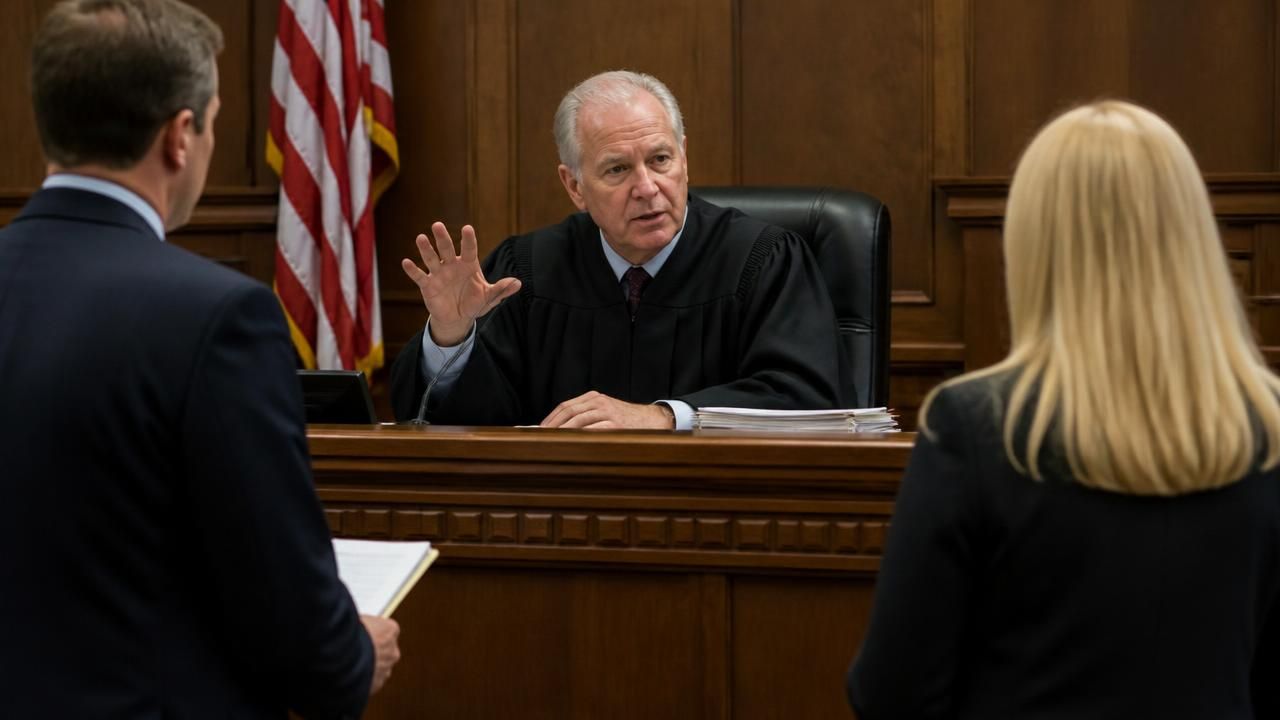
A federal judge has temporarily halted the Trump administration’s effort to force states into creating centralized federal voter lists, but separate rulings have left the order’s mail-in voting changes in legal limbo. The patchwork decision comes fewer than six months before the 2026 midterm elections, as whistleblowers reveal that the U.S. Postal Service’s compliance with the executive order is “rushed and sloppy.”
The litigation unfolds against a backdrop of multiple cases. One judge, ruling in a lawsuit brought by a coalition of states including Nevada, has blocked provisions requiring state election officials to hand over voter roll data to federal agencies for citizenship verification. According to The Nevada Independent, state officials in Nevada welcomed the ruling, saying it protects local election authority. CNN likewise reported that the judge “halts Trump executive order aimed at mail voting in states that challenged it.” But in a different case, The New York Times reported that a judge declined, at least for now, to block the order’s postal voting deadlines and related rules. That means the administration may still require states to count all mail ballots by Election Day, while the voter database portion is frozen in the states that sued.
What the Executive Order Seeks
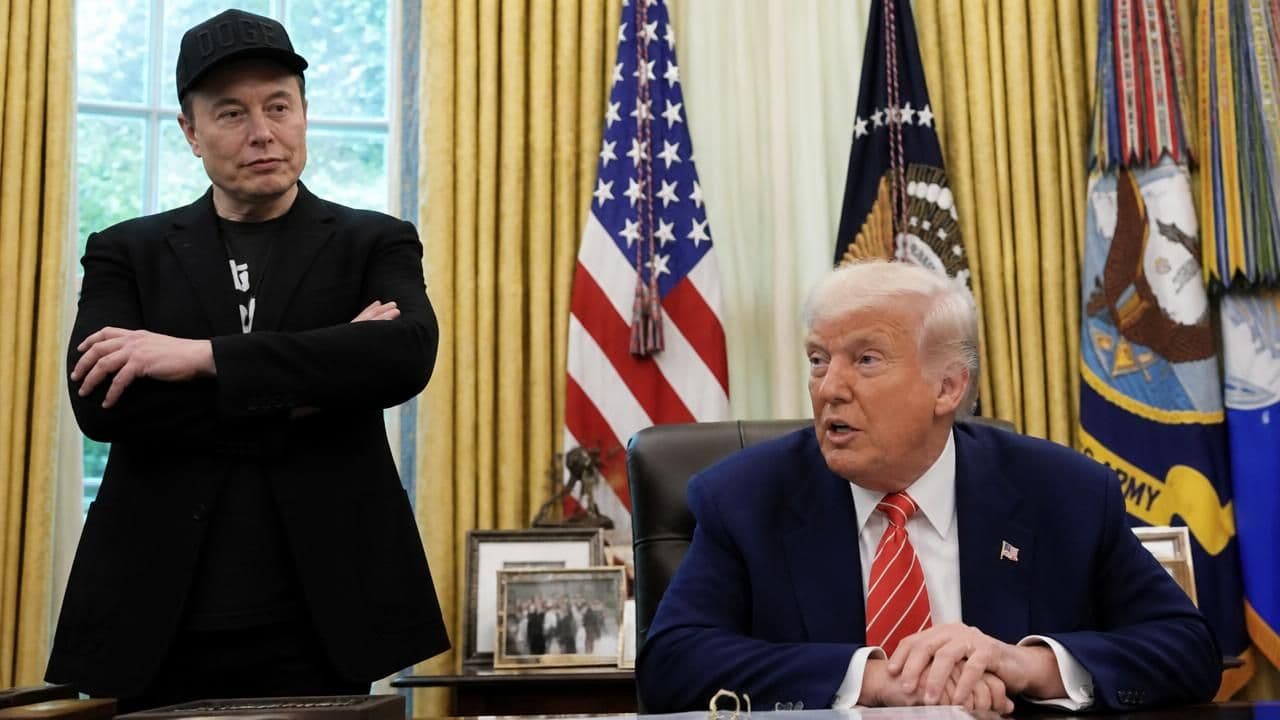
The executive order, signed by President Trump in late March, represents one of the most aggressive interventions into state election administration in American history. It directs federal agencies to demand documentary proof of citizenship on voter registration forms and to share their records with state officials to identify noncitizens for removal from voter rolls. The order also creates an interagency task force to investigate alleged election crimes and instructs the U.S. Postal Service to expedite the delivery of ballots while requiring states to count ballots that arrive by Election Day.
Justifying the order, the White House claimed it was necessary to stop noncitizen voting, a threat that data have repeatedly shown to be virtually nonexistent in federal elections. “People are demanding that only U.S. citizens are allowed to vote,” Trump said when signing the order. The administration has repeatedly asserted that the public has lost confidence in election integrity.
Critics, however, see a different motive. The Center for American Progress (CAP) described the order as an attempt to “dictate how states run elections and handpick which citizens can vote.” CAP also released a report calling the companion SAVE America Act in Congress an even more extreme “show your papers” voting bill, warning that it would erect massive barriers to registration. Voting rights groups argue that the executive order and related legislation are designed to suppress the vote, especially among eligible minority and low-income voters.
Whistleblower and Data-Insecurity Concerns
One of the most troubling revelations emerged from inside the U.S. Postal Service. PBS News reported on a whistleblower complaint alleging that the agency’s work to comply with the executive order is dangerously hasty. The complaint says postal officials are missing deadlines and adopting makeshift procedures to handle an expected surge in mail ballots, raising the risk that legitimate votes will be lost or delivered too late. “The Postal Service’s work to comply with Trump order is rushed and sloppy,” the whistleblower said.
The electronic frontier concerns are equally urgent. The Electronic Privacy Information Center (EPIC) sued to block what it called an “illegal” plan to build a master database of U.S. citizens. EPIC’s lawsuit contends that the order violates federal privacy laws and the separation of powers by sweeping up personal data for people who have absolutely no connection to suspected voter fraud. Wired magazine reported on a separate complaint describing how the Department of Homeland Security’s data grabs are already getting citizens kicked off voter rolls. “DHS’s data grab is getting citizens kicked off voter rolls, new complaint says,” Wired reported. Because DHS records are not designed for voter eligibility verification, naturalized citizens and people with name changes are often mistakenly flagged as noncitizens.
NPR reported that the administration “still aims to make state citizenship lists ahead of midterms,” but that officials conceded they now cannot meet the order’s own deadline requiring the lists to be completed 60 days before Election Day. That deadline, already unrealistic, seemed even more unattainable after the court’s injunction. The Lawfare media outlet published a detailed legal analysis noting that the executive order raises unresolved constitutional questions, particularly around the spending clause and the “times, places and manner” of elections clause, which gives states primary authority over voting rules.
State Reactions and the Road Ahead
The court’s decision is not a universal victory for opponents. Because the injunction applies only to the states that were part of the lawsuit, election officials in other states may still face conflicting instructions from Washington. Nevada’s secretary of state praised the ruling, saying it “protects Nevada voters and affirms that states—not the federal government—are responsible for election administration.” But legal experts warn that the administration may appeal to the Supreme Court, and the final scope of the order could be undecided for months.
Democratic state attorneys general have filed their own challenges, arguing that the order would create chaos and disenfranchise voters. Republicans generally support the order as necessary to prevent voter fraud, and conservative legal foundations have filed amicus briefs in support. “This is a common-sense effort to ensure American elections are decided by American citizens,” said a representative of one such group. “States should be happy to cooperate in weeding out noncitizens from voter rolls.”
The conflicting rulings underscore the tense political climate around voting rules. Evidence of noncitizen voting is scant: a number of academic and governmental studies have found that federal noncitizen voting occurs at a tiny fraction of a percent. Yet the executive order’s supporters insist that even one illegal vote is too many.
What Happens Next
The immediate next steps will likely occur in federal appellate courts. The administration has the option to seek an emergency stay of the injunction, while the plaintiffs are expected to ask judges to expand the injunction nationwide. Congress could also enter the fray, though the SAVE America Act remains stalled in the Senate. With midterm elections rapidly approaching, election officials in all 50 states are being forced to adapt to a moving target.
Many believe the controversy may ultimately be resolved by the Supreme Court, which has shown itself willing, in recent years, to weigh in on election rules. Until then, the story is one of institutional friction, privacy fears, and a deeply divided nation—facing an election season with the rules yet to be written.