Global markets are navigating a complex set of crosscurrents this week. A Bloomberg investigation into pension funds and insurers finds that some of the world’s biggest institutional investors are dangerously exposed to a falling dollar, even as US diesel prices climb to a four-year high and Nigeria’s naira stages an unexpectedly strong annual rally. Together, these stories paint a picture of a financial system grappling with currency risk, geopolitical supply shocks, and shifting fortunes in emerging markets.
The Unhedged Dollar Bet
In a series of analyses published on Bloomberg and syndicated by MSN, markets desk reporters sifted through regulatory filings from pension funds and insurance companies across several countries. Their conclusion: an unusually high share of these institutions hold large portfolios of US assets—but have not purchased hedging instruments to protect against a weaker dollar. The report identified a structural vulnerability that could amplify a selloff if sentiment toward the dollar turns.
“Sift through the filings of pension funds and insurers around the world and one thing stands out: some of the biggest holders of US assets have little protection against a weaker dollar, leaving the currency at risk of steeper declines if sentiment suddenly turns.”
— Bloomberg Markets
Hedging, or the use of currency derivatives to offset exchange-rate losses, is common among sophisticated investors. However, Bloomberg’s review finds that many pension funds and insurers appear to have allowed their hedge ratios to lapse, possibly because of the sustained strength of the dollar over the past decade. With the Federal Reserve signalling a potential shift toward easing, the risk is that these investors will scramble to reposition simultaneously, accelerating any downturn. The report was framed by both Bloomberg and MSN as a warning shot for anyone who assumes that the dollar’s dominance will remain unchallenged.
Diesel Prices Hit Four-Year High
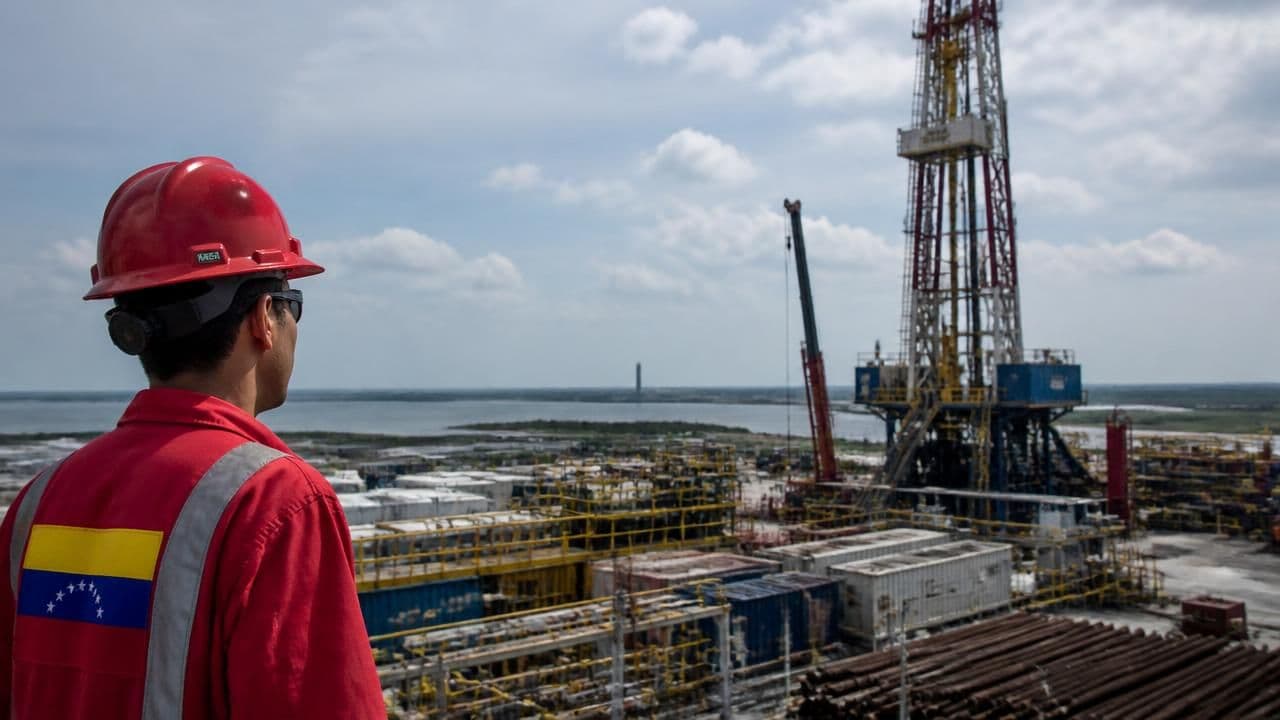
Separately, Yahoo Finance reported that US diesel prices have risen to their highest level in over four years, driven by “wars straining global supplies.” The headline itself points to the ongoing geopolitical conflicts in Eastern Europe and the Middle East, both of which have restricted refining capacity, disrupted sea lanes, and created a scramble for distillate fuels.
Diesel is not just a consumer fuel; it powers the trucks, trains, and farm equipment that move goods across the American economy. A sustained price spike therefore feeds directly into inflation figures, complicating the Federal Reserve’s calculus on interest rate cuts. Analysts note that while the price jump is partly a seasonal phenomenon, the root cause is structural: refineries have closed in recent years, and those that remain are often running at capacity to meet the world’s demand for heating oil and jet fuel. The tightening market could keep upward pressure on diesel prices well into the winter months, with geopolitical events providing an additional premium.
Nigeria’s Naira Defies Expectations
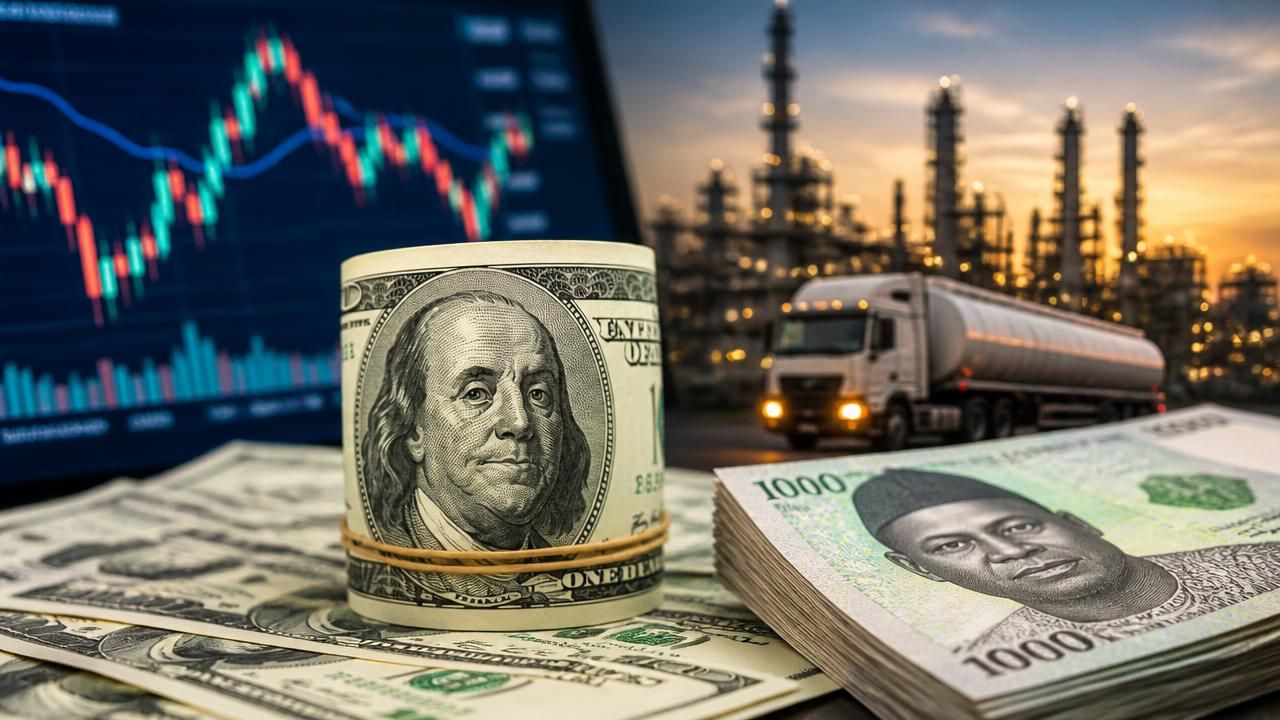
In another Bloomberg report, Nigeria’s currency, the naira, is heading for its best annual performance against the dollar since 2018. The naira has historically been volatile, subject to devaluations and foreign-currency shortages. Yet 2024 appears to be a turnaround year, thanks largely to higher oil export revenues, a series of central bank policy tightenings, and a surge in foreign investment into Nigerian sovereign bonds.
Nigeria is Africa’s largest crude oil producer, and when global energy prices are elevated, the country usually enjoys a windfall. However, the government has also pursued significant reforms—including the unification of the multiple official exchange rates and a cleareer monetary stance—that have boosted investor confidence. “For long, the naira was an avoidable risk,” observed a currency analyst in Lagos. “Now, with real yields positive and oil money flowing, it has become one of the more interesting trades in frontier markets, though it remains exposed to any reversal in global risk appetite.”
A Tapestry of Dollar and Energy
These three stories, each reported through a different lens, are more closely related than they first appear. The dollar sits at the center: a weaker dollar generally helps emerging-market currencies like the naira, but it also reduces the dollar value of foreign-held US assets, which is precisely why the unhedged exposures identified by Bloomberg matter. If the dollar depreciates sharply, foreign institutions holding treasuries could face significant paper losses, prompting them to unwind positions and amplifying the selloff—an outcome that would ripple across global capital markets.
Meanwhile, high diesel prices threaten to keep inflation sticky in the United States and Europe, potentially forcing central banks to maintain higher interest rates for longer. That, in turn, would support the dollar, creating a headwind for the naira and other EM currencies. Nigeria’s relative strength, thus, may be running against a larger tide of energy-driven inflation and dollar resilience.
Investors are now parsing each data point for clues. The unhedged exposure of pension funds suggests a vulnerability that may not show up in headline capital-flow numbers. The diesel market signals that the global economy remains hostage to geopolitical conflict. And the naira’s surprising performance reminds us that in the interconnected world of currencies, one nation’s pain can be another’s gain—though stability is never guaranteed.
As Bloomberg’s report warns, sentiment can turn quickly. For pension funds, insurers, and policymakers watching from the sidelines, the question is no longer whether the dollar’s dominance will fade, but who will be hit when the bet unwinds.