For over a decade, Apple's MacBook Air has been the default choice for ultraportable computing. But at CES 2026, a new wave of Windows laptops from Acer and Asus is challenging that dominance with designs that are dramatically lighter than Apple's beloved 13-inch model. The result is a rematch of the classic Ultrabook wars, but with modern materials and cutting-edge silicon.
Acer's One-Two Punch: Swift Blade 14 and Swift 16 Air
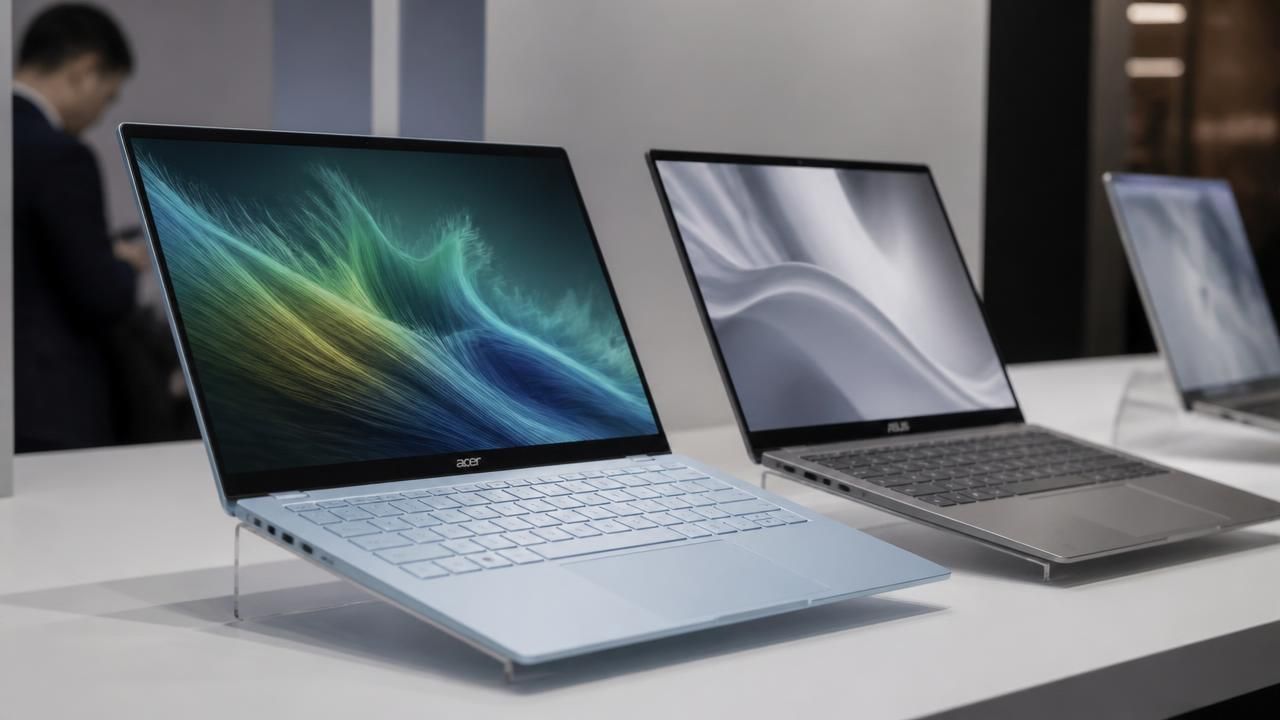
Acer's star of the show is the Swift Blade 14, a productivity laptop that weighs just 1.76 pounds (799 grams) and measures as little as 0.51 inches (12.95mm) thick.
“Acer's new MacBook Air rival is nearly a pound lighter than Apple's laptop,” as The Verge put it. This featherweight design is achieved through carbon fiber in both the top lid and bottom plate, a material choice historically reserved for high-end sports cars and aerospace components.Inside, the Swift Blade 14 will be powered by Intel's new Wildcat Lake processors, ranging from a five-core entry-level chip upward. Acer is also leaning into a playful aesthetic, offering the laptop in “marshmallow blue” and “marshmallow white.” Meanwhile, the company teased the Swift 16 Air, which Mashable dubbed “Acer's new MacBook challenger.” This 16-inch model reportedly weighs less than the 13-inch MacBook Air, making it one of the lightest large-screen laptops ever announced.
Asus Matches the Move
Not to be outdone, Asus is showing off its own 16-inch laptop at CES 2026. According to Mashable, the new Asus machine weighs less than a MacBook Air despite its larger display. This continues Asus's recent streak of impressive ultraportables, including the Zenbook S 14 and Zenbook A14, both of which earned strong reviews from PCMag and PCWorld. PCWorld called the Zenbook S 14 “a nearly perfect productivity PC,” while PCMag's review of the Zenbook A14 highlighted its blend of battery life and lightweight construction.
The Asus 16-incher is still under wraps, but the early hype underscores a clear industry shift: consumers no longer have to choose between screen real estate and portability.
A Brief History of Featherweight Laptops
The race to build the lightest laptop is not new. Acer's Swift 7, first reviewed by PCMag in 2019, was a pioneering attempt at a sub-2.5-pound notebook. Earlier ancestors include ultrabooks like the Toshiba Portege Z835 and Acer Aspire S5, which helped define the category but made painful compromises in keyboard comfort, battery life, or performance. For years, the MacBook Air set the bar, but it was never the absolute lightest—just the best-balanced.
Now, carbon fiber and Intel's efficient Wildcat Lake chips have changed the calculus. Carbon fiber offers structural rigidity at a fraction of aluminum's weight, while the new processors generate less heat, enabling thinner chassis without active cooling. These advances have allowed engineers to shave off precious grams without sacrificing usability.
MacBook Air's Strongest Competition Yet?
Reviewers have been quick to test this new generation of Windows machines against Apple's flagship. Mashable put eight MacBook alternatives through their paces and found that seven were “worthy rivals,” with several beating Apple on weight, port selection, or value. Laptop Mag went further, calling the Acer Swift Go 14 a “low-cost MacBook Air killer with a stellar display,” proving that Acer is attacking from the budget tier as well as the premium one.
Mashable's broader testing of over 80 laptops for its “Best laptops of 2026” roundup suggests that the gap between Windows and Apple has narrowed significantly. “We tested 8 MacBook alternatives: Here's what beat Apple,” the outlet declared, hinting that the days of Apple's unquestioned ultraportable crown may be numbered.
The Engineering Trade-Offs
Building such light machines is not without challenges. Carbon fiber is expensive and can interfere with antenna signals if not integrated carefully, requiring specialized engineering. It's also more brittle than aluminum, so drop-tolerance is a concern. Intel's Wildcat Lake chips are key to enabling these designs, as their low power draw reduces thermal requirements, allowing for fanless or low-profile cooling systems. However, performance may still lag behind bulkier laptops with more powerful processors, and pricing for these carbon-fiber marvels is likely to be premium.
Availability and Outlook
Acer has not yet announced specific pricing or release dates for the Swift Blade 14, though the Swift 16 Air is expected later in 2026. Asus is staying tight-lipped about its 16-inch featherweight. What's clear is that the new breed of Windows laptops offers something Apple currently doesn't: a 16-inch screen in a body lighter than the 13-inch MacBook Air. For travelers, students, and professionals who carry their laptops everywhere, that's a game-changer. The MacBook Air is no longer the only logical choice—and that's a victory for consumers.