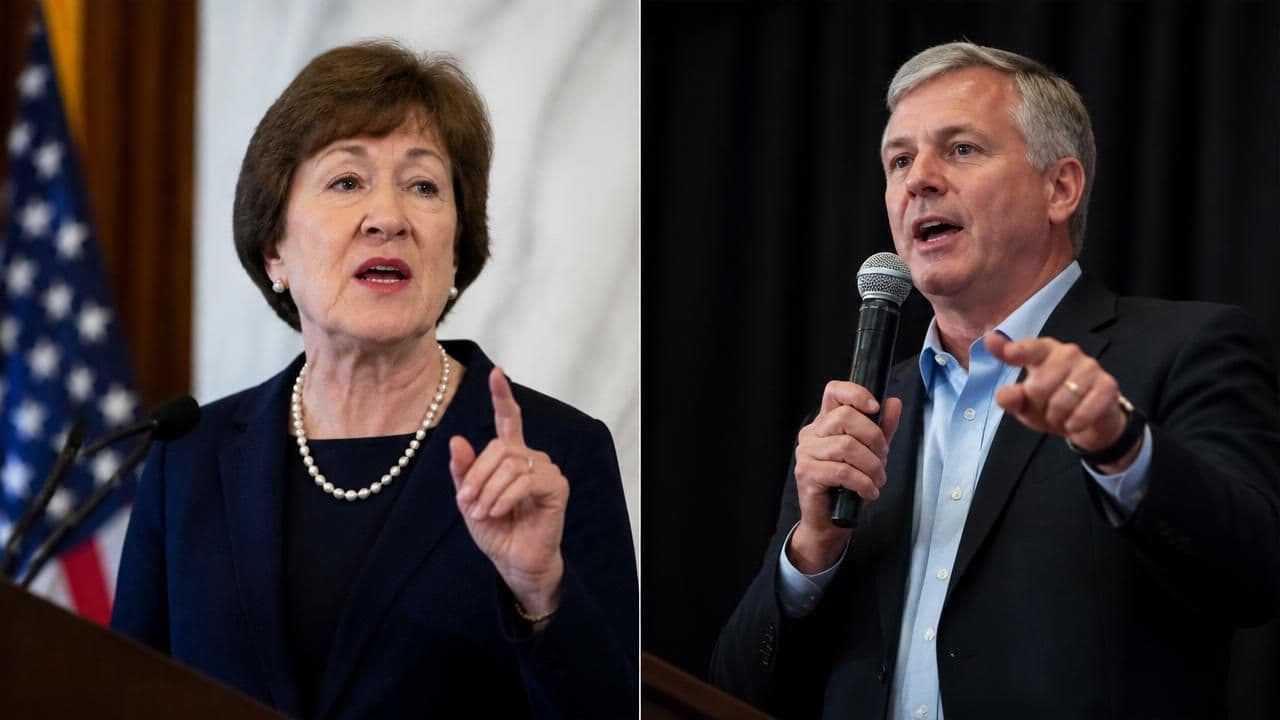
BOSTON — Incumbent Sen. Ed Markey, 80, defeated Rep. Seth Moulton, 47, in Massachusetts' Democratic Senate primary on Tuesday, delivering a decisive rebuke to those who argued the party needed fresh faces at the top. The race became a national proxy for a generational tug-of-war within the Democratic Party, with Moulton, a four-term congressman and Iraq War veteran, casting himself as the standard-bearer for a new era.
Markey, who first won election to the House in 1976 and has served in the Senate since 2013, rallied progressives and environmental activists, leaning on his authorship of the Green New Deal and his reputation as a senior liberal lion. Despite Moulton's aggressive campaign and a wave of younger challengers across the country, Markey's coalition of progressive activists and older voters held firm.
A Generational Battle
The primary was framed nationally as a test of whether the Democratic Party would follow the broader push for generational change seen in recent elections. Moulton explicitly argued that the party needed new leadership, telling voters that "the party needed new leaders" — a phrase that became his campaign's rallying cry. He pointed to his military service and his work on national security as evidence of a fresh perspective.
Markey, however, countered that experience and legislative achievement should not be discounted. "I've spent my career fighting for bold, progressive change," he said on the campaign trail. "That's not a weakness; it's a strength." His backers noted his leadership on climate change, his early support for Medicare for All, and his willingness to take on corporate interests.
The Campaign Trail
The contest grew increasingly heated in its final weeks. A debate hosted by Boston 25 News and GBH News in July saw the two Democrats trade sharp attacks. Moulton hit Markey for missing a prior debate that included Republican candidate John Deaton, while Markey accused Moulton of distorting his record. The exchanges underscored the depth of the divide, with Moulton going so far as to launch what critics called a "desperate" attack on Markey's age and effectiveness.
Markey also faced a financial disadvantage: reports showed he was outraised by Moulton in the final fundraising quarter, a sign of the challenge’s intensity. Yet betting markets and pollsters consistently favored Markey, and his victory speech Tuesday night struck a triumphant tone.
Voters Weigh In
Massachusetts voters were split, but Markey’s margin suggested a comfortable win. In interviews, voters offered a range of reasoning. "I like Seth, but Ed has the seniority and the progressive bona fides," said one Boston-area voter. Another, a young activist from Cambridge, supported Moulton: "We need leaders who understand the struggles of our generation."
"The party needed new leaders," Moulton said, encapsulating his generational pitch.
Political analysts say the results will resonate far beyond Massachusetts. In an era when the average age of senators is at a historic high, Markey's success demonstrates that incumbents with strong policy identities can withstand youth-fueled challenges. It also suggests that progressive voters may prioritize substantive records over demographic change.
A Broader Trend
The Massachusetts primary was not an anomaly. This cycle has seen more than half of the state's House delegation face primary challengers, many of them younger and more progressive. Nationwide, incumbents in both parties have faced unprecedented challenges, but Tuesday's outcome indicates that experience still holds sway in certain contests.
For Moulton, the loss raises questions about his political future. He had positioned himself as a centrist Democrat willing to break with his party on issues like the culture war, but he struggled to consolidate support among the state's dominant progressive bloc. For Markey, the win cements his status as a progressive standard-bearer, likely giving him renewed influence in the Senate.
Looking Ahead
Markey will face Republican nominee John Deaton in November’s general election. Massachusetts is a heavily Democratic state, and Markey is heavily favored to win a new term. But the primary's drama hints at a larger debate within the Democratic Party about age, renewal, and the balance between institutional power and grassroots energy.
As the results rolled in, the Markey campaign issued a statement thanking voters for "choosing experience and a proven progressive record." Moulton conceded gracefully, urging Democrats to unite for the fall campaign. For now, the 80-year-old senator remains the face of Massachusetts Democrats — and a reminder that in politics, age is not always a liability.