After a three-year journey through corporate limbo, Coyote vs. Acme has finally arrived in theaters — and it was worth every moment of the wait. The film, based on Ian Frazier's 1990 New Yorker satirical piece, has been praised by critics as a hilarious, heartfelt, and surprisingly sharp legal comedy that doubles as a scathing indictment of corporate greed. It carries the Looney Tunes legacy into a new era with a blend of slapstick, wit, and genuine warmth.
From New Yorker to Big Screen
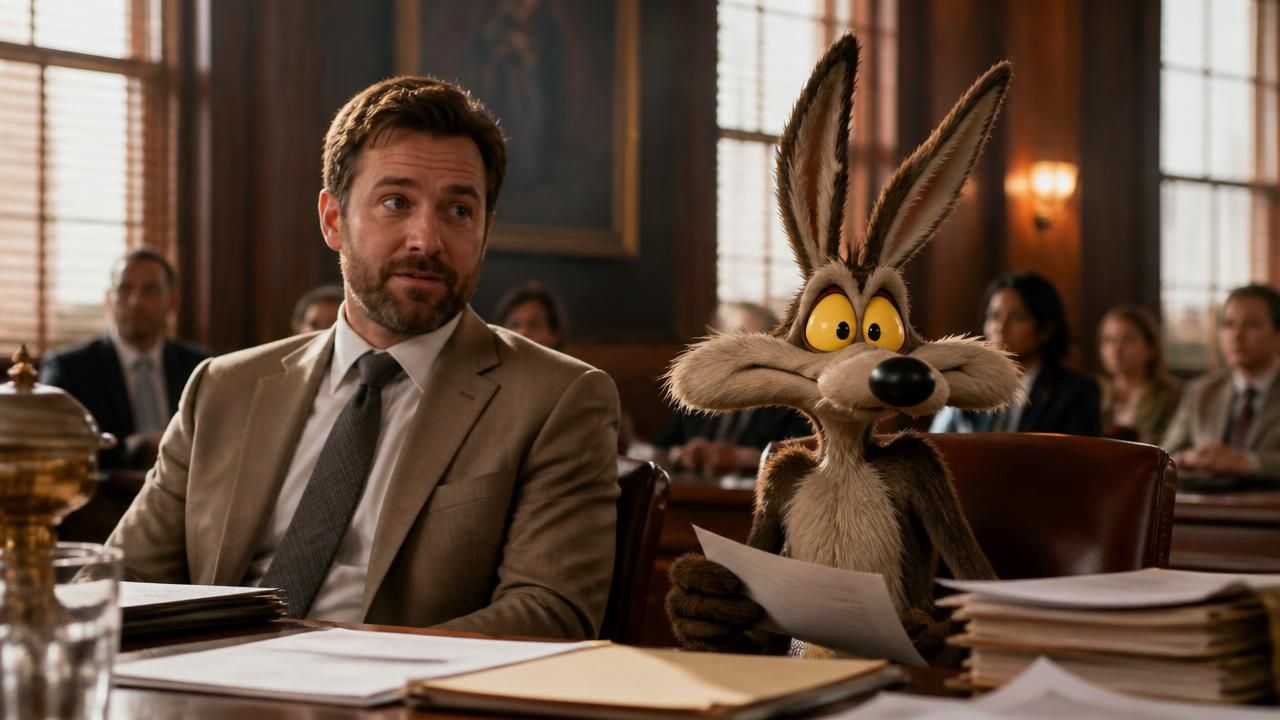
Frazier's original one-page piece imagined Wile E. Coyote suing the Acme Corporation for the defective products that have caused him so much physical harm. The idea percolated in Hollywood for decades, with development finally beginning in 2018. James Gunn, known for Guardians of the Galaxy, was among the screenwriters, promising a distinctly modern take on the classic cartoon characters. The film stars Will Forte as a real-world lawyer who represents Wile E. Coyote, with John Cena as the slick, amoral Acme executive. Reviewers have singled out the pair's chemistry, noting that Forte brings vulnerability while Cena savors his role as a corporate villain.
The Shelving That Sparked Outrage
Despite its pedigree, Warner Bros. made a bizarre decision in 2023 to shelve the completed film entirely, intending to take a tax write-off. The move drew immediate backlash from fans and industry insiders alike, who viewed it as a cynical cash grab at the expense of artists and audiences. TheWrap's review called the film "timely" — not just for its satire of corporate malfeasance, but because it literally had to be rescued from corporate hell. IndieWire echoed that sentiment, titling its review: "Thank Goodness This Clever Comedy About the Evils of Corporate Greed Was Rescued from Corporate Hell."
The studio's decision became a cautionary tale about media consolidation and the prioritization of tax benefits over creative output. But after intense public pressure and negotiation, the film was finally released — and critics are unanimous in their relief.
Perfect Score and Universal Praise
Upon release, Coyote vs. Acme debuted with a perfect 100% approval rating on Rotten Tomatoes, a rare feat for any film, let alone one that was nearly buried. As Forbes noted, "critics are wild for Wile E. Movie." The positive reviews span major outlets:
- Ars Technica called it "an unabashed love letter to Looney Tunes" and "an irresistible blend of slapstick humor, pointed satire, and warm fuzzy moments."
- Empire magazine described it as "a daft, inventive, hilarious comedy" and "more than worth the wait."
- TheWrap praised it as "ingenious, timely," while UPI deemed it "a genius legal, corporate satire."
- Showbiz Junkies called it "a heartfelt, hilarious Looney Tunes triumph."
- Deadline went even further, hailing it as the "best live-action/toon hybrid since Who Framed Roger Rabbit" and "Warner Bros.' most entertaining film of 2026."
This near-universal appreciation is all the more striking given the film's rocky road to the screen. Many reviews explicitly frame the movie as a cultural test case: the very institutions that tried to suppress it are the ones it satirizes.
Satire With a Heart
At its core, Coyote vs. Acme is a legal comedy about accountability. Wile E. Coyote, after decades of being maimed by Acme's faulty catapults, rocket skates, and dynamite, decides to sue. The movie transforms a cartoon trope into a sharp commentary on consumer protection, corporate liability, and the absurdity of business-as-usual. But it never forgets its roots: the slapstick is creative, the chases are inventive, and the animators have clearly studied the original Chuck Jones cartoons.
Reviewers have noted that the film works on multiple levels. Kids will laugh at the physical comedy; adults will appreciate the satire and the film's self-awareness. TheWrap noted it "gets the last laugh" — both as a work of entertainment and as a vindication for all those who fought for its release.
Technical Mastery and Legacy
One of the film's most celebrated achievements is its seamless blend of live action and animation. Deadline compared it favorably to Who Framed Roger Rabbit, which set the standard for such hybrids in 1988. Technology has advanced considerably since then, and the filmmakers have used modern techniques to create a vivid world where Wile E. Coyote and his cartoon adversaries interact convincingly with human actors. Ars Technica noted that the film "delights audiences of all ages," which is no small feat for a property that has been around for over 80 years.
The film also features an original animation style that respects the classic Looney Tunes aesthetic while updating it for modern audiences. It reflects the same irreverence and inventiveness that made the original cartoons timeless.
Why This Matters
The story of Coyote vs. Acme is as much about the film industry as it is about the movie itself. Its release after being shelved is a landmark moment for advocates of creative freedom. The film's success demonstrates that audiences and critics alike value original, craftsmanlike entertainment — and that corporate short-termism can be defeated by public demand. In an era of franchise fatigue and algorithm-driven content, the movie stands as proof that a cartoon coyote suing a fictional corporation can be more relevant — and more entertaining — than any blockbuster sequel.
As the credits roll, audiences will likely leave theaters smiling, perhaps with a newfound respect for the legal system. But they'll also walk away with something deeper: a reminder that when artists are allowed to share their work, magic can happen. That's something worth fighting for — and something Warner Bros. almost wrote off entirely.