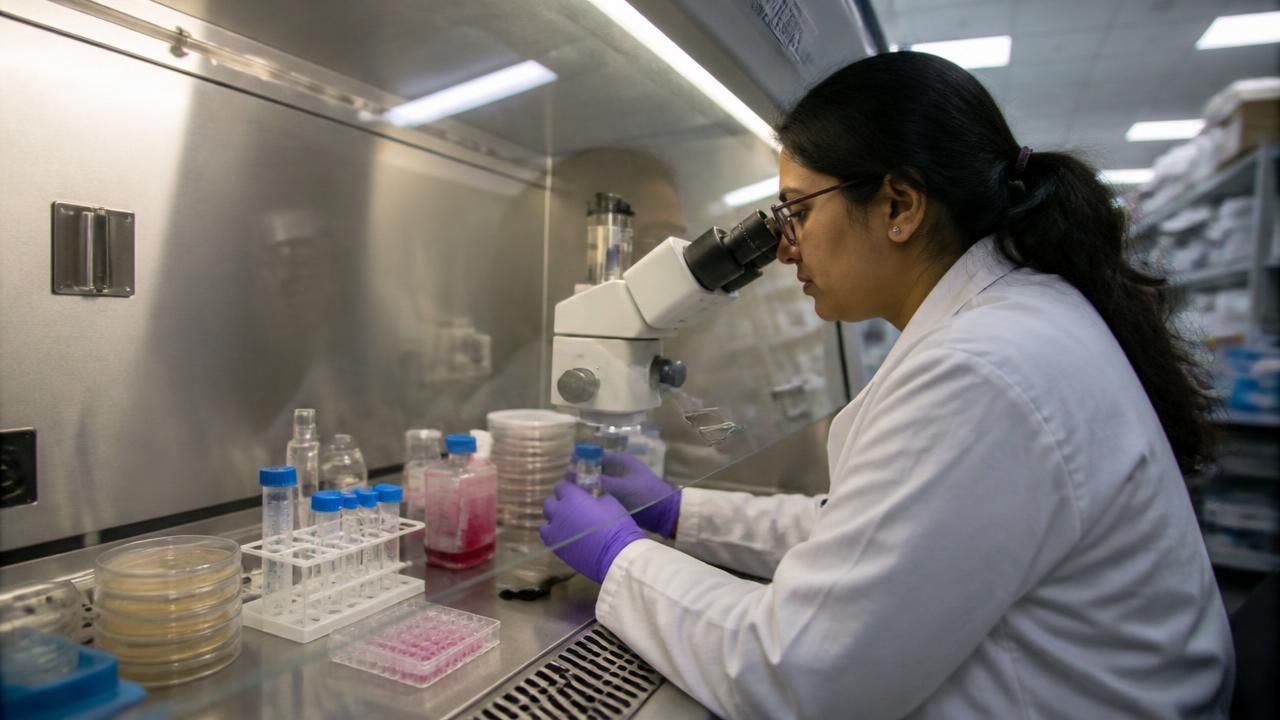
A summer already marked by extreme heat, viral waves, and political turmoil now has another unwelcome headline: a fast-moving cyclospora outbreak that has sickened thousands across the United States. The parasite, which causes gastrointestinal misery often described as “explosive diarrhea,” has been reported in at least 31 states, with nearly 7,000 cases confirmed or under investigation as of late July. The CDC and state health departments are racing to identify the contaminated food, but so far the source remains elusive.
The Parasite and Its Symptoms
Cyclospora cayetanensis is a microscopic parasite that infects the small intestine and leads to cyclosporiasis. Unlike many foodborne pathogens, it requires days or weeks after contamination to become infectious, making it particularly difficult to trace. Symptoms — watery diarrhea, cramping, bloating, nausea, and fatigue — can last weeks and may relapse. Severe cases require hospitalization, and dozens have already been admitted, according to NBC News.
The parasite is typically spread through contaminated fresh produce, especially berries, salad greens, and herbs. This summer, health officials have pointed to lettuce and salad greens as possible culprits. Michigan, one of the hardest-hit states, has reported over 3,000 cases, and state authorities announced that preliminary evidence links the outbreak to leafy greens.
An Outbreak Shrouded in Mystery
Despite the surge, the exact food source remains unidentified. As BBC News noted, officials are struggling to find the source of an outbreak that causes “explosive diarrhoea.” The challenge is inherent to cyclospora: the parasite is not commonly tested for, and the food supply chain is complex and global. “We don’t know yet which specific product is responsible,” a CDC spokesperson said, echoing the frustration of epidemiologists.
STAT News highlighted why investigators are stumped: cyclospora has a long incubation period, so patients often forget what they ate weeks earlier. Moreover, the contamination may be diffuse, affecting multiple farms or processing facilities, rather than a single batch. The lack of a centralized food-safety database further hampers traceability.
“While Trump administration cuts have contributed to the epidemic of foodborne illnesses this summer, there are also deeper issues that make the American food supply chain susceptible to parasites and bacteria outbreaks.” — Wired
Funding Cuts and Their Impact
The Trump administration’s sweeping cuts to food safety agencies have come under scrutiny. The Independent reported that the true scale of the outbreak might be far worse than known because the FDA and CDC have lost key inspection and surveillance staff. CBS News detailed how these cuts have compromised food safety, reducing the number of routine inspections and delaying outbreak investigations. Politico noted that Health and Human Services Secretary Robert F. Kennedy Jr.’s messaging on food safety has been complicated by the fear of lettuce, making it harder for consumers to trust official guidance.
Critics argue that even before the cuts, the American food system was fragile. Taylor Farms, a major supplier, has repeatedly been linked to outbreaks, prompting Serious Eats to ask whether the food safety system is “working.” The answer, many experts say, is a resounding no.
Climate Change Amplifies Risk
Environmental factors are also at play. Live Science reported that climate change is spoiling food faster, causing hundreds of millions of illnesses globally. Warmer temperatures and extreme weather events create favorable conditions for parasites like cyclospora to thrive. Heavy rains can wash contaminants into irrigation water, while heat waves stress cold chains during transport. The intersection of a warming planet and industrial agriculture, experts say, is a recipe for more frequent and widespread outbreaks.
Not Just Cyclospora: A Summer of Foodborne Illness
Cyclospora is not the only threat. CNN compiled a litany of summer food safety issues: salmonella from eggs, jalapeños, chickens, and even pet chameleons; norovirus outbreaks on cruise ships; and contaminated oysters in British Columbia, which the Investigative Journalism Bureau linked to warming waters. Food Safety News also warned that nearly half of consumers still eat undercooked burgers, risking E. coli infection. The cumulative effect is a public health system overwhelmed by avoidable illnesses.
Consumer Guidance Amid the Chaos
What can consumers do while investigators work? The CDC advises thoroughly washing produce under running water, but that may not remove cyclospora entirely. Cooking kills the parasite, so blanching or cooking produce is the most reliable method. As one food safety expert told Serious Eats, she never eats raw leafy greens at summer cookouts, and she avoids pre-cut fruit that has been sitting out.
US Today provided a map of affected states and practical tips: stay hydrated if you become ill, seek medical attention for prolonged symptoms, and report any suspected cases to local health authorities. Michigan health officials urge residents to keep receipts and recall any shared meals, which can help trace the source.
The Way Forward
The current outbreak exposes structural weaknesses in America’s food safety net. Public health experts call for restored funding, improved traceability technologies, and a proactive approach to climate-accelerated risks. As Johns Hopkins public health experts noted, understanding outbreaks like cyclosporiasis requires investment in surveillance and laboratory capacity that has been eroding for years.
Until then, the mystery of the summer’s “explosive diarrhea” outbreak remains unsolved. Consumers are left to navigate a food system where even salad greens can be a gamble. The lesson, according to the New York Times opinion pages, is that our fresh produce will keep making us sick unless the nation tackles the root causes — from industrial farming practices to inadequate regulation.
For now, the CDC continues its investigation, and the number of cases is still climbing. The true size of the outbreak may never be known, but one thing is clear: the summer of 2025 has become a case study in how fragile our food safety net truly is.