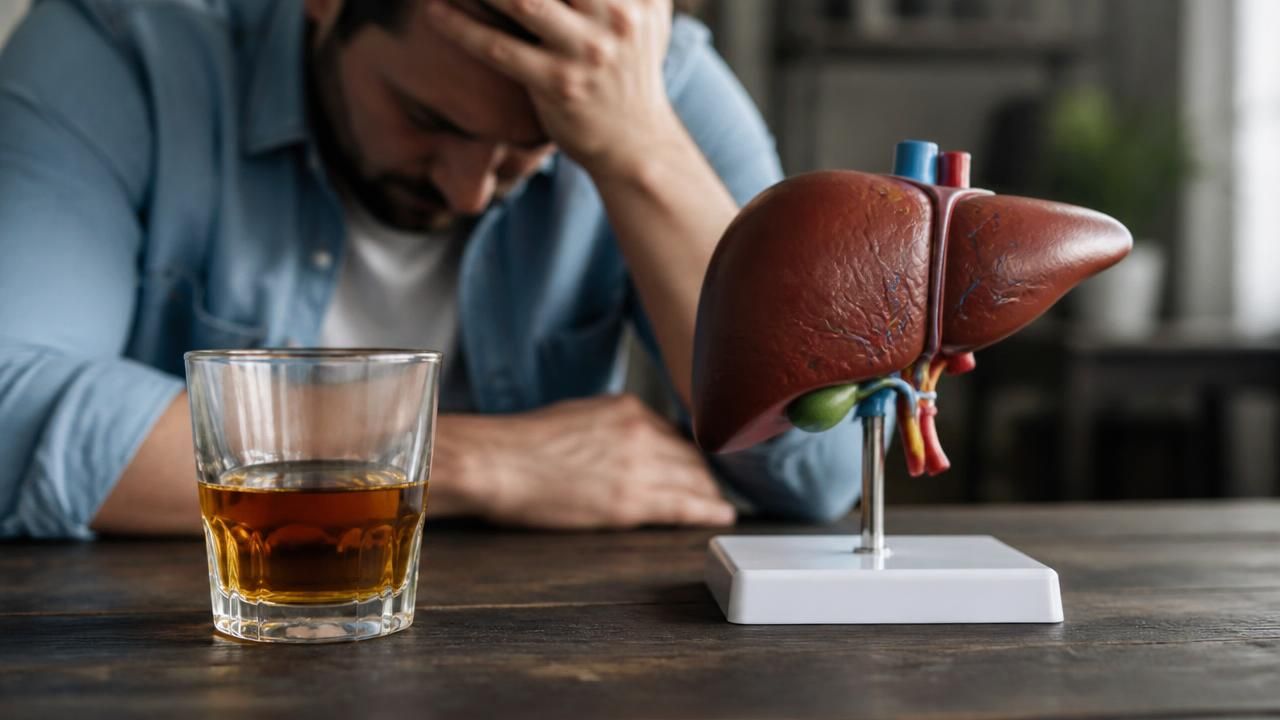
For decades, the message about alcohol has been muddled: a glass of red wine is good for the heart, a nightcap helps you sleep, and moderate drinking is a harmless pleasure. But a wave of new research is dismantling those assumptions, revealing a far more complex and sobering picture. The latest findings, published by scientists at the University of Illinois Urbana-Champaign, show that long-term alcohol use can suspend liver cells in a regenerative limbo, preventing the organ from repairing itself even after drinking stops. It is a discovery that could reshape how we understand alcohol-related liver disease—and how we treat it.
A Stalled Repair System
The liver is famously resilient. It can regenerate after injury, bouncing back from bouts of heavy drinking or hepatitis. But in chronic alcohol-related liver disease, that repair process fails. The Illinois team, led by professor of cell and developmental biology, found that damaged liver cells remain trapped in a state of arrested development—unable to divide, unable to die, and unable to be replaced. The culprit is inflammation-driven RNA errors, which disrupt the normal lifecycle of hepatocytes, the liver's primary cells.
This mechanism, described in a paper published in Science Daily and the university's news bureau, explains why some patients don't improve even after they sober up. The liver isn't just scarred; it's locked in a cellular dead-end. The researchers identified a signaling pathway that, when blocked in mouse models, restored the liver's ability to regenerate. This offers a potential drug target for the estimated 25% of heavy drinkers who develop advanced liver disease.
Our findings suggest that even after the insult of alcohol is removed, the liver cells are unable to resume their normal function. This opens the door to therapies that could wake these cells up, rather than just telling patients to stop drinking.
The study add to a growing body of evidence that alcohol's damage can be more persistent—and more insidious—than previously thought. It also helps explain a clinical mystery: why some heavy drinkers develop cirrhosis while others don't. Genetic and environmental factors play a role, but the new research suggests that the liver's own inflammatory response is key.
The Shifting Consensus on Moderate Drinking
This mechanistic insight arrives amid a broader scientific reckoning over alcohol. The idea that moderate drinking—one drink a day for women, two for men—is heart-healthy has been debunked by recent large-scale studies. In 2023, the New York Times reported that even a little alcohol can harm health, and Stanford University researchers declared the 'moderate drinking is healthy' notion outdated. They point to genetic studies showing that light drinkers have lower heart disease risk than abstainers, but that this may be due to other lifestyle factors, not alcohol itself.
The World Health Organization has classified alcohol as a Group 1 carcinogen, alongside tobacco and asbestos. A 2024 review in Nature linked alcohol to at least seven types of cancer, including breast, colon, and liver. The Surgeon General has called for new warning labels on alcoholic beverages, akin to those on cigarettes. Columbia University's magazine calls the new consensus 'The Myth of Moderate Drinking.'
How Much Damage Can Be Reversed?
If the liver gets stuck in limbo, can quitting alcohol still help? Yes, but timing matters. According to CNN, many of alcohol's health risks can be mostly reversed—if you stop sooner than later. For mild liver disease, abstaining can halt the progression and allow some repair. A study of more than 60 alcohol-caused diseases, reviewed by neurosciencenews.com, found that most conditions—from high blood pressure to cognitive impairment—show improvement within weeks to months after stopping. Even one month of abstinence, as demonstrated in BBC's Trust Me, I'm a Doctor, can lower blood pressure, improve insulin resistance, and reduce cancer-related growth factors.
The skin also benefits, as Women's Health notes: alcohol dehydrates and inflames, so quitting can reduce puffiness and improve elasticity. Science Focus goes further, suggesting that giving up alcohol may slow biological aging by reducing oxidative stress and protecting telomeres.
But the liver is the most dramatic example. In early-stage fatty liver disease, a condition that affects up to 30% of American adults, removing alcohol can allow fat to clear from the organ within months. However, if the disease has advanced to fibrosis or cirrhosis, the damage may be irreversible—precisely because cells are trapped in that limbo state. This is why early intervention is critical.
Can Exercise and Coffee Offset the Risks?
No one is suggesting that exercise gives you a license to drink. But research from National Geographic and Futura-Sciences indicates that regular physical activity can mitigate some of alcohol's cardiovascular and metabolic effects. Exercise reduces inflammation, improves insulin sensitivity, and boosts liver enzymes. One study found that active heavy drinkers had lower liver fat than sedentary non-drinkers, though their risk was still elevated compared to abstainers.
Another surprising ally: coffee. Multiple studies, including one highlighted by Science Daily, show that coffee drinkers have lower rates of liver fibrosis, cirrhosis, and liver cancer. The protective effect is dose-dependent, with four cups a day offering the most benefit. Compounds in coffee, such as polyphenols and caffeine, appear to block the same inflammatory pathways that alcohol triggers.
This doesn't mean you can cancel out a bottle of wine with a latte. But for those who choose to drink, the 'healthiest' way, according to experts, is to minimize intake, never binge, eat before drinking, and pair alcohol with exercise and coffee as part of a healthy lifestyle.
New Ways to Think About Alcohol
The new science is also reframing public health advice. The dietary guidelines for Americans are under revision, and the current 'moderate drinking' threshold is being challenged. The Lancet has published studies suggesting there is no safe level of alcohol consumption for overall mortality risk. Meanwhile, alcohol-free alternatives are booming, from cannabis drinks, compared by Harvard Health to alcohol, to zero-proof spirits.
For individuals, the message is nuanced. 'The healthiest amount of alcohol is none at all,' says Dr. Timothy Naimi, a physician and alcohol researcher at the University of Victoria. 'But we also need to be realistic. For people who drink, reducing intake is better than doing nothing.'
The new liver research offers a powerful motivator. Knowing that alcohol can permanently disable the organ's repair machinery—even after you quit—might make that second glass easier to refuse. And for those already diagnosed with fatty liver or early fibrosis, it offers a clear path: stop now, before the cells fall into limbo.
The Bottom Line
The science on alcohol is settling into a clear hierarchy: no drinking is best for your health, but any reduction is beneficial. The liver limbo discovery is a stark reminder that alcohol's effects are not fully reversible. But it also points to a future where medications could revive those trapped cells, giving patients a second chance even after years of drinking.
Until then, the advice remains straightforward: if you drink, do it less. Your liver—and the rest of your body—will thank you.