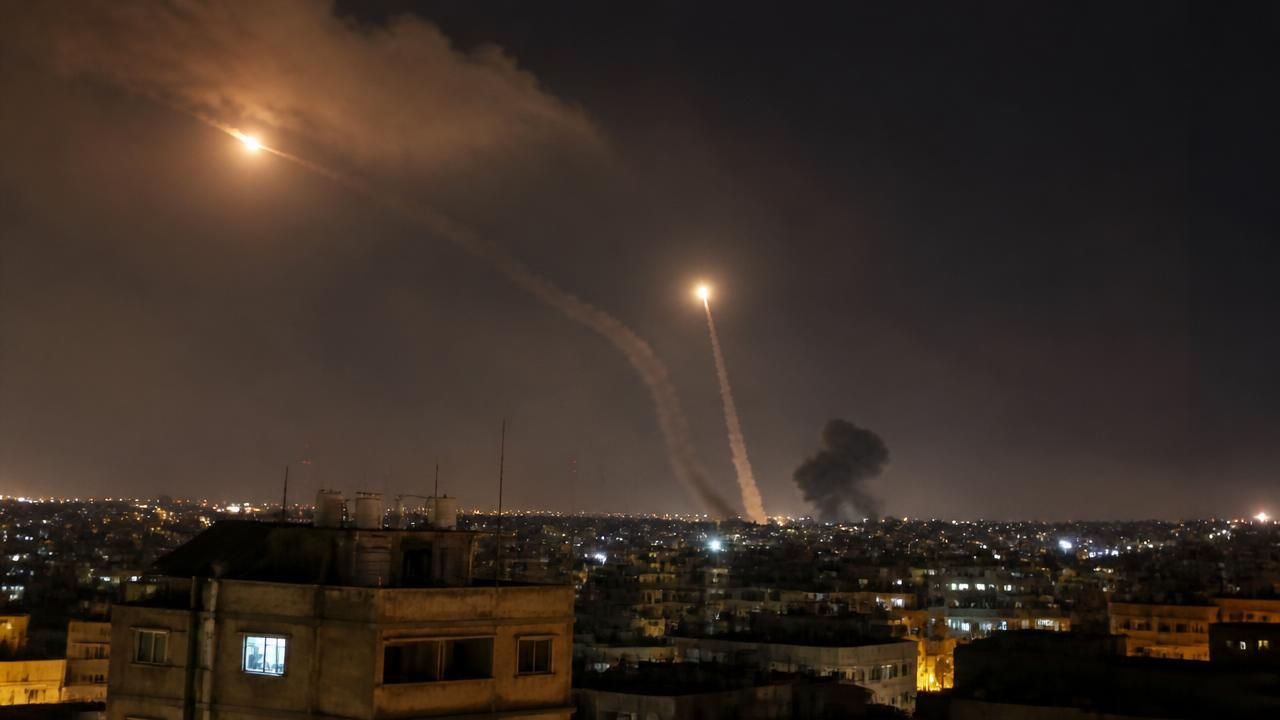
The United States and Iran exchanged military strikes on Tuesday, ending a roughly month-long lull and reigniting fears of a broader Middle East conflict. American forces bombed Iranian rocket launchers on Larak Island in the strategic Strait of Hormuz, prompting Tehran to retaliate with missile attacks on US-linked targets in Jordan and the United Arab Emirates. The escalation, which marks the first major US-Iran firefight in weeks, sent oil prices soaring and global stock markets tumbling.
Details of the Exchange
According to multiple reports, the US strike targeted Iranian rocket launchers positioned on Larak Island, a small island in the Strait of Hormuz through which about a fifth of the world's oil passes. The Pentagon described the operation as a defensive measure to protect American assets and shipping lanes. Iran responded within hours, launching missile barrages at US bases in Jordan and the UAE. The Iranian government vowed a "decisive response" and warned of further retaliation if the US continued its strikes.
Al Jazeera reported that Iran attacked Jordan and the UAE after the US bombing of Larak Island, while Bloomberg noted that this was the first exchange of attacks in about a month. The New York Times described the overnight strikes as a significant military escalation after a period of relative calm. The Guardian's live blog characterized the flare-up as a "six-month war reigniting over the Strait of Hormuz."
Context and History
The US-Iran conflict has simmered for years, but the recent round of hostilities began six months ago with clashes over oil shipping and regional proxy forces. A fragile ceasefire had held for roughly a month, until Tuesday's strikes. The strategic importance of the Strait of Hormuz—a narrow waterway between Iran and Oman—makes any disruption to shipping a major concern for global energy markets and the world economy.
The strike on Larak Island is particularly significant because it sits deep inside the Gulf, far from the main shipping lanes, suggesting the US is willing to target Iranian assets closer to the Iranian mainland. Iran's retaliatory attacks on Jordan and the UAE, both American allies, demonstrate its capacity to strike US partners across the region. US officials insisted the Strait of Hormuz remains open, but the threat of further attacks has raised doubts about the safety of commercial shipping.
Market Reaction: Oil Up, Stocks Down
Financial markets reacted sharply to the news. Crude oil prices jumped by more than 3% in early trading, with Brent futures crossing $90 per barrel for the first time in months. The threat of a broader conflict that could disrupt supplies from Saudi Arabia, Iraq, and other Gulf producers drove the rally. According to Bloomberg's "The Opening Trade" segment on August 31, oil rose as the US and Iran exchanged attacks, while equities were mixed after Federal Reserve Vice Chair nominee Kevin Warsh made remarks about monetary policy.
Stock markets in Asia and Europe fell, with airline and shipping stocks particularly hard hit. US stock index futures also pointed to a lower open. The dollar strengthened against most major currencies as investors sought safe-haven assets. Gold prices rose, reflecting heightened geopolitical risk.
"The market is pricing in a real risk of supply disruption in the Gulf," said an energy analyst at a major trading house. "If the Strait of Hormuz is closed for any significant period, you could see oil spike to $120 or more."
Political and Diplomatic Fallout
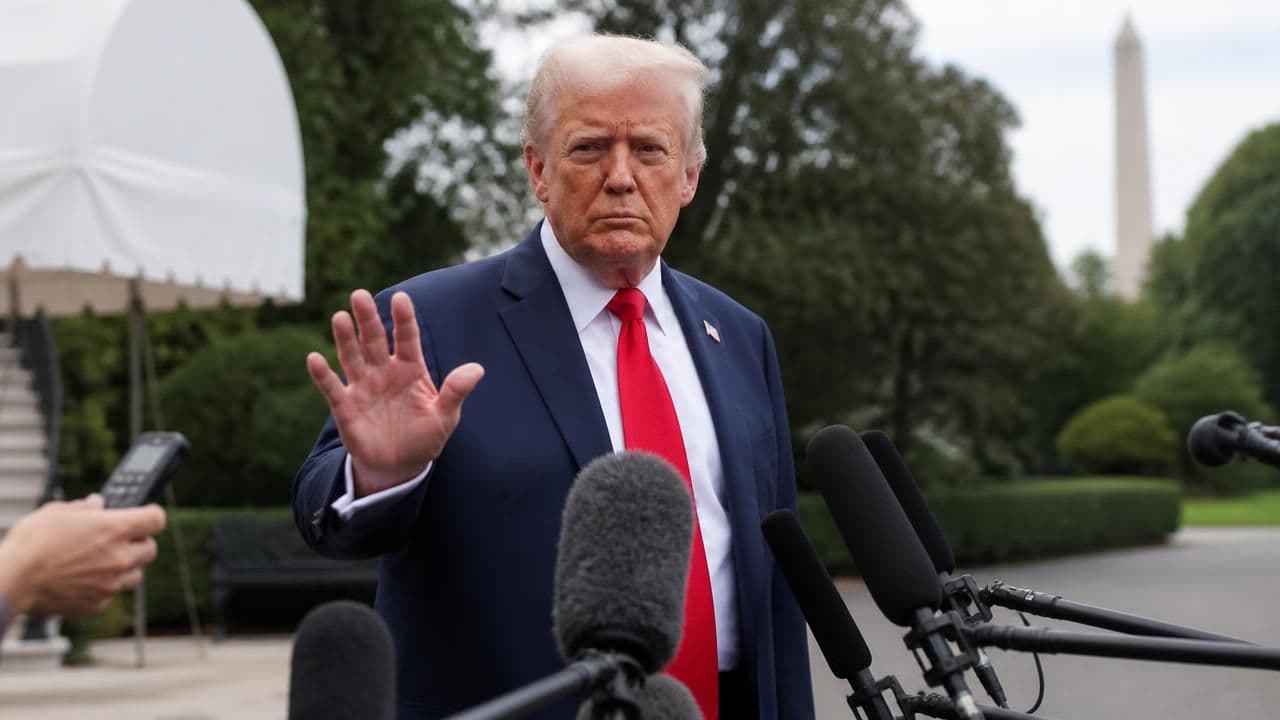
The escalation comes amid a turbulent diplomatic backdrop. President Donald Trump, who has oscillated between offering diplomacy and issuing threats, said an interim nuclear deal with Iran is "over" and threatened to strike a strategic oil hub if Tehran continued its provocations. The Hill reported that US-Iran strikes intensified after Trump's declaration.
Secretary of State Marco Rubio, meanwhile, told lawmakers that the US would not swap sanctions relief for freedom of navigation in the Strait of Hormuz, rejecting any suggestion of a quid-pro-quo. Reuters quoted Rubio as saying, "We won't trade away our leverage for a promise that may not be kept."
Israel-Iran Dimension
The US-Iran firefight is intertwined with a separate conflict between Israel and Iran. According to the New York Times, Israel halted its strikes on Iran after Trump claimed progress toward nuclear talks, but Iran and Israel also exchanged strikes for the first time since April's ceasefire. PBS reported that missile strikes between Israel and Iran threaten the fragile ceasefire, and France 24 described the situation as a "self-created nightmare for Trump." The Guardian noted that US and Iranian strikes continue for a second day as the ceasefire appears close to collapse.
This multi-front escalation complicates American diplomacy. While the US seeks to pressure Iran over its nuclear program and regional militias, it also wants to avoid a full-scale war that would destabilize the Gulf and drive up energy prices ahead of next year's election. Analysts say Iran may be testing the limits of US resolve, calculating that Washington will not risk a prolonged conflict.
Reaction from the Region and the World
Regional powers are treading carefully. Saudi Arabia and the UAE have called for restraint, while Iraq—already hosting US forces—warns of further instability. The UAE, hit directly by Iranian missiles, condemned the attacks and called for international action. Jordan, also targeted, placed its military on high alert. In Iran, state media celebrated the strikes as a successful defensive response, while opposition voices expressed fear of a devastating war.
International observers, including the United Nations and European Union, urged both sides to de-escalate. The failure of diplomatic efforts to revive the 2015 nuclear deal has left the region on a knife's edge. Wikinews, in a separate article, reported on a proposal for Iran to reduce nuclear enrichment in exchange for sanctions relief—an idea that appears increasingly distant amid the current hostilities.
What Comes Next?
The immediate risk is further escalation. The US has not ruled out additional strikes on Iranian infrastructure, including oil export facilities and naval assets. Iran has promised "decisive" retaliation, which could involve cyberattacks, renewed drone strikes on Gulf oil infrastructure, or even attempts to close the strait. The Pentagon announced the deployment of additional warships and air defense systems to the region, signaling that more conflict is possible.
For global markets, the key variable is whether supply is disrupted. So far, no oil tankers have been hit, and the strait remains open. But insurance premiums for ships in the Gulf have already spiked, and some shipping companies are considering rerouting via the Red Sea—which carries its own risks. The economic impact of a prolonged standoff would be severe, stoking inflation and slowing global growth.
"We are in uncharted waters," said a Gulf-based political analyst. "Both sides are showing they can strike back, but neither seems willing to walk back from the brink. The risk of miscalculation is extremely high."
The coming days will be critical. If the US holds fire and Iran signals restraint, a temporary de-escalation might be possible. But with Trump also pushing for a hard line and Israel pursuing its own agenda, the path to diplomacy is narrow. The world is watching—and so are the oil markets.