An unusual geopolitical dispute is brewing along the U.S.-Canada border, and it involves a body of water that has borne the name Lake Ontario for centuries. President Donald Trump's suggestion to rename Lake Ontario as “Lake America” has ignited a firestorm of opposition from Canadian officials, Indigenous communities, and even tech giants caught in the crossfire.
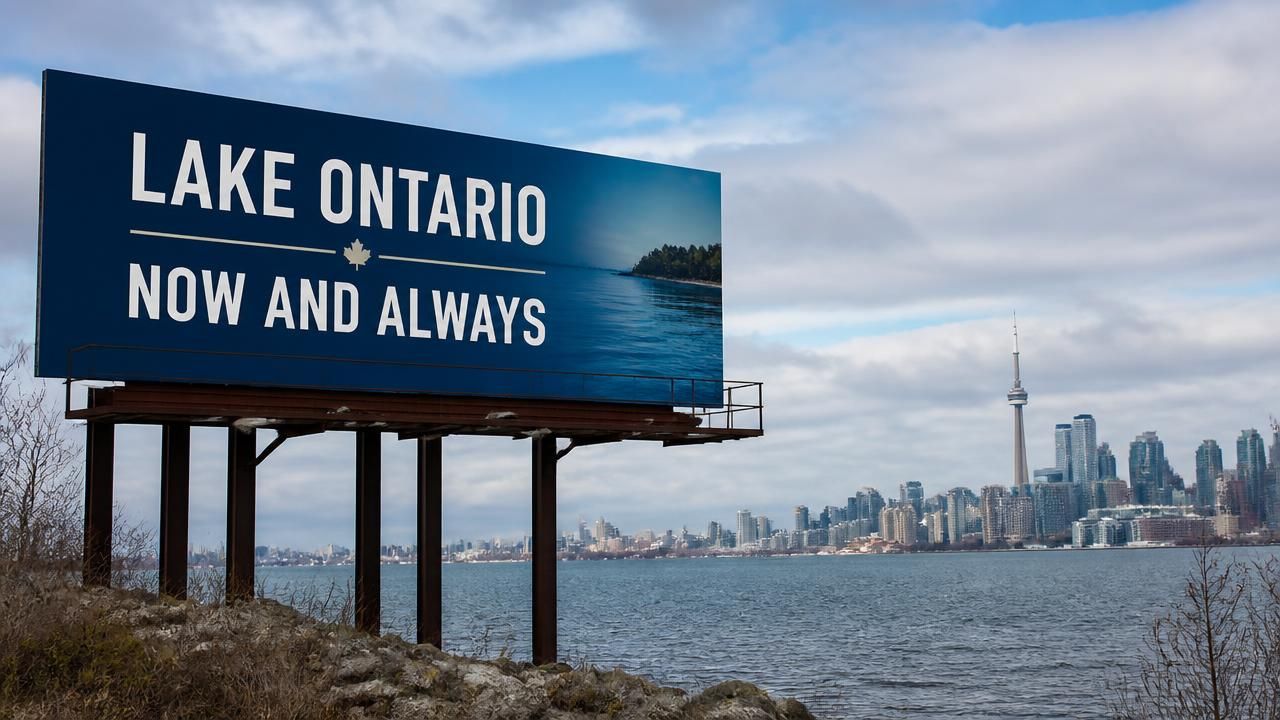
Ontario Premier Doug Ford responded defiantly this week by unveiling a massive billboard reading: “Lake Ontario — Now and Always.” The sign, visible near the lake's shoreline, is a direct rebuke to Trump's demand, which emerged amid escalating trade tensions between the two nations. The move has drawn sharp reactions from environmentalists, historians, and Indigenous leaders who view the renaming as an act of cultural erasure.
Background: A Lake Steeped in History
Lake Ontario is the smallest of the five Great Lakes by surface area, yet it holds profound historical and ecological significance. Its name derives from the Iroquois word ontarí:io, meaning “great lake” or “beautiful lake.” The lake has been a vital resource for Indigenous peoples, including the Haudenosaunee (Iroquois) and Wyandotte (Huron) nations, for millennia. European explorers later adopted the name, and it has remained unchanged across centuries of cartography.
Trump's proposal to rebrand the lake as “Lake America” appears to be part of a broader nationalist agenda, echoing his 2020 promise to rename the Gulf of Mexico to the “Gulf of America.” Critics, however, see it as a provocative gesture that undermines cross-border cooperation and ignores the lake's shared stewardship by two sovereign nations.
Canada Fires Back
Premier Ford's billboard is just the latest salvo in a rapidly escalating war of words. “Lake Ontario has been here long before any of us, and it will be here long after,” Ford told reporters. “You can't just rename history because you have a grudge.” The billboard, photographed by the Canadian Press, has gone viral on social media, with many Canadians using the hashtag #NowAndAlways to show solidarity.
The Ontario government has also signaled that it will formally protest any attempt to change the name on official U.S. maps. “This is not just a symbolic issue,” said a provincial spokesperson. “It's about respecting the shared heritage and geography that bind our two countries.”
Google Caught in the Middle
In a surprising twist, tech giant Google announced it would rename Lake Ontario to “Lake America” for users accessing its maps from the United States. The decision, which appears to comply with Trump's demand, has been met with widespread criticism. Canadian users will still see “Lake Ontario,” but U.S. users will see the new name—a digital reflection of the political divide.
Google's move has sparked debate about the role of tech companies in geopolitical disputes. Some argue that Google is merely following standard practice of using official government designations, while others accuse the company of pandering to political pressure. “This is a dangerous precedent,” said a technology policy analyst. “If corporations start renaming geographic features based on presidential whims, we lose a sense of objective reality.”
“Google is renaming the lake for U.S. users, as President Trump demanded.” — NPR Politics
The company has not issued an official statement, but internal sources suggest the decision was made to avoid legal complications. Meanwhile, Canadian officials have called on Google to restore the original name, with some threatening to block the service in Canada.
Indigenous Leaders Speak Out
Perhaps the most poignant criticism has come from Indigenous communities. The Wyandotte Nation, whose ancestral lands include the Great Lakes region, has condemned the renaming as an assault on their history. “Lake Ontario is a living testament to our people's presence and resilience,” said a Wyandotte Nation leader. “Changing its name to 'Lake America' erases Indigenous history and replaces it with a colonial narrative.”
The Wyandotte, also known as the Huron, were among the first peoples to encounter European settlers in the region. Their connection to the lake is deeply spiritual, and many of their oral traditions reference its waters as a source of life. The proposed rename has prompted calls for federal protection of Indigenous place names across North America.
Historians echo these concerns. “Place names are not arbitrary labels; they are repositories of memory and identity,” said Dr. Margaret Chen, a geography professor at the University of Toronto. “To change a name that has existed for centuries is to erase the very people who gave it meaning.”
Trade War Backdrop
The rename controversy is unfolding against a backdrop of intensifying trade tensions. Canada recently hit back at the U.S. with retaliatory tariffs on American goods, following Washington's imposition of duties on Canadian steel, aluminum, and agricultural products. The dispute has strained relations between the two countries, and many analysts view Trump's lake rename as a deliberate provocation.
“This is not about geography; it's about power and leverage,” explained trade expert Sarah Mitchell. “By attacking a symbol as innocuous as a lake, Trump is testing Canada's resolve and creating a distraction from the real economic issues at stake.”
Prime Minister Justin Trudeau has yet to comment directly on the rename, but his government has expressed solidarity with Ontario's position. “Canada will always defend its sovereignty and heritage,” said a foreign affairs official. “We will not be bullied into rewriting history.”
What Comes Next?
The fate of Lake Ontario's name remains uncertain. While the U.S. Board on Geographic Names holds authority over federal naming conventions, a change would require approval from both the Department of the Interior and Congress—a process that could take years and is unlikely to succeed without Canadian consent. Nevertheless, the debate has already had tangible consequences, from Google's map changes to the billboard in Ontario.
For now, the lake remains a shared symbol of two nations' intertwined histories. But as the trade war wages on and political rhetoric intensifies, the name on the map may become another battleground in an increasingly contentious relationship. As one Canadian social media user put it: “You can take our tariffs, but you'll never take our lake.”