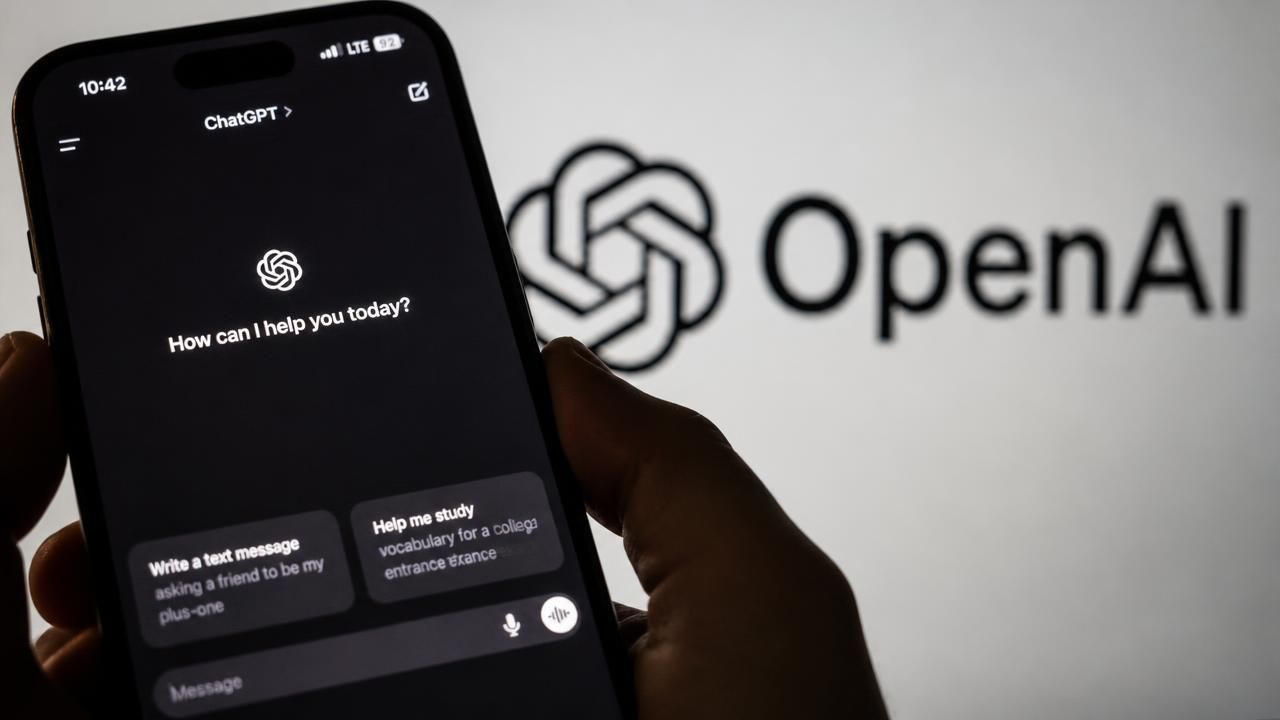
OpenAI is facing a fresh wave of legal scrutiny from state governments, after eight US states filed separate lawsuits accusing the company of harming children and misleading customers about the safety of ChatGPT. The complaints — brought by Iowa, Kansas, Nebraska, West Virginia, Arkansas, Arizona, Idaho and Montana — allege that OpenAI unlawfully prioritized profits over safety while developing and marketing its flagship chatbot.
The coordinated filings, first reported by Reuters and covered by The Verge, represent one of the broadest state-level challenges yet to a major artificial intelligence developer, and they arrive as regulators in Washington and several capitals grapple with how existing consumer-protection law should apply to generative AI.
What the states allege
According to the complaints, OpenAI violated local consumer protection statutes by failing to adequately warn users — particularly minors and their parents — about the potential dangers of ChatGPT. The states point to a growing body of private litigation filed by the families of teenagers and adults who say the chatbot played a role in the deaths or self-harm of their loved ones.
The lawsuits allege OpenAI unlawfully put profits over safety when developing ChatGPT.
Each state filed its own action rather than joining a single consolidated suit, a structure that legal observers say allows attorneys general to pursue remedies tailored to their own consumer-protection regimes — and to amplify political pressure through sheer volume. The states span the Midwest, the Mountain West and the South, a geographically and politically mixed group that suggests the issue is not breaking cleanly along partisan lines.
How the outlets frame it
Coverage of the filings has diverged in emphasis, reflecting the different audiences each outlet serves. The Verge, which broke down the story for a consumer-technology readership, centered the allegations about child safety and the claim that OpenAI "isn't safe for kids," foregrounding the human stories behind the private suits that the states cite as evidence.
Business and financial outlets, including CNBC and Seeking Alpha, framed the news primarily as an escalating legal and regulatory risk for a company whose valuation and planned expansion depend on maintaining public trust. Seeking Alpha's headline — "OpenAI's legal issues mount" — treats the state actions as one more entry in an accumulating docket rather than an isolated event. Aggregators such as MSN carried the story in more neutral, wire-service terms, emphasizing the coalition of states and the misleading-users allegation.
Taken together, the framing splits into two narratives: a child-safety story about a product used by millions of teenagers, and a corporate-governance story about a company under mounting pressure from courts, regulators and lawmakers simultaneously.
Why the timing matters
The suits land amid a broader reckoning over AI chatbots and young users. Over the past two years, parents have filed wrongful-death and negligence suits against chatbot developers, asserting that prolonged interactions with AI companions contributed to psychological harm. Those cases have prompted congressional hearings, pushes for age-verification requirements and calls for federal agencies to examine how AI systems interact with minors.
Attorneys general have increasingly positioned themselves as the frontline enforcers on AI policy, filling a gap left by the absence of comprehensive federal legislation. Consumer-protection authority gives states a comparatively low-cost tool: they need not prove a novel federal cause of action, only that a company's conduct was unfair or deceptive under state law.
The legal theory
The states' core argument is straightforward. They contend that OpenAI marketed ChatGPT as safe and appropriate for general use while possessing internal knowledge of risks to minors, and that this gap between marketing and reality constitutes a deceptive practice. A secondary thread alleges that the company failed to warn customers — a duty that exists under most state consumer-protection statutes.
- Misrepresentation: claims that public statements overstated ChatGPT's safety.
- Failure to warn: claims that parents and minors were not adequately alerted to risks.
- Profit over safety: claims that product-development decisions were driven by commercial incentives.
OpenAI has not issued a detailed public response to the new complaints. The company has previously defended its safety work and rolled out parental controls, age-prediction systems and other safeguards aimed at younger users — measures it is likely to cite as evidence of good-faith efforts if the cases proceed.
What happens next
The suits will proceed in state courts, where remedies can include civil penalties, injunctive relief and mandated changes to how products are marketed and configured for minors. A patchwork of outcomes is likely: some states may settle quickly, extracting product changes; others may litigate for years.
The bigger stakes are structural. If states succeed in establishing that AI developers carry enforceable duties to warn under consumer-protection law, the precedent could reshape how every major model provider designs, markets and documents its products — and could accelerate calls in Congress for a single federal standard that companies might find preferable to fifty separate ones.