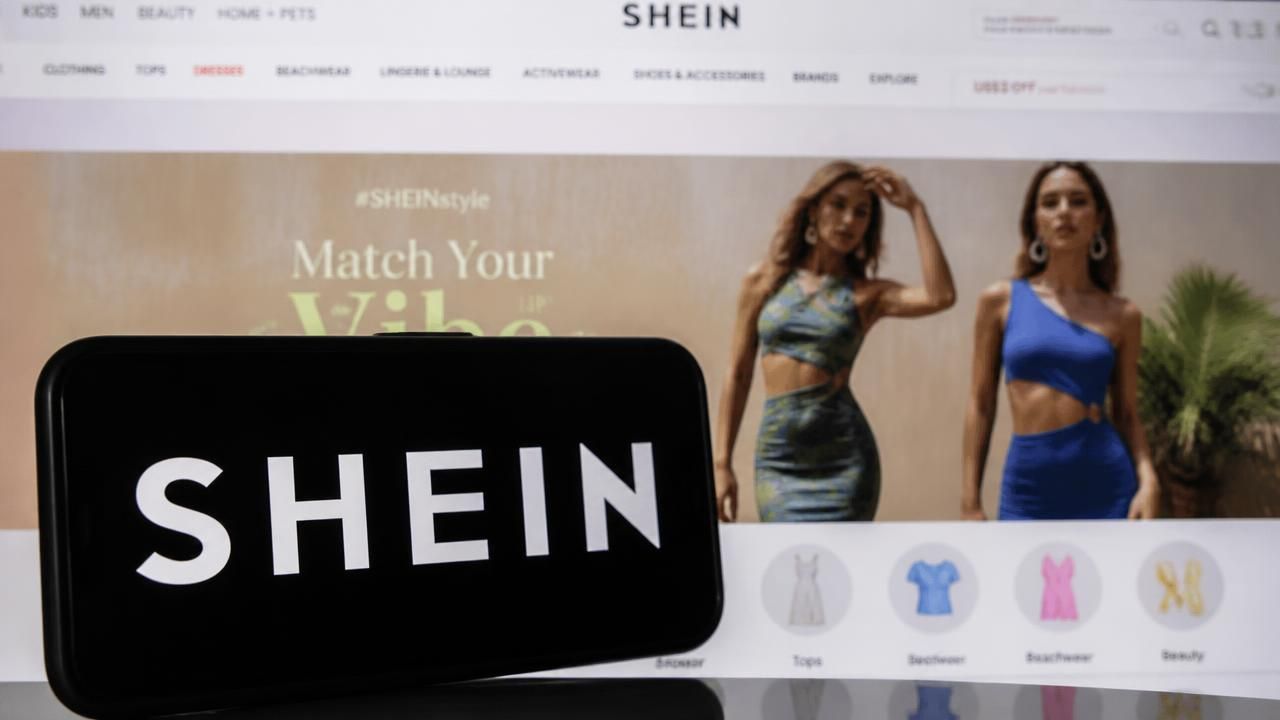
After years of regulatory hurdles, failed attempts in New York and London, and a dramatic fall from grace, ultra-fast fashion giant Shein is finally poised to go public on the Hong Kong Stock Exchange. The company is targeting a valuation of up to $27 billion in an initial public offering (IPO) set to raise as much as $1.8 billion, according to multiple reports from Bloomberg, Reuters, the BBC, and the Wall Street Journal.
The listing marks a stunning reversal for a company once valued at $100 billion in 2022, making it one of the world's most valuable private companies. Now, Shein is expected to debut at a fraction of that figure, reflecting a perfect storm of regulatory crackdowns, closing tax loopholes, and escalating tariffs on Chinese-made goods.
A Marathon Journey to Market
Shein's road to the public markets has been anything but straightforward. The company originally filed confidentially for a U.S. IPO in late 2022, but faced intense political scrutiny over labor practices, tariff exemptions, and its Chinese origins. After the U.S. Securities and Exchange Commission effectively stalled the process, Shein shifted its sights to London in early 2025. That effort also faced resistance from UK lawmakers and pressure from human rights groups, prompting the company to finally pivot to Hong Kong in mid-2025.
According to a detailed timeline by SRN News and MSN, the Hong Kong filing represents a strategic retreat to friendlier shores, where the company's supply chain and corporate structure are better understood. The IPO is being led by a star-studded legal team, including Skadden, Arps, Slate, Meagher & Flom, King & Wood Mallesons, and Maples Group, as reported by Law.com.
Valuation: A Sharp Markdown
The $27 billion target is not just a number. It reflects a harsh new reality for a company that once epitomized the hypergrowth of cross-border e-commerce. Bloomberg notes that the company is being forced to "radically remake its business model" as regulators close the de minimis tax loophole that allowed Shein to ship low-value packages into the U.S. duty-free. The Guardian described the valuation as "cut-price," while Reuters headline bluntly stated: "Fast-fashion giant Shein shrinks value to up to $27 billion."
According to sources cited by Bloomberg, the IPO order book was fully covered within hours of opening, with pricing later set at $26.5 billion, slightly below the top of the range. This suggests demand exists, but at a price that reflects considerable risk.
"Shein is having to work faster and harder," said one retail analyst quoted by the Yorkshire Post, summarizing the pressure on the company to prove profitability in a tougher regulatory environment.
Financials and Business Model Under the Microscope
Shein's Hong Kong prospectus revealed the company's financials for the first time, though specific numbers remain under embargo. What is known is that Shein has continued to grow revenue, but profit margins have been squeezed by higher logistics costs and the end of tariff exemptions. The company's ultra-fast-fashion model—churning out thousands of new styles daily—relies on a vast network of suppliers, most based in China. This model was built for a world of frictionless trade, but that world is disappearing.
Tariffs have been a particular headache. As Forbes notes, the IPO "just got harder to sell as tariffs bite." The U.S. now imposes additional duties on Chinese textiles, and the European Union is considering similar measures. This has forced Shein to diversify its supply chain into countries like Turkey, Brazil, and Vietnam, but these transitions are costly and time-consuming.
Investor Sentiment: Cautious Optimism
Despite the markdown, institutional investors have shown interest. The order book, which was "multiple times covered" according to Reuters, suggests that some investors see value in Shein's scale and data-driven approach. However, the muted valuation compared to 2022 indicates that many are pricing in significant headwinds.
"The key question is whether Shein can maintain its competitive edge in an environment where its historical advantages are being eroded," said a Hong Kong-based fund manager in an interview with the South China Morning Post, via MSN. "The IPO valuation gives it some room, but not much."
What Happens Next
Shein is expected to begin trading on the Hong Kong Exchange on September 1, according to multiple sources, though Bloomberg reported earlier that August 28 was being considered. The final date will depend on the listing approval process, which is expected to be routine given Hong Kong's more accommodating stance.
The proceeds from the IPO, estimated at $1.7-$1.8 billion, will be used to fund supply chain diversification, invest in sustainability initiatives, and potentially pay down debt. Some reports suggest Shein may also use the funds to fend off competitors like Temu, which has been aggressively gaining market share.
Broader Implications
Shein's IPO is a bellwether for the global fast-fashion industry and for Chinese tech companies seeking listings abroad. Hong Kong has been revitalized as a listing destination after a slow couple of years, and a successful debut could encourage other Chinese-founded companies to follow suit.
Yet, the steep valuation cut sends a clear signal: the era of hyper-valuations for cross-border e-commerce is over. As Bloomberg put it, Shein is being forced to "remake" itself not just operationally, but financially. Whether it can thrive as a public company remains to be seen, but its journey to this point is a cautionary tale about the perils of regulatory arbitrage.
- IPO target: Up to $27 billion valuation, raising up to $1.8 billion.
- Peak valuation: $100 billion in 2022.
- Listing venue: Hong Kong Stock Exchange, expected debut September 1.
- Key advisors: Skadden, King & Wood Mallesons, Maples Group.
- Challenges: Tariffs, tax loophole closures, regulatory scrutiny, competition.
For now, all eyes are on Hong Kong. As Shein's shares start trading, the real test begins: can a company built on speed and scale convince public investors that it can also deliver durable profits? The answer will shape not just Shein's future, but the entire fast-fashion sector.