Global financial markets have been thrown into disarray as investors grapple with a one-two punch of hawkish Federal Reserve signals and a sudden geopolitical breakthrough. Asian stocks dropped, oil prices whipsawed, and silver tumbled as Federal Reserve Chair Kevin Warsh's Jackson Hole speech hardened expectations of an interest-rate hike, while a surprise US-Iran peace accord reversed earlier gains in crude. The contrasting moves underscore a market caught between tightening monetary policy and shifting geopolitical risk.
Jackson Hole Shock: Warsh's Hawkish Signal
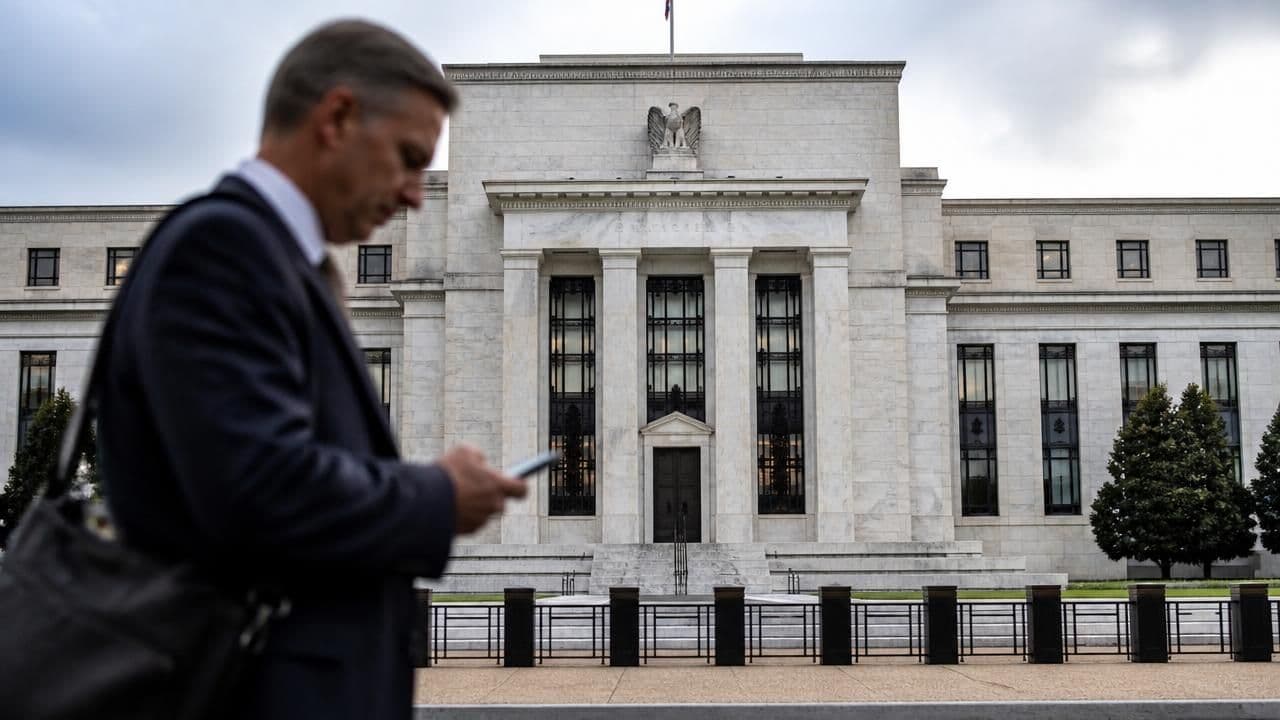
At the annual Jackson Hole economic symposium, Federal Reserve Chair Kevin Warsh delivered a tone that market participants described as unexpectedly hawkish. While the Fed kept its benchmark interest rate steady at its latest meeting, Warsh's remarks suggested that a hike could still come later this year, a projection that rattled equity markets. Bloomberg reported that Asian stocks dropped and the dollar held gains on strengthened bets for a rate increase next month, reflecting the market's rapid repricing of policy expectations.
Another Reuters dispatch confirmed that the Fed held rates steady but projected a hike for later in the year, a nuance that added to the uncertainty. The shift in tone is significant because it marks a departure from the gradual approach that had been anticipated earlier in the summer. Treasury yields rose in response, putting additional pressure on growth-oriented assets and high-valuation tech stocks.
Oil's Whiplash: From Tensions to Peace Accord
The oil market experienced dramatic reversals as two opposing forces vied for dominance. Early in the session, crude prices climbed as Middle East tensions escalated, with Bloomberg noting that oil gained on fears of supply disruptions. But the narrative flipped when reports emerged that the United States and Iran had signed a peace accord, a development that prompted a wave of selling. Reuters, in a separate headline, bluntly stated that oil prices tumbled again on the US-Iran deal.
The contradictory moves highlight the market's sensitivity to both geopolitical flashpoints and diplomatic breakthroughs. A peace deal between Washington and Tehran would likely ease restrictions on Iranian oil exports, increasing global supply and putting downward pressure on prices. Global Banking and Finance noted that Asian stocks held steady while oil fell as the accord was announced, reflecting a cautious optimism among investors that lower energy costs might offset tighter monetary conditions.
Asian Markets: Mixed Signals, Chip Slump
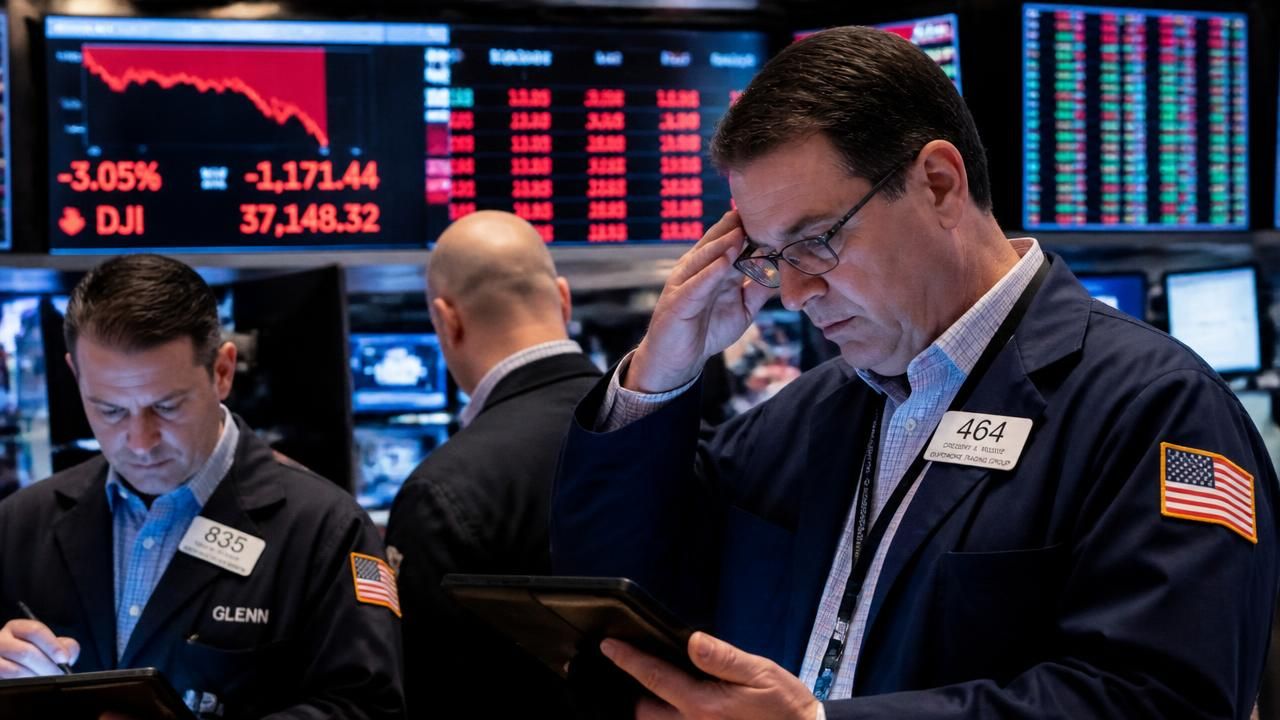
Asian equities showed no uniform reaction, with some indexes dropping sharply while others remained resilient. The tech-heavy markets faced a particular headwind from a slump in semiconductor stocks in Korea, as noted in the ts2.tech market wrap. The combination of Warsh's hawkish Fed and the Korean chip downturn led to a late trading session for the KASE index, underscoring the regional divergence. Meanwhile, the S&P 500 also fell, according to Reuters, as bond yields rose and growth stocks came under pressure.
The mixed performance reflects a deeper tension: while lower oil prices from a US-Iran deal could boost consumer spending, the prospect of higher interest rates threatens to tighten financial conditions. Investors are now weighing the likelihood of a 'higher-for-longer' Fed against the potential economic tailwinds from reduced geopolitical risk.
Commodities and Silver's Slide
Commodities were not spared. Silver, in particular, suffered a sharp decline, dropping 4% on the day. The Eastern Herald noted that Warsh's Jackson Hole speech effectively erased silver's two-month high, as the precious metal's appeal as an inflation hedge waned in the face of a more hawkish Fed. Gold and other metals followed suit, though silver's decline was the most pronounced.
The drop in silver highlights how Fed policy expectations can ripple through asset classes. As real yields rise, non-yielding assets like precious metals become less attractive. The commodity sell-off was compounded by the easing of Middle East tensions, which reduced demand for safe-haven assets.
Divergent Media Perspectives
The coverage of Thursday's market action varied significantly by outlet, illustrating the complexity of the story. Bloomberg led with the 'hawkish Warsh tone' and oil's gains, focusing on the immediate market reaction to the Fed chair's words. Reuters, by contrast, emphasized the US-Iran peace accord and its bearish impact on oil, with one report noting the S&P 500's fall. The Eastern Herald zeroed in on silver's 4% plunge, a niche but telling indicator. Meanwhile, ts2.tech highlighted the confluence of Warsh's rate shock and Korea's chip slump, providing a regional perspective often missing from Western outlets.
These disparate frames are not contradictory but rather complementary, painting a fuller picture of a market under multiple pressures. As an analyst might put it: 'The Fed and geopolitics are tugging in opposite directions, and the market is trying to find a new equilibrium.'
Looking Ahead
Investors now face a critical question: will the Fed's projected hike materialize, and how quickly will the US-Iran accord translate into increased oil supply? The immediate reaction suggests high volatility, but some see opportunities. If oil prices stabilize at lower levels, central banks may have more room to maneuver. However, if Warsh's hawkish stance is a harbinger of aggressive tightening, equity markets could face a prolonged correction.
What remains clear is that the global economy is at a crossroads. The interplay of monetary policy, geopolitics, and commodity markets will dominate the agenda in the coming weeks. For now, traders are bracing for more swings as they digest the implications of a Fed that is ready to hike and a Middle East that has unexpectedly found peace.