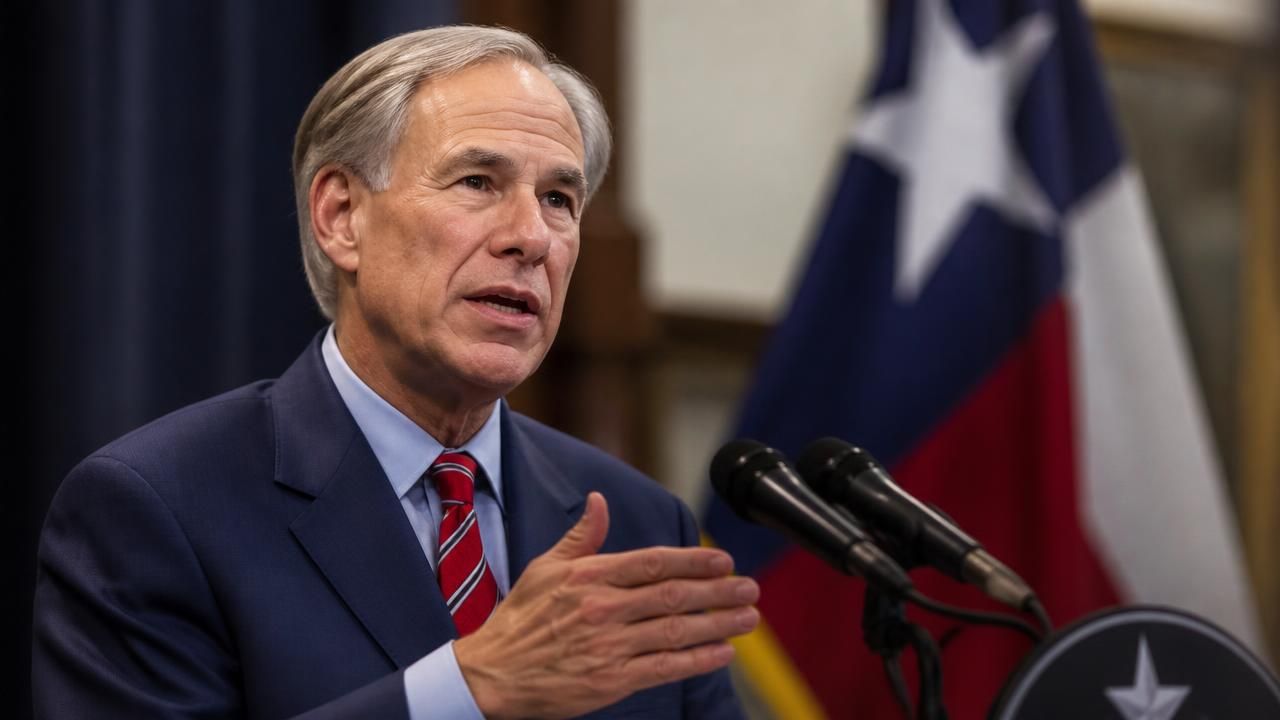
Texas Governor Greg Abbott has ordered a freeze on state spending on Flock Safety's AI-powered surveillance cameras, a surprising move that comes amid growing bipartisan concern over privacy and police misuse. The decision, announced just before the publication of a Texas Tribune investigation revealing Texas had spent over $30 million on the cameras, marks a significant shift in the state's embrace of automated license plate recognition technology.
The funding freeze applies to all state agencies and effectively halts new purchases or contracts with Flock Safety, the Atlanta-based company whose cameras have become a ubiquitous presence in American suburbs and cities. The Tribune's investigation, cited by The Verge and other outlets, found that the bulk of the $30 million was raised by tacking a $1 fee onto certain insurance policies — a levy originally marketed to consumers as a way to fight catalytic converter theft.
A Controversial Program Comes Under Scrutiny
Flock Safety cameras, which are typically mounted on utility poles or streetlights, use optical character recognition and AI to read license plates and capture vehicle metadata, including make, model, and color. The system also flags vehicles linked to wanted lists or registered stolen vehicles. While touted by law enforcement as a force multiplier, the cameras have increasingly drawn fire from civil liberties advocates, who argue that the constant surveillance erodes privacy and often disproportionately targets low-income and minority communities.
The backlash is no longer confined to progressive critics. Staunch conservatives, including gun rights advocates and small-government proponents, have joined the chorus, citing concerns about government overreach and the potential for mission creep. The Texas Tribune's investigation exposed not only the scale of spending but also a pattern of misuse by law enforcement officers in Texas and elsewhere.
“The state’s investment in Flock cameras was sold to the public as a narrowly tailored theft-prevention tool. But the data reveals a sprawling surveillance network that raises fundamental questions about how police use this technology,” said a civil rights attorney quoted in the Tribune's report.
Misuse and Accountability Gaps
The Verge reported that there have been multiple incidents of officers being placed on leave or criminally charged for misusing Flock systems. In some cases, officers accessed camera data for personal reasons, such as tracking romantic partners or harassment. In others, the data was used to target journalists or protesters. Flock Safety has attempted to address these issues with audit logs and user access controls, but critics argue that the technology is inherently prone to abuse.
The state's $30 million investment was substantial, making Texas one of the largest customers of Flock Safety in the country. The $1 insurance fee, a seemingly small amount, was quietly bundled into policyholders' bills, often without explicit consent or clear disclosure. The Tribune's investigation traced thousands of items purchased with these funds, including cameras, cloud storage fees, and subscriptions to Flock's analytics platform.
Why Abbott Acted Now
Governor Abbott, a Republican who has generally supported law enforcement technology, did not publicly explain the freeze. However, the timing — just ahead of the Tribune's investigation — suggests the administration may be seeking to preempt criticism or distance itself from a program that could become a political liability. The governor's office issued a brief statement confirming that state agencies have been instructed to suspend any further expenditures on Flock cameras pending a full review.
The move has been met with mixed reactions. Some privacy advocates have welcomed it as a first step toward greater oversight, while others note that it does not address existing deployments. Municipalities and local law enforcement agencies that have already invested in Flock cameras may continue to use them, and state funds already allocated may still be spent if contracts are already signed.
A National Pattern
Texas is not alone in grappling with the proliferation of automated license plate readers. Across the country, cities and counties have adopted Flock's technology, often with little public debate. A map published by MSN (cited in one source) reveals the hotspot areas where Flock cameras are concentrated in Texas, primarily in suburban and exurban counties around Houston, Dallas, San Antonio, and Austin. These are the same regions where concerns about privacy have been most vocal.
Civil liberties organizations have called for state-level legislation to regulate the use of surveillance technology, including mandatory retention limits, audit trails, and restrictions on data sharing. A few states have enacted such laws, but Texas has not yet done so.
What’s Next?
The freeze is likely to be a temporary measure, but it has already reverberated through the insurtech and public safety sectors. Flock Safety, which reportedly raised hundreds of millions in venture funding, may face headwinds in Texas, its largest market. The company has defended its products as effective tools for solving and preventing crime, citing cases where cameras led to arrests in hit-and-run and auto theft cases.
For now, Governor Abbott's decision represents a rare moment of bipartisan alignment: conservative skepticism of federal overreach merging with progressive concerns about privacy and policing. Whether this will lead to lasting policy changes remains to be seen, but it has already put both Flock Safety and other surveillance technology companies on notice.
As the state review proceeds, lawmakers and advocacy groups are likely to push for more transparency and stronger safeguards. The $30 million question is not just about the money — it's about the right to move through public spaces without being tracked, logged, and stored in a private company's database.
This article synthesizes reporting from The Verge, the Texas Tribune (via multiple outlets including Kcentv.com, Chron.com, DentonRC.com, and CedarNews.net), and MSN News.