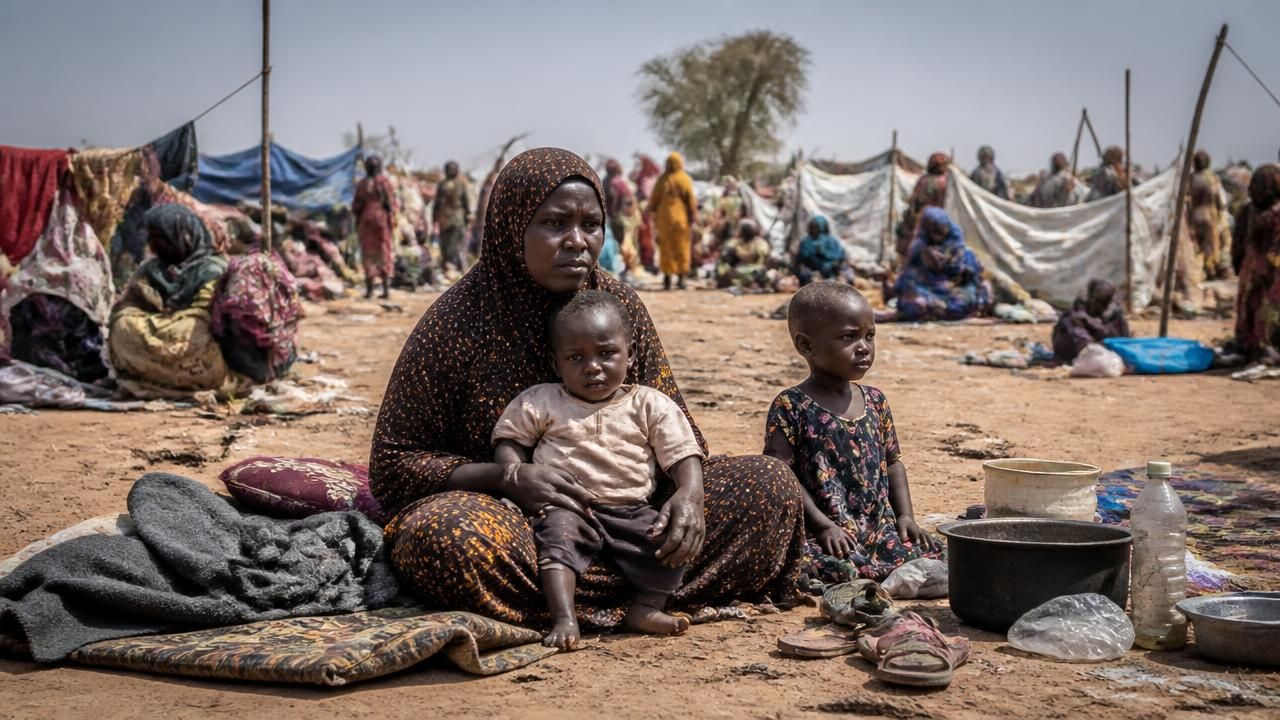
In the Sudanese city of El Obeid, humanitarian conditions have reached "dire and deteriorating" levels, according to aid workers on the ground. The city, already hosting more than 200,000 internally displaced people from earlier waves of fighting, has seen an additional 15,000 families arrive since mid-July alone, fleeing the latest escalation of the conflict between the Sudanese Armed Forces (SAF) and the Rapid Support Forces (RSF). Save the Children, citing government figures, described the camps on El Obeid's outskirts as "shockingly overcrowded," with traumatized civilians arriving daily in search of safety that is increasingly hard to find.
The warning from El Obeid is just one symptom of a broader catastrophe. The humanitarian situation across Sudan and neighboring South Sudan has been described as "catastrophic levels" by an NGO, as the war—now widely considered the world's deadliest active conflict—continues to displace millions and push entire regions to the brink of famine.
El Obeid: A City Under Strain
El Obeid, the capital of North Kordofan state, has become a refuge for those fleeing violence in Darfur and other regions. The UN says more than 15,000 families have arrived since mid-July, joining an already overwhelmed population. The Guardian reports that people on the ground describe conditions as "shockingly overcrowded," with inadequate shelter, clean water, and sanitation. Children are particularly vulnerable, with malnutrition rates soaring.
"More traumatised civilians are arriving every day at 'shockingly overcrowded' El Obeid and camps on its outskirts," reported The Guardian, quoting local humanitarian workers.
The influx is straining limited resources. Aid agencies are struggling to provide even basic services, and the approaching rainy season threatens to worsen outbreaks of disease.
A Regional Crisis: South Sudan on the Brink
Sudan's conflict is having a deeply destabilizing effect on its neighbors, particularly South Sudan, which is already grappling with its own political and economic crises. The World Health Organization's Public Health Situation Analysis for South Sudan highlights the fragile state of the country's health system, now further burdened by refugees fleeing the fighting. Amnesty International has documented "untold suffering in South Sudan as conflict enters its fifth year," noting that renewed fighting in Juba and other areas is compounding an already dire humanitarian situation.
The IOM has appealed for $190 million to support humanitarian responses in South Sudan, where displaced populations and returnees are overwhelming host communities. The appeal underscores the regional dimensions of the crisis: as Sudan burns, its neighbors are being dragged into a vortex of displacement and need.
Funding Shortfalls and the Global Response
Despite the scale of the emergency, international funding has been woefully inadequate. Axios reports that the Sudan conflict is worsening already severely underfunded humanitarian crises. The UN and its partners have repeatedly sounded the alarm, but donor fatigue and competing global crises—from Ukraine to Gaza—have left the response chronically short. The New Humanitarian highlights the worsening food crisis, with millions facing acute food insecurity and famine-like conditions in parts of Darfur and Kordofan.
UN agencies have called for urgent funding to prevent a total collapse. MSF, which is operating in the region, notes three key facts about the crisis: the health system has collapsed, diseases are spreading, and access for aid is severely restricted. These are the realities that aid workers face on the ground.
The Deadliest War in the World
Data visualized by The Telegraph shows that Sudan's war has become the world's deadliest active conflict, with mortality figures climbing steeply since April 2023, when fighting erupted between SAF and RSF. The conflict has killed tens of thousands, displaced over 9 million people, and created the largest child displacement crisis on the planet. The intensity of the violence, including ethnic cleansing and sexual violence, has drawn comparisons to the Rwandan genocide.
The Political Economy of Conflict
Beyond the humanitarian toll, there is a grim economic dimension. As Novara Media's Joshua Craze reports, Gulf States and warring militias alike are profiting from the war. The RSF, in particular, has been linked to gold smuggling and the control of trade routes, with foreign powers backing different factions to secure influence and resources. This commercialization of the war makes it even more difficult to bring to an end, as powerful actors have a vested interest in its continuation.
"Gulf States and warring militias alike are profiting from war in Sudan," writes Joshua Craze, highlighting how the war economy fuels the violence.
What Needs to Happen
Humanitarian agencies are calling for an immediate ceasefire, unhindered access for aid deliveries, and a massive increase in funding. The international community must also address the root causes: the militarization of the state, the politicization of ethnic identities, and the external interference that prolongs the conflict. As the UN agencies put it, the situation is not just a humanitarian crisis—it is a failure of political will.
For the people of El Obeid, and for millions across Sudan and South Sudan, the world's attention is long overdue. Every day of inaction brings more suffering, more deaths, and more displacement. The time for decisive action is now.