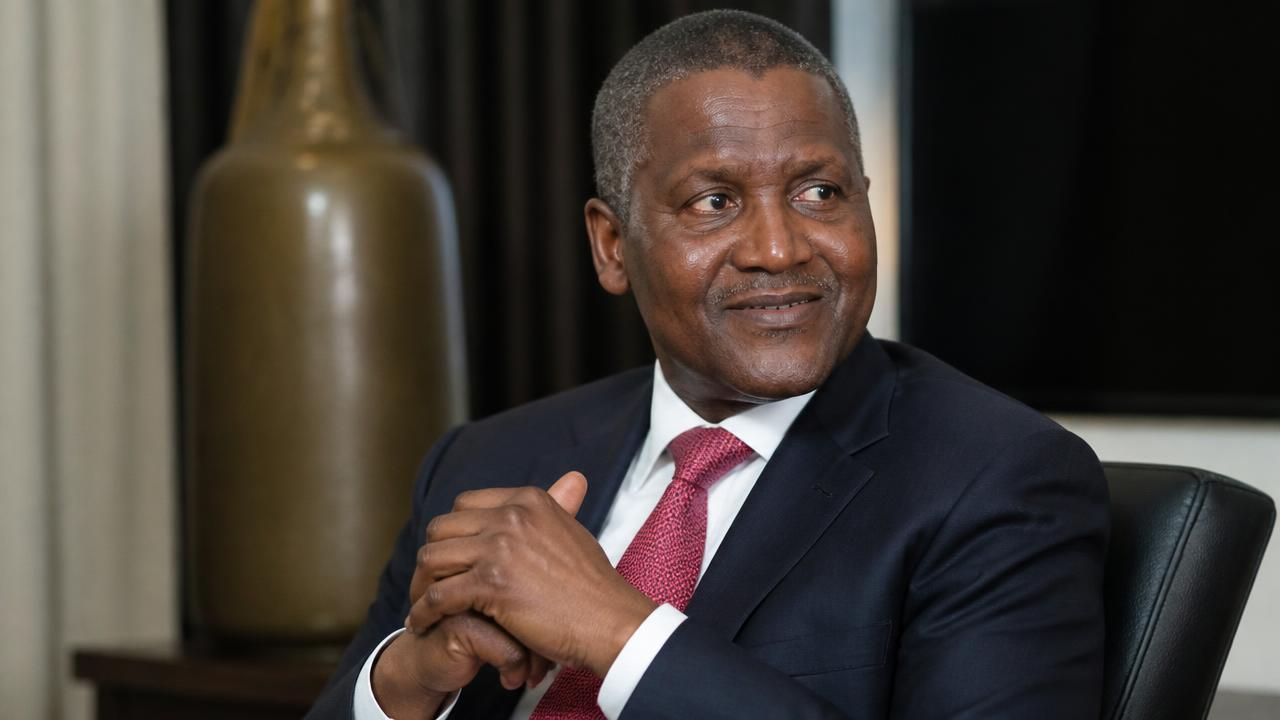
Aliko Dangote, the Nigerian industrialist who has topped Africa's rich list for over a decade, is not just a billionaire — he is an institution. With a net worth estimated at $32.5 billion to $35 billion depending on the source, he ranks 64th among the world's wealthiest people. But beyond the staggering numbers, a more nuanced story is unfolding: one of legacy, family values, and the institutionalization of African wealth for the next generation.
A Family Office in Dubai: Managing a Fortune
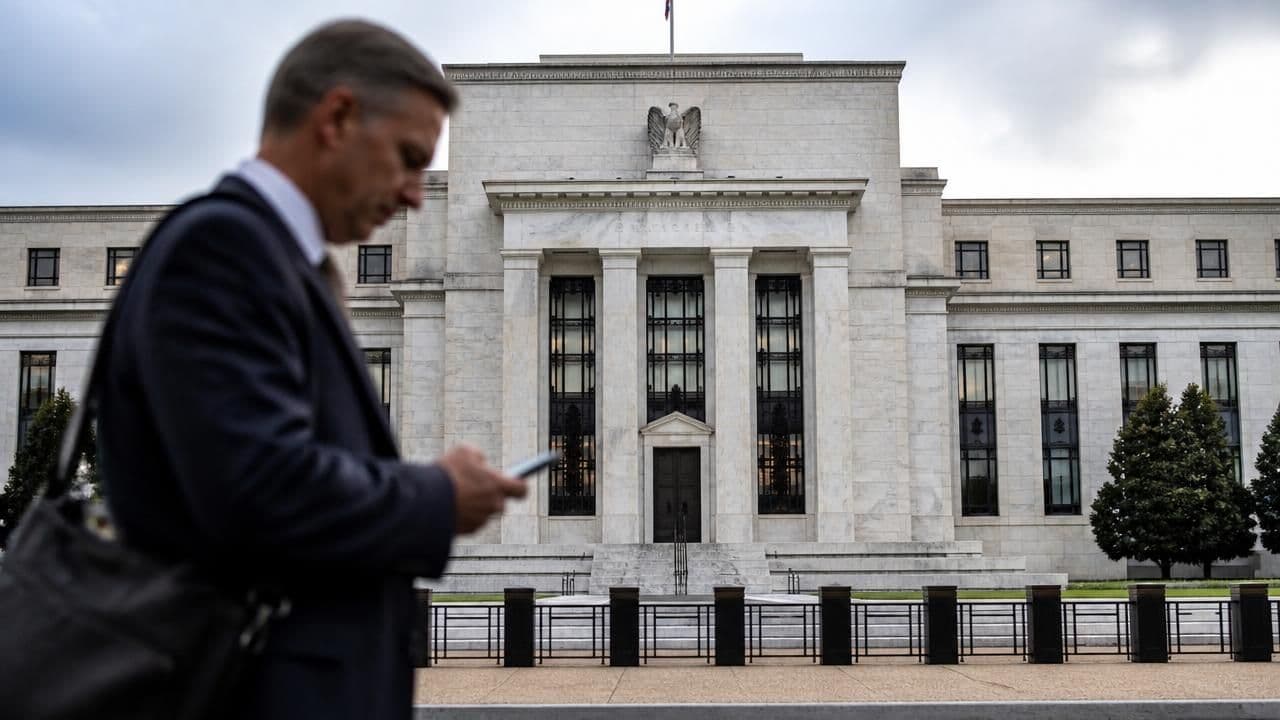
In a move that underscores the growing sophistication of Africa's ultra-rich, Dangote has reportedly established a family office in Dubai to manage his estimated $35 billion fortune. The decision, first reported by Financial Nigeria, mirrors a trend among global billionaires who seek to separate personal wealth from business operations, ensure succession planning, and safeguard assets across jurisdictions.
This institutional approach is not just about money; it's about continuity. As the World Finance report highlights, banks and financial institutions must prepare to serve a rising wave of African billionaires. The continent's wealth creation is accelerating, and with it comes the demand for private banking, wealth management, and estate planning services that were once the preserve of Western elites.
Core Lessons from a Billionaire Father
For all his business acumen, Dangote's most enduring legacy may be the values he passes to his children. In a rare intimate interview with Bloomberg, his daughters shared the core life and leadership lessons learned from their father: humility, hard work, persistence, and a steadfast belief in the vital role of women in leadership.
“He taught us that wealth is a responsibility, not a privilege,” one daughter reflected, recalling how their father emphasized discipline and the importance of staying grounded despite immense success.
These lessons are already bearing fruit. His daughter, who has been vocal about her father's philanthropic intentions, recently explained that Dangote plans to channel a significant portion of his wealth into charitable causes — a commitment that earned him a spot on Time Magazine's 100 Philanthropy list for 2025.
Philanthropy and Social Impact
Time's recognition of Dangote as one of the world's leading philanthropists is a testament to his giving philosophy. The Dangote Foundation has been at the forefront of healthcare, education, and disaster relief across Africa, with billions deployed to fight polio, support orphans, and empower women.
But philanthropy alone does not answer every critique. An investigation by the Pulitzer Center recently highlighted how big businesses and individuals in Nigeria are depleting protected forests, raising questions about the environmental footprint of rapid industrialization. While Dangote's own record on sustainability is mixed, the report serves as a reminder that Africa's wealth creators must also address the ecological and social costs of their ambitions.
The Man Behind the Billions: A Simple Lifestyle
Despite his staggering wealth, Dangote is known for his relatively simple lifestyle. A tour of his residence, featured on MSN, reveals a modest mansion by billionaire standards — a conscious choice, his daughters say, to avoid ostentation and focus on substance over show.
This simplicity is also reflected in his business philosophy. Dangote has often spoken about the role of passion, hard work, and generosity in building an empire. From cement to sugar to fertilizer, his conglomerate has become synonymous with Nigeria's economic aspirations, even as the country's policy choices have sometimes hindered or helped its path to becoming Africa's largest economy.
The Next Generation and the Wealth Wave
Dangote is not alone in this rarefied space. A growing cohort of African billionaires — from Telecom operators to mining magnates — are reshaping the continent's financial landscape. Lists of wealthy Nigerians routinely feature over 50 tycoons across industries as varied as oil, real estate, and retail. Meanwhile, the question of who is the richest kid in Nigeria has become a subject of public curiosity, as the children of these billionaires begin to step into the spotlight.
The global context is also shifting. As political movements in the West, from Trump to Brexit, have highlighted the frustrations of the working class, wealth inequality has become a central theme. For Africa's billionaires, this means navigating a delicate balance between accumulating wealth and contributing to the common good.
What Lies Ahead
Dangote's story is far from over. With a refinery that promises to transform Nigeria's oil sector, and a family office in Dubai securing his financial legacy, he is laying the groundwork for a dynasty that could outlast him. But as he told his daughters, the true measure of success is not in the size of one's fortune, but in the impact it creates.
For the rest of Africa, the lesson is clear: the era of the billionaire is here to stay. The challenge, as Dangote himself exemplifies, is to ensure that wealth becomes a force for good — and that the next generation is ready to carry the torch.