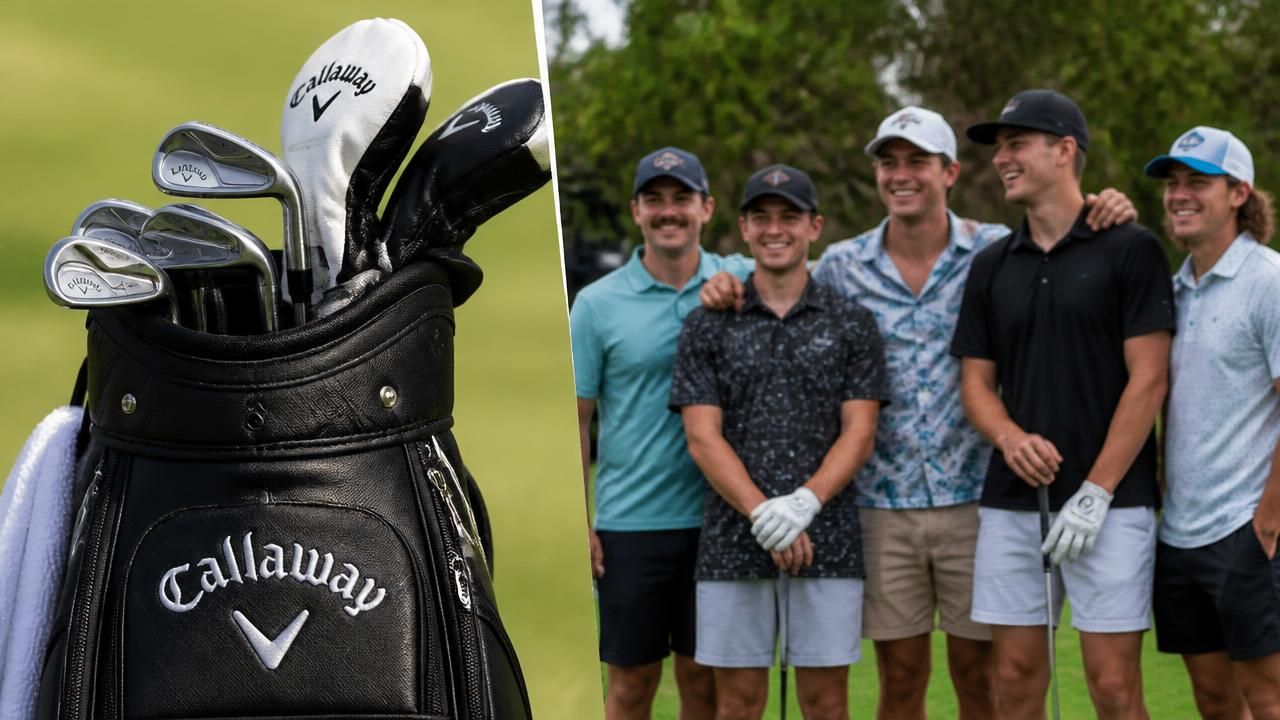
In a decisive move that underscores the growing power of social media accountability, golf equipment manufacturer Callaway has ended its partnership with the popular golf content creator Good Good with immediate effect. The decision comes after an advertising video promoted by the brand sparked widespread outrage for depicting a woman being shoved to the ground. Callaway has also pledged a $1 million donation to a women's charity, signaling a broader effort to address the criticism.
What Happened?
The controversy erupted when Good Good, a YouTube and social media collective known for its golf challenge videos and young, energetic following, released an advertisement—since deleted—that showed a woman being pushed over. Many viewers condemned the clip as sexist and demeaning, quickly turning it into a viral talking point across platforms. The backlash was immediate, with users tagging Callaway and demanding the company sever ties with the creators.
Callaway, one of the world's leading golf club manufacturers, responded swiftly. In a statement, the company confirmed the termination of its relationship with Good Good, emphasizing that the content did not align with its values. The firm also announced a $1 million contribution to an unnamed women's charity, framing the donation as a tangible commitment to supporting women in sport and beyond.
Who Are Good Good?
Good Good is a group of young, charismatic golfers who have built a substantial online following by blending trick shots, friendly competitions, and behind-the-scenes access to the sport. Their content appeals to a generation that has helped revitalize golf's image, making the brand attractive to major sponsors like Callaway. However, this incident has laid bare the risks of partnering with influencers whose content may not always meet corporate standards.
Framing the Story: How Different Outlets Covered It
The story was picked up by multiple outlets, each bringing its own perspective. The BBC focused on the corporate response and the charitable donation, framing the decision as a zero-tolerance approach to sexism. The New York Post emphasized the 'viral ad backlash,' highlighting the speed at which public opinion forced a major brand to act. MSN, meanwhile, used the phrase 'sexism row' in its headline, underscoring the social and ethical dimensions of the controversy. These varying angles illustrate how a single event can be interpreted through business, cultural, and media lenses.
"Callaway said it had terminated the partnership 'with immediate effect' and would donate $1 million to a women's charity," reported the BBC, a detail that became central to the narrative of accountability.
The Broader Context: Sexism in Golf and Influencer Marketing
This is not an isolated incident. Golf has historically struggled with inclusivity, and sexism has been a persistent issue both on and off the course. From exclusive country clubs to disparaging remarks by male players, the sport has faced repeated scrutiny. In recent years, however, a new wave of influencers has promised to modernize golf's image, appealing to diverse audiences. Yet this incident shows that old attitudes can still surface, even in seemingly progressive digital content.
The episode also highlights the precarious nature of influencer-brand partnerships. Companies are increasingly aware that the personalities they align with are extensions of their brand identity. A single misstep—even in a joke or staged scenario—can trigger a reputational crisis. For Good Good, the loss of a major sponsor like Callaway is a significant financial blow, and it serves as a cautionary tale for other content creators who may underestimate the power of their content.
Why Did Callaway Act So Quickly?
In today's hyper-connected world, brands cannot afford to appear complicit in sexist behavior. Delaying a response can lead to hashtag campaigns, boycotts, and lasting damage to consumer trust. By acting quickly, Callaway not only distanced itself from the controversy but also positioned itself as a champion of women's causes—a move that could enhance its reputation among progressive consumers. The $1 million donation reinforces this narrative, transforming a negative event into a demonstration of corporate responsibility.
Reactions and Implications
While some praised Callaway for its swift action, others questioned whether the donation was a sufficient response. Critics noted that money cannot undo the harm of normalizing violence against women, even in a fictional context. Supporters, however, argued that the donation represents a concrete step toward supporting women's organizations and sending a message that such behavior is unacceptable.
For Good Good, the fallout is immediate. Their partnership with Callaway was likely a significant source of revenue and credibility. The group has not yet issued a full public response, but they may face lasting damage to their reputation in the golf community. Whether they can rebuild trust with their audience and future sponsors remains to be seen.
Looking Ahead
This incident is part of a broader trend in which consumers and activists are holding brands accountable for the content they fund. From YouTube stars to athletes, the line between personal expression and corporate endorsement has blurred. For the golf industry, it is a reminder that the game must evolve with societal expectations. For the influencer economy, it is a lesson in responsibility—and the speed with which a career can be derailed.
As Callaway moves forward, its $1 million donation will be closely watched. Where the money goes, how it is used, and whether the company follows through on broader commitments to gender equality will determine if this response is seen as a genuine shift or a damage-control tactic. For now, the message is clear: sexist content has no place in modern sport, and brands that tolerate it will face consequences.