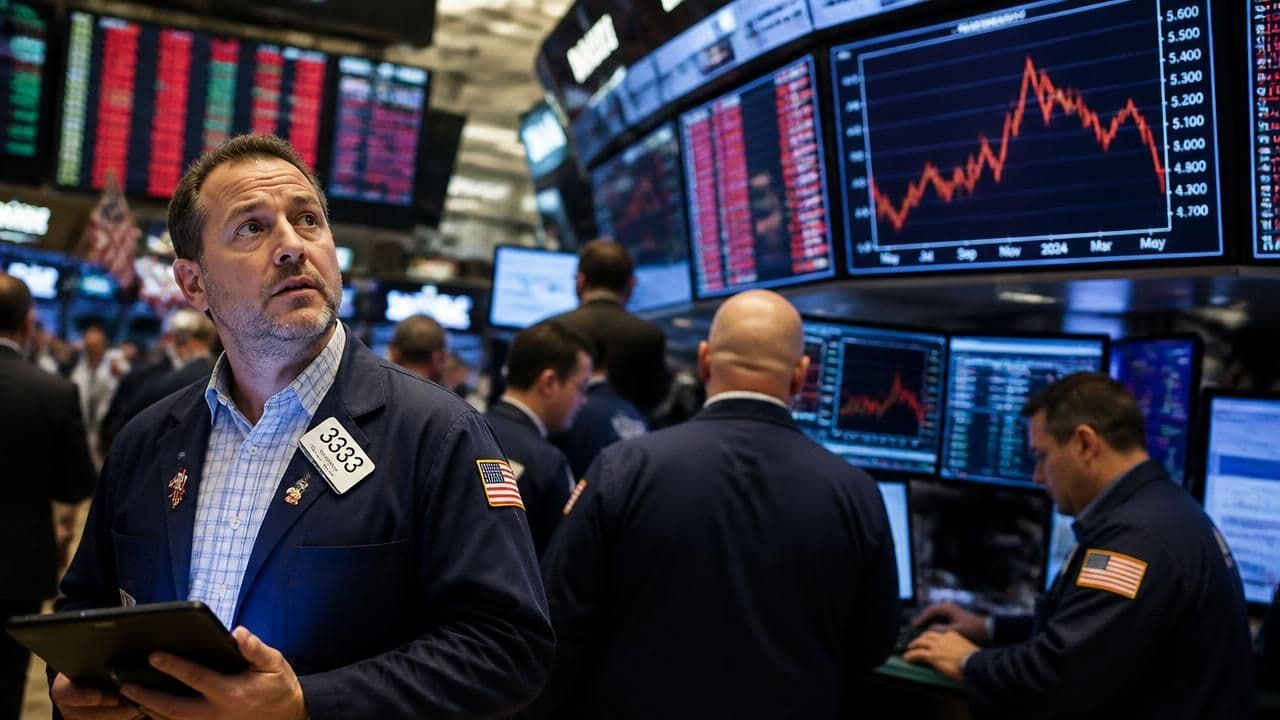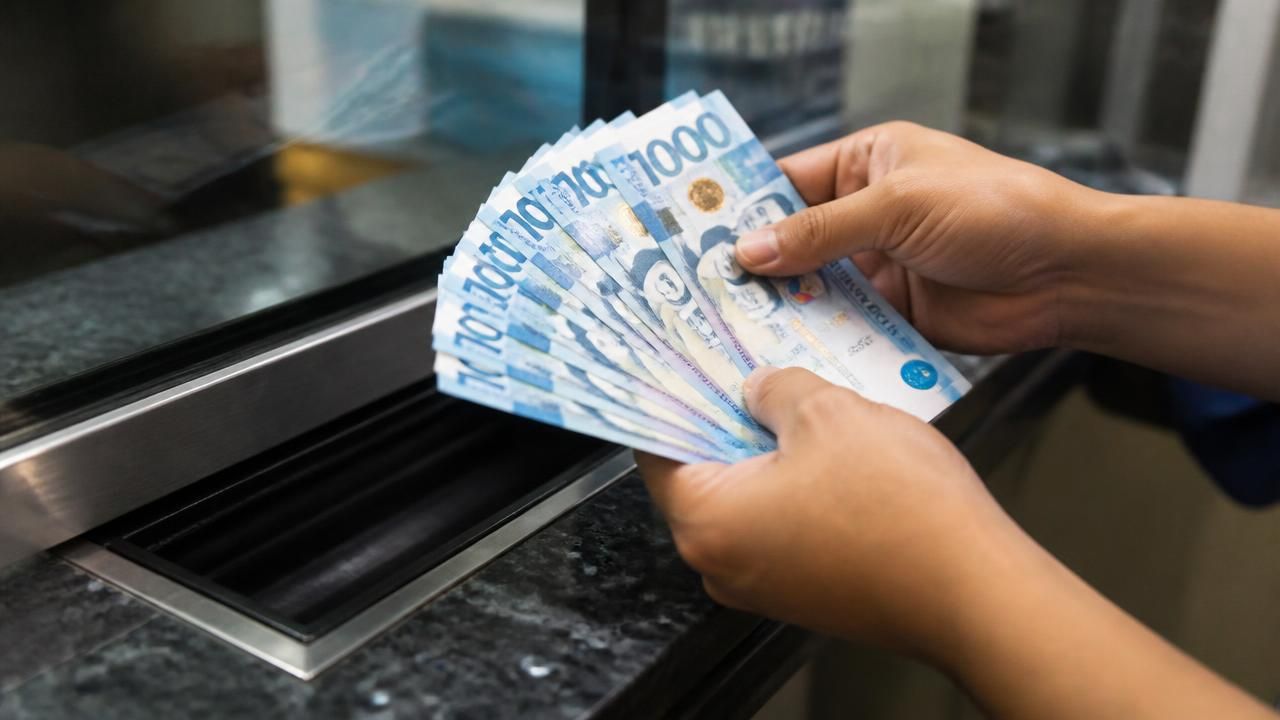
The Philippine peso tumbled past the 62-per-dollar mark for the first time on Friday, August 28, 2026, sliding to a fresh record low as surging global oil prices and a strengthening US dollar continued to batter one of Asia's most vulnerable currencies. The local unit opened at P62.05 per dollar, according to traders, after closing at a then-record P61.888 the previous day. The breach of the psychologically important 62 level adds to pressure on the Philippine Stock Exchange index, which is heading for its biggest monthly drop since March, according to Bloomberg data.
A year of record lows
Friday's slide is the latest in a stunning run of historic troughs for the peso. It is at least the twelfth time the currency has hit an all-time low this year, based on data compiled by Philippine foreign-exchange desks. The peso started 2026 just above the P59 level, where it had briefly matched the previous record low set in October 2022. Then, in March, it crossed P60 for the first time as tensions in the Middle East sent crude prices higher. By late April, it was through P61, touching as high as P61.62 intraday and closing above P61 on several sessions. Over the summer, the slide accelerated, with new milestones at P61.847 in July and P61.888 in late August before this week's push past 62.
The relentless depreciation has left the peso as one of the worst-performing currencies in emerging markets this year, even as many regional peers have stabilized or gained against the dollar.
Why the peso keeps falling
The primary driver, analysts say, is the Philippines' heavy dependence on imported crude oil. The country is a net oil importer, and global benchmark Brent crude has climbed to multi-year highs on supply concerns and geopolitical risk. Every additional dollar per barrel of oil costs the Philippines roughly $200 million more in annual import payments, forcing companies and fuel importers to buy more dollars. That persistent demand for dollars weighs directly on the exchange rate.
The peso's slide also reflects broader dollar strength. The US Federal Reserve has kept interest rates higher for longer, making dollar-denominated assets more attractive and draining capital from emerging markets. The Philippine central bank, the Bangko Sentral ng Pilipinas (BSP), has responded with rate hikes of its own — raising policy rates by a total of 425 basis points since 2024 — but the currency has kept sliding. BusinessWorld, a leading Philippine business paper, described the peso's "falling trajectory" as defying rate hike expectations, noting that monetary policy alone has not been able to offset the external shock.
Intervention risk grows
With the peso moving deeper into uncharted territory, attention has turned to whether the BSP will step in more aggressively to defend the currency. The Edge Markets, a regional financial news outlet, reported that the slide past 62 "raises intervention risk," as market participants speculate that the central bank may set a trigger level around P62.50 or P63.00. Traders have noted that the BSP has occasionally sold dollars during sharp intraday moves, smoothing rather than reversing the trend.
BSP Governor Felipe Medalla, however, has signaled a high tolerance for peso weakness. In a recent Bloomberg interview, he said: "At 63.50 per dollar, it might be okay." He argued that a weaker peso benefits exporters and overseas Filipino workers, whose remittances buy more in peso terms. His comments have been interpreted as a warning that the BSP is unlikely to burn precious dollar reserves trying to hold the line at 62.
"At 63.50 per dollar, it might be okay." — BSP Governor Felipe Medalla
Economists are divided on how much further the peso can fall. United Overseas Bank (UOB) is among the most bearish, forecasting a slide to P63 per dollar in the third quarter before a possible mild recovery. In a research note seen by the Manila Bulletin, UOB cited "oil shock exposure" and the BSP's apparent unwillingness to defend a specific level. Other forecasters, including LiteFinance and EBC Financial Group, project even more dramatic long-term depreciation, with some models showing the peso reaching 65 or higher by 2030 if structural reforms are not implemented.
What it means for Filipinos
The weaker currency has immediate and broad effects on the Philippine economy. For the roughly two million overseas Filipinos who send money home, each dollar now converts into more pesos — a welcome windfall for remittance-dependent families. But for everyone else, the falling peso makes imports more expensive, from food and cooking oil to medicines and fuel. In a country where inflation is already above target, the passthrough from a weak peso could push consumer prices higher still.
Companies with dollar-denominated debt also face rising repayment costs, which could constrain investment and hiring. The stock market has suffered as foreign investors exit, worried about currency losses eroding their returns. The benchmark Philippine Stock Exchange index is down sharply for the month, on track for its worst performance since March.
At the macroeconomic level, a persistently weak peso complicates the government's fiscal position. The Philippines has a sizable external debt, and debt servicing costs rise as the peso falls. That could crowd out spending on infrastructure and social programs, just as the economy tries to sustain post-pandemic growth.
What happens next
For now, the central bank appears willing to let the market find a clearing level for the peso. BSP officials have emphasized that they intervene only to prevent excessive volatility, not to target a specific exchange rate. That leaves the door open for further depreciation if oil prices stay elevated or global financial conditions tighten further.
"The market is testing the bounds of official tolerance," said a Manila-based currency dealer, who asked not to be named because he is not authorized to speak to the media. The dealer said importers are hedging at 63 and even 65 levels, indicating that corporations expect the peso to remain weak for an extended period.
Whether the peso eventually settles at 63, as UOB predicts, or overshoots to 65, the currency's record-breaking run appears far from over. The coming months will depend on oil prices, US interest rates, and the willingness of the BSP to accept a weaker peso as the new normal. For now, the 62 level is gone — and there is little on the horizon to suggest the peso will be clawing its way back.