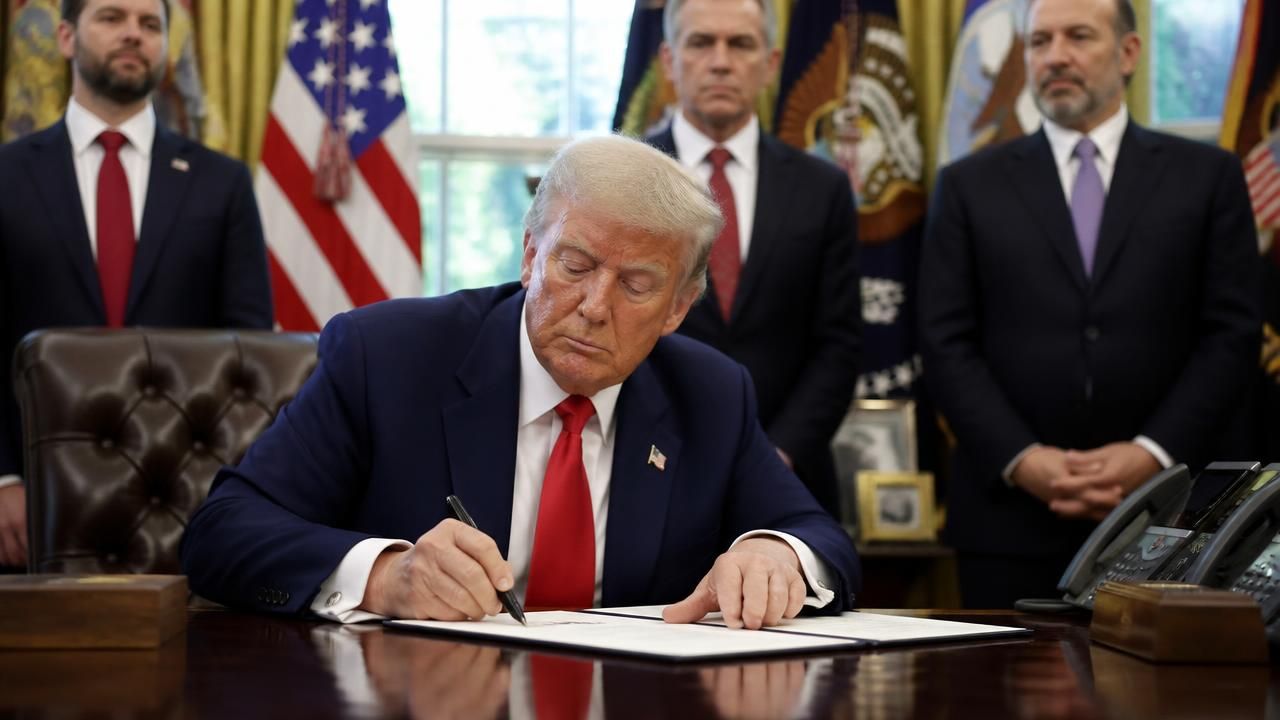
In a move aimed at easing the financial burden on American consumers, President Donald Trump has signed an executive order to reduce tariffs on certain ground beef imports. The decision, announced earlier this week, is designed to lower prices at the grocery store, but it has ignited a firestorm of opposition from domestic ranchers and rural Republican lawmakers who argue the policy could undermine the U.S. cattle industry.
The order specifically targets tariffs on "some ground beef imports," according to a Bloomberg report, though the exact countries and quota details have not been fully disclosed. The administration frames the move as a direct response to persistently high food prices, which have become a central political liability heading into the next election cycle. Ground beef, a staple in American diets, has seen significant price increases over the past year due to a combination of drought-driven herd reductions, rising feed costs, and supply chain disruptions.
A Consumer-First Policy?
Speaking to reporters, White House officials emphasized the immediate impact on household budgets. "President Trump is committed to lowering the cost of living for everyday Americans," a senior administration official said. "By easing tariffs on imported ground beef, we can increase supply and put downward pressure on prices." The move is part of a broader strategy to use trade policy as a tool to combat inflation, which has remained stubbornly above the Federal Reserve's target rate.
However, the policy has created an unusual rift within the Republican coalition, pitting the president's consumer-focused agenda against the interests of the agricultural heartland that forms his political base. Ranchers argue that the U.S. already produces enough beef to meet domestic demand, and that importing more will only depress prices for American producers while doing little to help consumers in the long run.
"This is a short-sighted solution that sacrifices American ranchers on the altar of political expediency," said Vance Howard, CEO of Howard Capital Management and owner of a working cattle ranch in Texas. "If you flood the market with cheap imported beef, you're going to drive domestic producers out of business, and then prices will spike even higher once the imports dry up."
Howard, who appeared on Bloomberg to discuss the order, warned that the move could have unintended consequences for the cattle cycle. "Ranchers operate on thin margins. When they can't sell their product at a fair price, they reduce herds. That leads to a supply shortage down the road, and consumers end up paying even more."
Rural Republicans Push Back
The backlash is not confined to the ranch gate. Several Republican lawmakers from cattle-producing states have voiced deep reservations, with some vowing to introduce legislation that would block or modify the tariff relief. They argue that the executive order bypasses congressional authority and sets a dangerous precedent for unilaterally altering trade policy.
"I understand the desire to lower prices, but this approach is fundamentally flawed," said a Republican senator from Montana, speaking on condition of anonymity. "We should be promoting American beef, not undercutting our own producers. This is a betrayal of the rural communities that have supported this president."
Ilena Peng, an agriculture reporter for Bloomberg, noted that the tension reflects a broader policy dilemma. "The administration is caught between two competing pressures: the need to address inflation and the need to maintain support among agricultural voters. This executive order attempts to thread that needle, but it may end up pleasing neither side," Peng explained.
Historical Context and Trade Dynamics
The U.S. has a long history of protecting its beef industry through tariffs and quotas. The current tariff structure on beef imports is governed by a combination of WTO commitments and bilateral trade agreements. Countries like Australia, New Zealand, and Brazil are significant beef exporters to the U.S., but they face tariffs that vary based on quota thresholds and country of origin.
In recent years, the U.S. has imposed additional tariffs on a range of imports as part of trade disputes, but beef has often been treated as a sensitive sector. This new order appears to selectively target ground beef, a product category that includes a higher proportion of imported lean beef used in blending with domestic fattier cuts. Indeed, many U.S. processors rely on imported lean beef to mix with domestically produced trimmings to achieve the desired fat content for ground beef.
"Imported beef is not necessarily a direct competitor to all domestic beef," said Peng. "There's a niche for lean imported beef that complements the U.S. supply chain. However, easing tariffs too broadly could hurt ranchers who sell directly to consumers."
Implications for Prices and Business
Economists are split on the potential impact. Supporters argue that reducing tariffs will lower input costs for processors, which could translate to savings for consumers. The USDA's Agricultural Marketing Service reported that the average retail price for ground beef reached $5.47 per pound in March 2025, up 8% from a year earlier. Any relief, they say, would be welcome.
Critics, however, contend that the effect on retail prices will be minimal, because imported ground beef represents only a small fraction of the overall market. "You're talking about a couple hundred million pounds versus a 27 billion pound domestic market," said Howard. "It's a Band-Aid on a bullet wound."
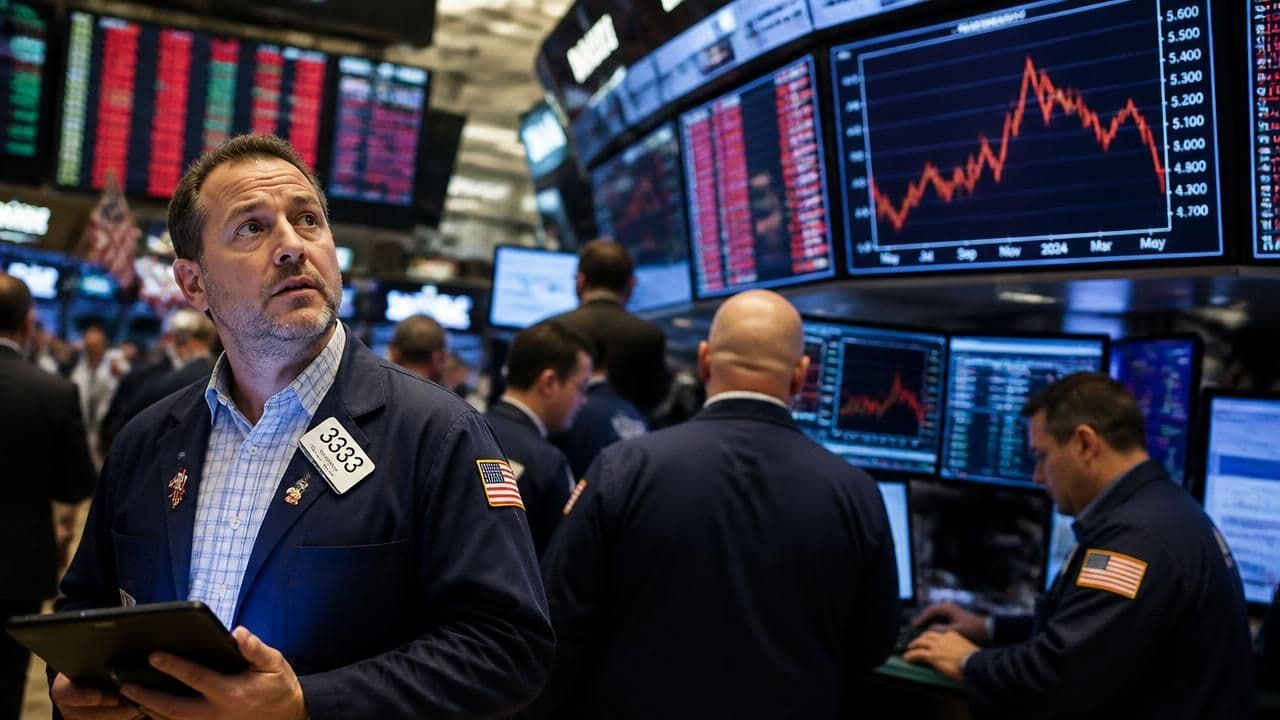
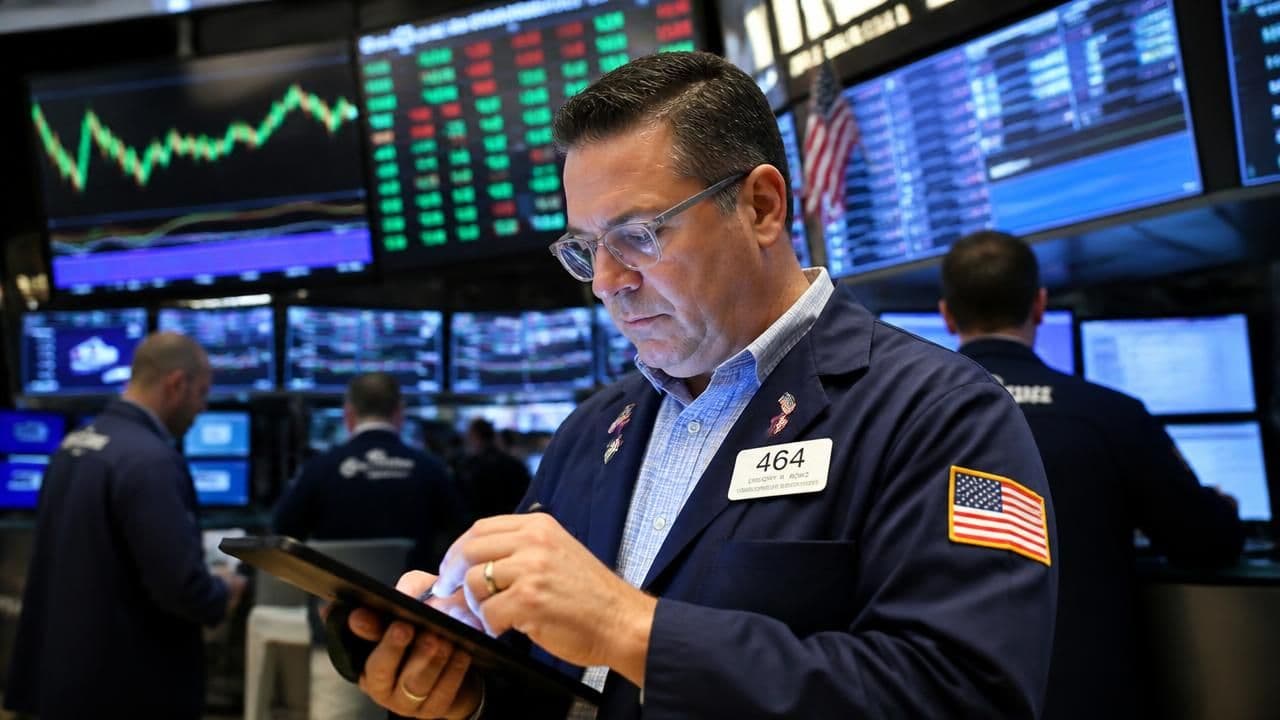
The cattle futures market reacted negatively to the news, with live cattle futures dropping on the Chicago Mercantile Exchange. Some analysts interpreted the move as a signal that the administration expects high beef prices to persist and is willing to sacrifice domestic producer interests to mitigate political fallout.
What's Next?
The executive order is scheduled to take effect within 30 days, but it may face legal and legislative challenges. Industry groups, including the National Cattlemen's Beef Association, have already issued statements condemning the action and promising to fight it. Meanwhile, consumer advocacy groups have praised the decision, arguing that any measure to lower food prices is a step in the right direction.
For now, the debate highlights a fundamental question: can trade policy be used to solve domestic inflation without alienating key political allies? The answer, as this episode demonstrates, is far from simple. As the order moves through the implementation process, all eyes will be on the grocery store shelves and the cattle markets to see whose prediction holds true.
- Consumer impact: Potential short-term price relief at the meat counter.
- Producer concerns: Risk of herd reduction and long-term supply shortage.
- Political fallout: Deep rift between the White House and rural Republican base.
- Market reaction: Cattle futures decline amid uncertainty.
In the coming weeks, Congress may hold hearings to examine the order's implications, and legal challenges could be filed. But for now, the Trump administration is betting that lower prices at the grocery store will resonate more with voters than the grievances of ranchers. It's a gamble that will shape the debate over trade and agriculture for months to come.