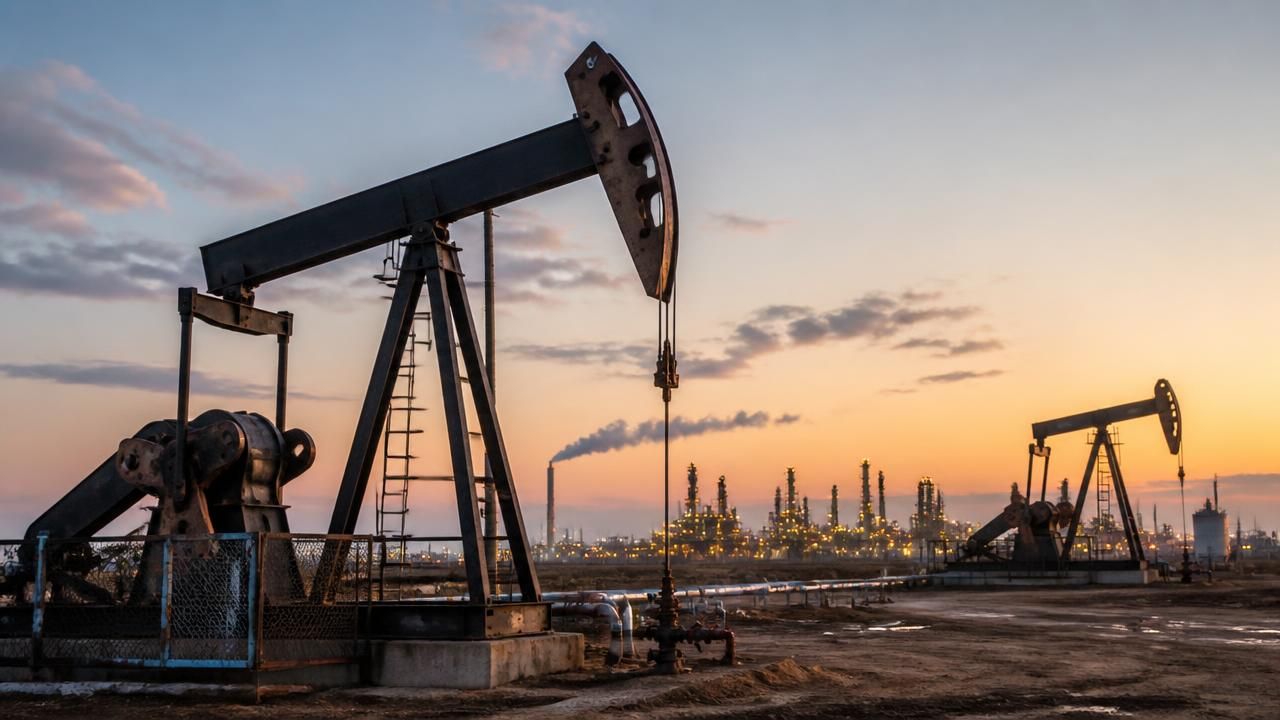
Global oil markets are gripped by a volatile mix of geopolitical confrontation, shifting alliances, and policy shocks. On August 27, 2026, Brent crude traded at $87.65 a barrel, while WTI hovered near $84, as traders weighed the latest developments in the Middle East, the Russia-Ukraine war, and an escalating tariff dispute between Washington and New Delhi. The day's swings underscore how fragile the balance between supply and demand has become.
Hormuz diplomacy stumbles, oil prices spike
Crude prices initially rose after reports that diplomatic efforts to secure an agreement over the Strait of Hormuz—the world's most critical energy chokepoint—had hit stumbling blocks. As Bloomberg reported, "Oil rose on signs that diplomatic efforts toward an agreement over the Strait of Hormuz hit stumbling blocks, casting doubt on a sustainable increase in energy flows through the world's most important energy chokepoint." The market reacted swiftly, adding about 2% in a single session after President Donald Trump rejected a return to previous Iran ceasefire terms, according to Reuters.
However, the rally proved fragile. Just days later, oil plunged when Israel limited its retaliatory strike against Iran to military targets, avoiding the country's oil infrastructure. That de-escalation eased fears of an immediate supply cutoff. Yet the underlying tension remains, with Oman-mediated talks on reopening Hormuz still elusive. A Bloomberg headline captured the paradox: "Oil Climbs as US Weighs Iran Proposal With Hormuz Still Shut."
"The Strait of Hormuz is the world's most important energy chokepoint, and every diplomatic misstep or military move sends shocks through the market," said an energy analyst at a Gulf-based consultancy.
OPEC+ waning influence, China stepping in
Amid these flashpoints, the OPEC+ cartel is losing its grip on the oil market. A Reuters analysis declared: "OPEC+ loses oil market sway in Iran war as China gains influence." The group's ability to stabilize prices through production cuts is being undermined by massive Chinese purchases of discounted crude from Iran, Russia, and Venezuela. China, now the world's largest oil importer, is increasingly setting the terms of trade, often bypassing traditional intermediaries.
This shift has profound implications. OPEC+'s market management tools are less effective when a major buyer can source barrels outside the group's quota system. As a result, the cartel's decisions—whether to cut or raise output—have a muted effect on prices compared to a decade ago. The Eastern Herald noted that Brent's failure to break below the $87 floor despite soft US PCE inflation data illustrates how deeply geopolitical risk is now embedded in valuations.
Ukraine's drones cripple Russian oil exports
On another front, Ukraine's intensified drone campaign is forcing Russia to scramble for alternative oil import routes. The Guardian reported that Ukrainian drone attacks have severely disrupted Russian refining and export capacity, compelling Moscow to seek imports from neighboring countries to meet domestic demand. This is a stunning reversal for the world's third-largest oil producer, now forced to import fuel due to targeted strikes on its infrastructure.
The attacks have also strained logistics in the Black Sea, a key export corridor. Barge and pipeline shipments have been delayed, adding to global supply tightness. Some tanker operators are rerouting to avoid risk, pushing up insurance premiums and freight costs.
Trump's 50% tariff on India: A new trade war front
The most significant policy shock this week came from Washington. President Trump announced a 50% tariff on all Indian imports, explicitly punishing New Delhi for continuing to buy Russian oil. The BBC reported that India now has 20 days to negotiate a reprieve or face the levies. This move effectively wipes out the gains India had enjoyed by purchasing discounted Russian crude—a strategy that had saved billions for its refiners.
Reuters noted that "India's Russian oil gains wiped out by Trump's tariffs." The tariffs, which double an earlier 25% rate, threaten to derail trade ties between the world's two largest democracies. Indian officials are exploring options, including increasing energy purchases from the US and offering concessions on market access. But the clock is ticking.
- Timeline: India has 20 days to avoid the tariffs.
- Impact: Indian refiners may cut Russian imports, potentially tightening global crude markets.
- Reaction: Analysts see this as a coercive tactic to force India into the US sphere on energy policy.
The tariffs have broader financial implications. Indian equities fell sharply, while the rupee weakened. In the US, the move adds to inflationary pressures just as the Federal Reserve weighs rate cuts.
Market fallout: Tech stocks, airlines, and forecasts
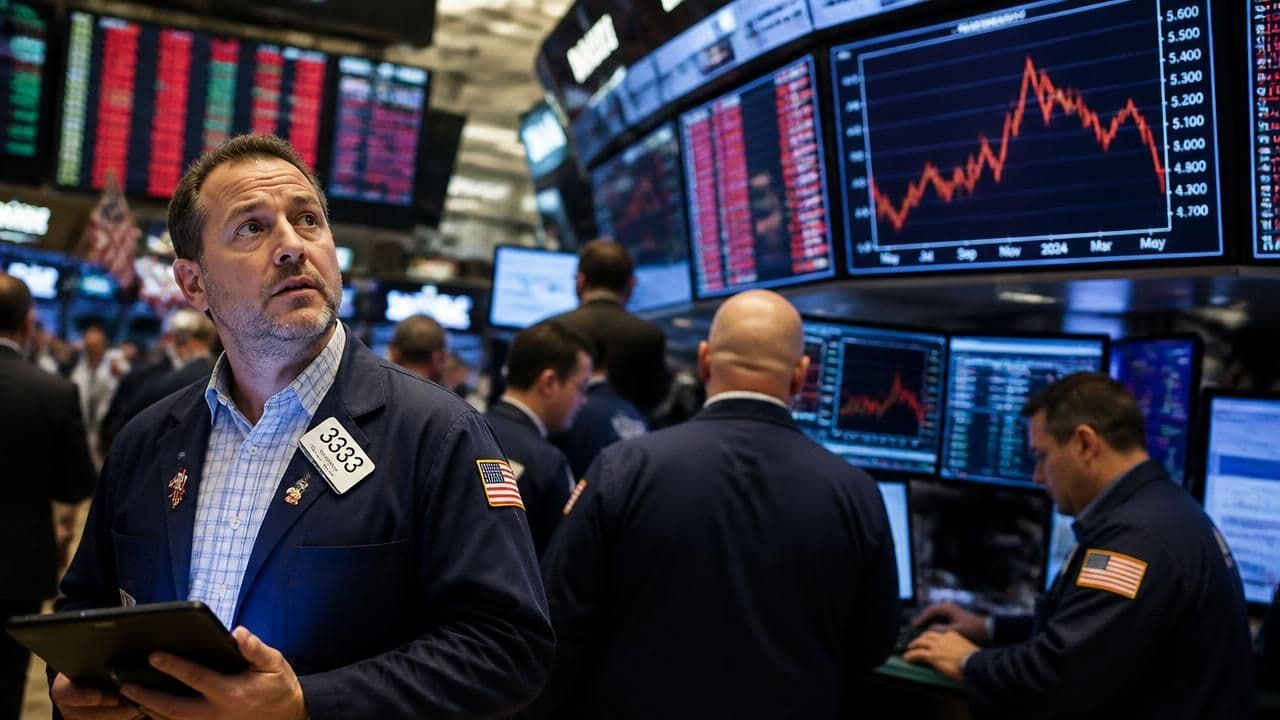
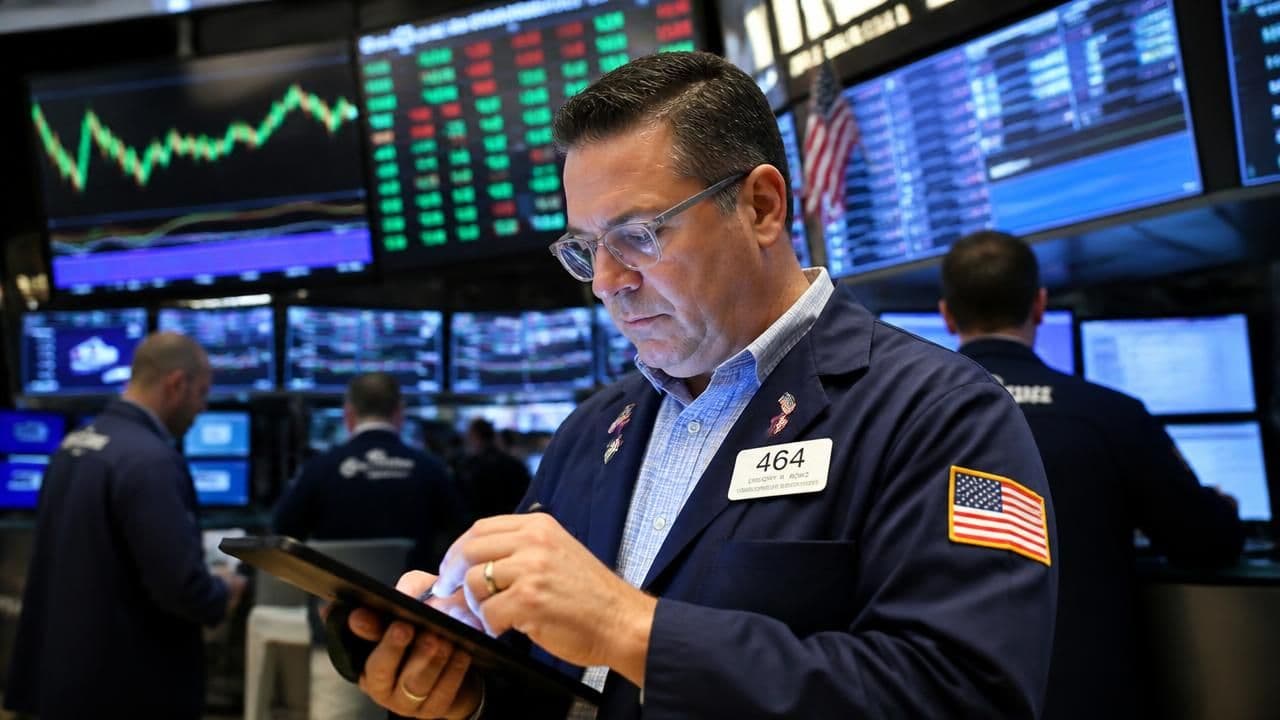
Equity markets were not immune. The Nasdaq 100 fell as investors rotated out of technology stocks, with the QQQ ETF dropping for a second straight day. Meanwhile, the S&P 500 found some support after Nvidia's strong earnings revived confidence in the AI trade, as noted by City Index. The divergent moves highlight a market caught between geopolitical risk and earnings optimism.
Airlines, traditionally sensitive to fuel prices, are bracing for impact. With oil having touched $100 a barrel earlier this month, aerospace news outlets are asking which carriers are hedged against rising jet fuel costs. Airlines with robust hedging programs, such as many European flag carriers, are better positioned than budget rivals that lack such buffers.
Outlook: Volatility ahead
Forecasts for crude oil remain highly uncertain. LiteFinance's long-term outlook for WTI and Brent through 2030 sees prices oscillating between $70 and $120, driven by energy transition policies, OPEC+ decisions, and geopolitical flashpoints. In the near term, the market is fixated on three variables:
- Whether the US and Iran can reach a new nuclear agreement that reopens Hormuz.
- The scale of Ukrainian drone strikes on Russian energy infrastructure.
- The outcome of India-US tariff negotiations.
The Guardian also raised an unsettling question: "Traders placed over $1bn in perfectly timed bets on the Iran war. What is going on?" This suggests that some market participants may have had foreknowledge of military actions, raising governance concerns.
For now, the oil market is a chessboard where every political move is a price signal. As one veteran trader put it, "You're not just trading barrels anymore; you're trading headlines."