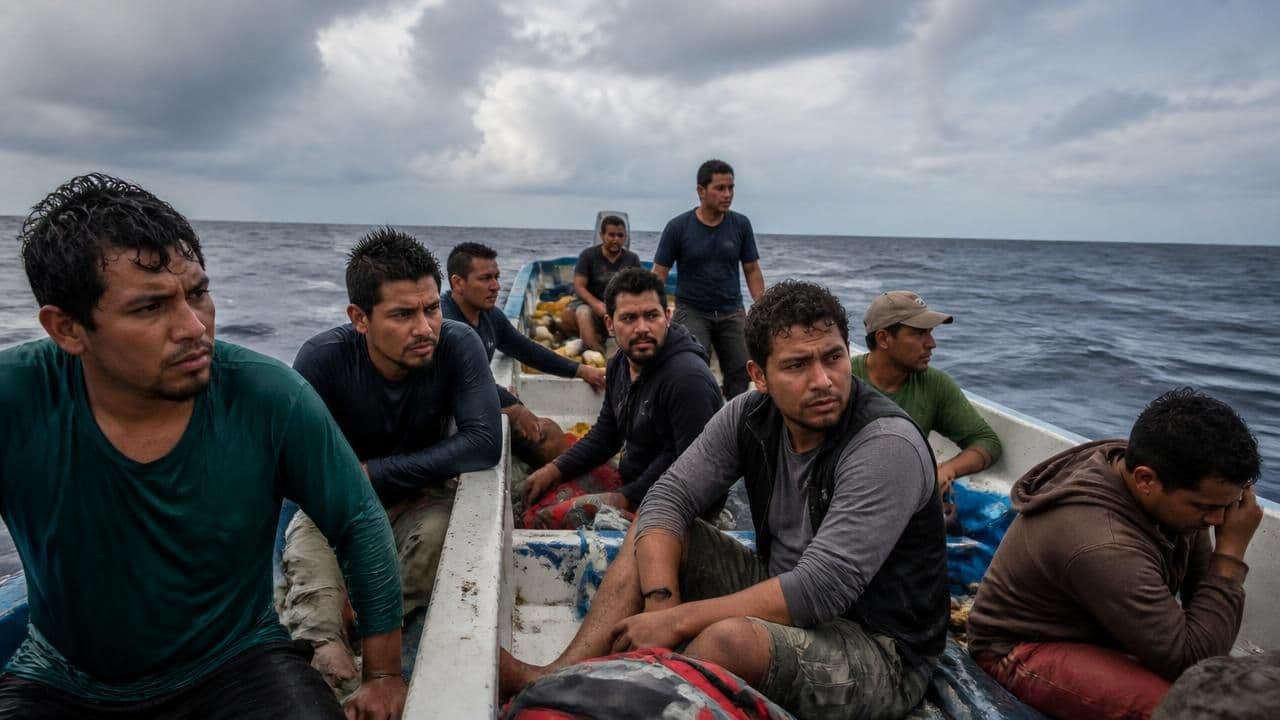
South Africa is witnessing a dramatic surge in xenophobic violence, with foreign-owned businesses attacked, migrants driven from their homes, and several people killed. A leading anti-immigrant group has issued an ultimatum for all undocumented immigrants to leave the country by June 30, sparking fear and displacement among vulnerable communities.
Attacks and Displacement
According to NPR News, the violence has escalated in recent weeks, targeting immigrants from other African nations. In several townships, mobs have looted shops and set fire to properties owned by foreigners. The attacks have forced many migrants to flee into mountainous regions for safety, as reported by The East African. One Zimbabwean migrant, speaking on condition of anonymity, told reporters: 'They can kill you. We are hiding in the hills because we have nowhere else to go.'
The situation is particularly dire in Johannesburg's township areas, where vigilante groups have been patrolling streets, demanding that undocumented immigrants leave. The group Operation Dudula, known for its hardline stance against immigration, has been at the forefront of these campaigns. Its leader, Nhlanhla Lux, has publicly stated that undocumented foreigners must depart by the end of June or face forced removal.
Government Response and Historical Context
The South African government has condemned the violence but has been criticized for a lack of effective action. President Cyril Ramaphosa called for calm and urged communities to report incidents, but many migrants feel abandoned. This is not the first outbreak of xenophobic violence in South Africa; similar attacks occurred in 2008, 2015, and 2019, often fueled by high unemployment and competition for scarce resources. According to the Human Sciences Research Council, anti-immigrant sentiment is rooted in perceptions that foreigners take jobs and strain public services.
However, experts argue that immigrants often contribute positively to the economy. A 2021 study by the World Bank found that migrant-owned businesses create jobs for South Africans and pay taxes. Yet, in the current climate, such data is overshadowed by fear and anger.
Differing Perspectives from Sources
While NPR and The East African focus on the human toll and the flight to the mountains, other sources provide contrasting angles. For instance, Wesanews.org's article on an Iran peace deal and farmers' expectations seems unrelated, but it highlights how global events can shift attention away from domestic crises. Similarly, a piece on Trump sabotaging a voting bill underscores political turmoil elsewhere, which may distract international observers from South Africa's plight.
Another Wesanews article about couples disagreeing on having children appears completely off-topic, but it serves as a reminder of the personal, intimate struggles that parallel the broader societal conflict over belonging and identity. Finally, a story about Ukrainian immigrants building a soccer powerhouse in Philadelphia offers a positive counterpoint: it shows how immigrant communities can enrich their host countries, a narrative often lost in xenophobic rhetoric.
Implications and Way Forward
The current crisis threatens South Africa's reputation as a beacon of democracy and human rights in Africa. Regional bodies like the African Union have expressed concern, calling for protection of migrants. Meanwhile, humanitarian organizations are scrambling to provide aid to those displaced. The June 30 deadline looms, and without intervention, the violence may escalate further.
For many migrants, the choice is stark: flee or face potential death. As one Somali shop owner in Soweto told NPR: 'We have built our lives here, but now we are being told to leave. Where do we go?' The answer, for now, appears to be the mountains.