Summer 2024 has brought not just record heat but also a brutal financial squeeze for households trying to keep cool. In Tulsa, Oklahoma, the cost of electricity has soared so high that many residents can no longer afford to power their own homes — and utility companies are turning off the lights.
Reports from NPR and across public radio stations detail a growing crisis: as temperatures spike, fans and air conditioners run nonstop, sending monthly bills to unprecedented levels. In Tulsa, that has led to protests, community organizing, and a wave of disconnections. The situation has become a flashpoint in a national conversation about energy poverty, infrastructure, and the unequal impact of climate change.
The Tulsa Crisis Unfolds
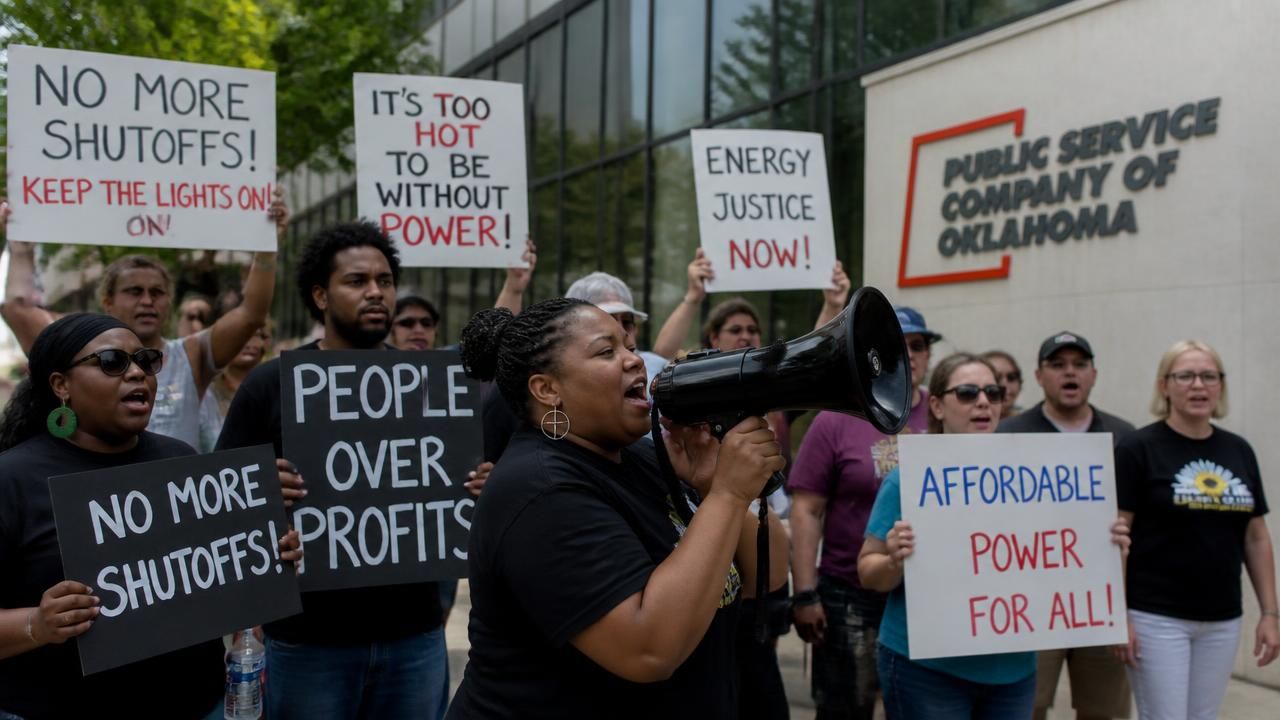
In Tulsa, residents say they are being forced to choose between food, medicine, and electricity. The local utility provider has been cutting off power to households that fall behind on payments, even as the summer heat turns dangerous. Advocates have rallied outside utility offices, demanding moratoriums on disconnections and more robust assistance programs.
NPR's reporting, shared by North Country Public Radio, highlights the human toll: families sitting in the dark, spoiling food, and worrying about elderly relatives and young children. One resident told local media that the power company offered a payment plan, but the $600 past-due balance made it impossible. Another described sleeping outside to escape the heat.
Why Are Bills Soaring?
The immediate cause is the heat itself. Extreme temperatures push electricity demand to the grid's limits, and utilities often pass on higher wholesale costs to consumers. This summer, a prolonged heat dome over the central U.S. has kept temperatures above 100°F for weeks, making air conditioning a necessity rather than a luxury.
But behind the heat lies a deeper problem: the nation's energy infrastructure is aging, and the transition to renewable sources is still incomplete. Natural gas prices, which often set the marginal cost of electricity, remain volatile. Meanwhile, climate scientists warn that heatwaves are becoming more frequent and intense, meaning households will face higher cooling costs year after year.
Protests and Disconnections
In Tulsa, protests have erupted at utility offices and city council meetings. Demonstrators carry signs reading 'Keep the Power On' and 'Energy Is a Human Right.' They have gained sympathy from some lawmakers, but utility companies argue that they must recover costs and that disconnection is a last resort.
The human impact is staggering. According to public records, disconnections in Tulsa have risen by double digits this summer. Community groups are raising funds to help families pay their bills, but demand far outpaces supply.
Broader Economic Ripple Effects
The power bill crisis is not occurring in a vacuum. Economists warn that high energy costs are squeezing household budgets, limiting spending on everything from groceries to entertainment. That may explain a curious summer trend: while Hollywood's box office is glowing, the numbers come with startling caveats. As one analysis notes, ticket sales are strong, but much of that comes from higher prices, not more attendees. Families are choosing cheaper activities or staying home, despite the heat.
Planet Money's economic quiz offers a broader lens on global economic knowledge, highlighting how energy prices, inflation, and disposable income are interconnected. The quiz is a reminder that economic literacy is essential for navigating these turbulent times.
Political Implications
Energy affordability is becoming a pivotal issue in primary elections. In South Carolina, state Sen. Darline Graham won the GOP nomination for U.S. Senate, a race where she campaigned on lowering energy costs and reducing federal regulations. Her victory reflects voter frustration with rising utility bills and the broader cost-of-living crisis.
Across the country, candidates are being asked what they will do to stabilize energy prices and protect vulnerable households. Some propose expanding federal assistance programs, while others advocate for more drilling and deregulation. Climate activists say that true solutions lie in renewable energy and efficiency investments that reduce demand and costs over time.
Summer Lifestyle and Health
The heat also affects daily habits, even those unrelated to energy bills. A comic from health educators recently highlighted seven lifestyle habits that may boost the chances of getting pregnant, noting that extreme heat can affect fertility for both men and women. While not directly about power bills, it underscores how summer warmth transforms every aspect of life, from recreation to reproductive health.
Health officials are advising residents to stay hydrated, use cooling centers, and check on vulnerable neighbors. For those without air conditioning, public libraries and shopping malls offer refuge — but only if they can get there, and only during open hours.
Looking Ahead
The summer of 2024 is a wake-up call. As Tulsa families protest and face disconnections, the nation must confront the twin challenges of rising temperatures and rising costs. Solutions exist—weatherization programs, community solar, rate reform, and emergency assistance—but they require political will and investment.
For now, the heat shows no mercy. And neither does the meter. The question is how long communities can endure before the power goes out for good.