The Indeed Hiring Lab has unveiled its much-anticipated 2026 Best Cities for Work ranking, a data-driven assessment of where workers are finding the strongest career opportunities and dynamism across the United States. Measuring 40 metrics across six pillars — from job openings and wage growth to remote-work availability and employer reviews — the index covers hundreds of U.S. metro areas, offering a surprising picture that upends traditional assumptions about corporate headquarters and tech hubs.
Laura Ullrich, Director of Economic Research at Indeed Hiring Lab, explained the philosophy behind the study: “This isn't about where companies are headquartered or where it's best to run a company. It's about where Indeed is seeing the most career dynamism and opportunity for workers. The results may surprise you.” And they do — New York City, long considered the nation's job capital, ranks embarrassingly low, while smaller metros like Austin, Texas, surge ahead.
How the Rankings Were Built
The index analyzed data from Indeed's platform, combining real-time job postings, salary information, and worker reviews with external data on cost of living, housing affordability, and even commute times. Each city was scored on six pillars: job availability, career progression, wage potential, employer quality, remote-work share, and workplace well-being. The result is a holistic view of what workers actually experience, rather than what corporate marketing departments want project.
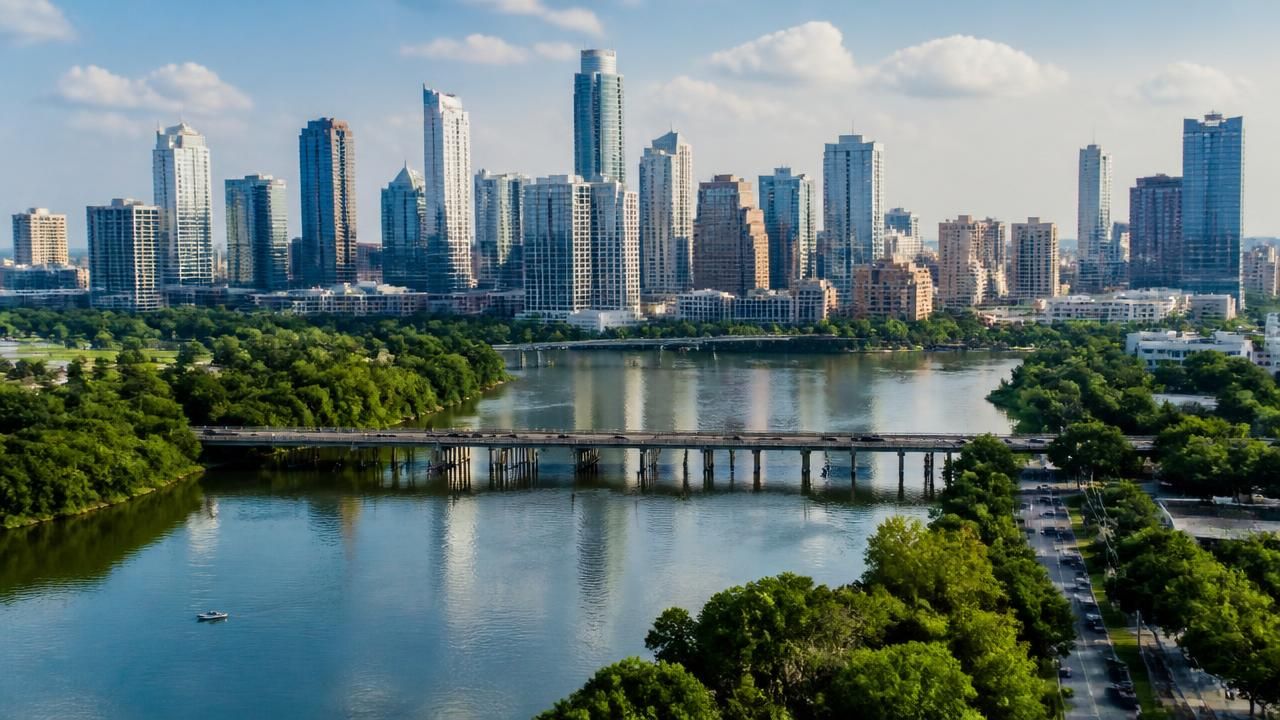
According to Bloomberg Markets, the methodology deliberately shifts attention away from coastal elite cities. Indeed's analysts found that many mid-sized Southern and Western metros offer a better balance of opportunity, affordability, and quality of life. Austin, for instance, secured the No. 9 spot on the national list, a result celebrated by the Austin Business Journal and MSN. Texas's capital continues to attract tech giants and startups alike, but its success also highlights the tension between growth and livability.
Other top performers include Raleigh, Charlotte, Atlanta, and Denver — all cities that have invested heavily in infrastructure and education while maintaining relatively lower costs than San Francisco or Manhattan. Trenton, New Jersey, cracked the Top 10 of the separate “America's Best Cities” report from a different source, a surprise given its reputation as a government town. The ranking suggests that workers are increasingly valuing substance over glamour.
The Surprising Lack of NYC, LA, and San Francisco
Among the most startling findings is the poor performance of traditional job meccas. The New York Post, with its characteristic bluntness, declared that “NYC is laughably low on the list.” Los Angeles and San Francisco also failed to crack the upper echelons, despite their reputations as hubs of innovation and Culture. According to the Post, the reasons are multifaceted: exorbitant housing costs, long commutes, and a post-pandemic shift toward remote work have eroded their appeal. Even for college graduates, California's shining city is not LA or SF—it's San Diego, which was named the state's best city for recent grads in a separate 2026 ranking.
This shift has profound implications. As one Forbes analysis noted, “The best cities to find a job right now are often those where you wouldn't expect.” Forbes pointed to Indeed's data showing that the fastest-growing job markets are in the Sun Belt and Mountain West, regions that combine lower taxes with aggressive business incentives. But that growth brings its own challenges: rising rents and gentrification threaten to price out the very workers the cities are trying to attract.
Work-Life Balance: The Desk Lunch Capital
Inc. magazine took a different angle, zeroing in on the work-life balance metrics within the data. The report identified what it calls the “Desk Lunch Capital” of the U.S. — a city where employees are most likely to stay at their desks for lunch, a sign of both workplace intensity and a lack of enticing food options nearby. The dubious honor goes to a city that might surprise you (and no, it's not Manhattan). This sort of granular analysis helps workers understand not just where jobs are, but what daily life will feel like.
Happiness and Liveability: More Than Just a Paycheck
While Indeed focused on career dynamics, other major 2026 rankings have taken a broader view. The Mental Floss map of America's Happiest Cities, derived from CDC data and wellbeing surveys, found that cities with access to green space, low commute times, and strong social connections topped the list. The Happy City Index gave high marks to places like Boulder, Colorado, and Madison, Wisconsin — smaller cities where work-life balance comes naturally.
At the global level, the Economist Intelligence Unit's Global Liveability Index, covered by Forbes, continues to favor stability over glamour. The top cities for 2026 are largely European and Canadian — Vienna, Copenhagen, and Calgary, for instance — reflecting their investments in healthcare, education, and infrastructure. An Australian expat who lived in two of the “best expat cities” told realestate.com.au that the reality often diverges from the stats: “The rankings are useful, but nothing beats actually walking the streets.”
International Perspectives: UK and Australia
The phenomenon is not confined to the United States. In the UK, The Times and The Guardian each released their own “Best Places to Live” and “Happiest Places to Live” lists for 2026. The Times highlighted the Scottish Highlands and North Yorkshire market towns, while The Guardian's happiness list favored coastal communities with strong community spirit. On the employment front, a study by Builders Merchants Journal revealed the top UK cities for construction jobs, with Manchester, Leeds, and Glasgow leading due to major infrastructure projects. Meanwhile, London, similar to New York, struggles to retain workers amid high costs and grueling commutes.
Down Under, realestate.com.au turned its attention to housing affordability. Its regional hotspots report showed ten regional areas outperforming their capital cities in price growth, as remote work allows Australians to flee Sydney and Melbourne. Brisbane's top ten suburbs for first-home buyers were revealed, along with the country's cheapest suburbs where properties sell for as little as $33,000 — a stark reminder that “best” is a relative term.
What It All Means for Workers in 2026
The convergence of these rankings tells a clear story: the definition of “best” has evolved. Workers are no longer chasing the highest salary alone; they want a job that aligns with their lifestyle, a city that doesn't swallow their income in rent, and a community that fosters wellbeing. Indeed's data, combined with liveability and happiness indices, provides a toolkit for job Seekers to make informed decisions.
“It's not about where the corporate headquarters are — it's about where opportunity meets affordability and sustainability,” said Laura Ullrich. “For 2026, that’s increasingly found in America's Second-tier cities.”
Key Takeaways from the Rankings
- Austin, Texas ranks 9th among U.S. metros for career dynamism, with strong tech job growth but rising costs.
- Trenton, New Jersey surprises with a Top 10 placement in America's Best Cities, thanks to government and logistics jobs.
- San Diego beats LA and San Francisco as California's best city for college graduates.
- New York City ranks laughably low in the Indeed job opportunity index, echoing broader trends of remote work.
- In the UK, Manchester, Leeds, and Glasgow top construction employment; in Australia, regional areas outperform capitals.
As the world continues to redefine work, the 2026 rankings serve as a roadmap — but they also remind us that no index can capture the serendipity of finding your place. Whether you're a software engineer eyeing Austin or a recent graduate considering San Diego, the data offers a starting point, not the final answer. The best city for work is ultimately the one where you can build, not just a career, but a life.