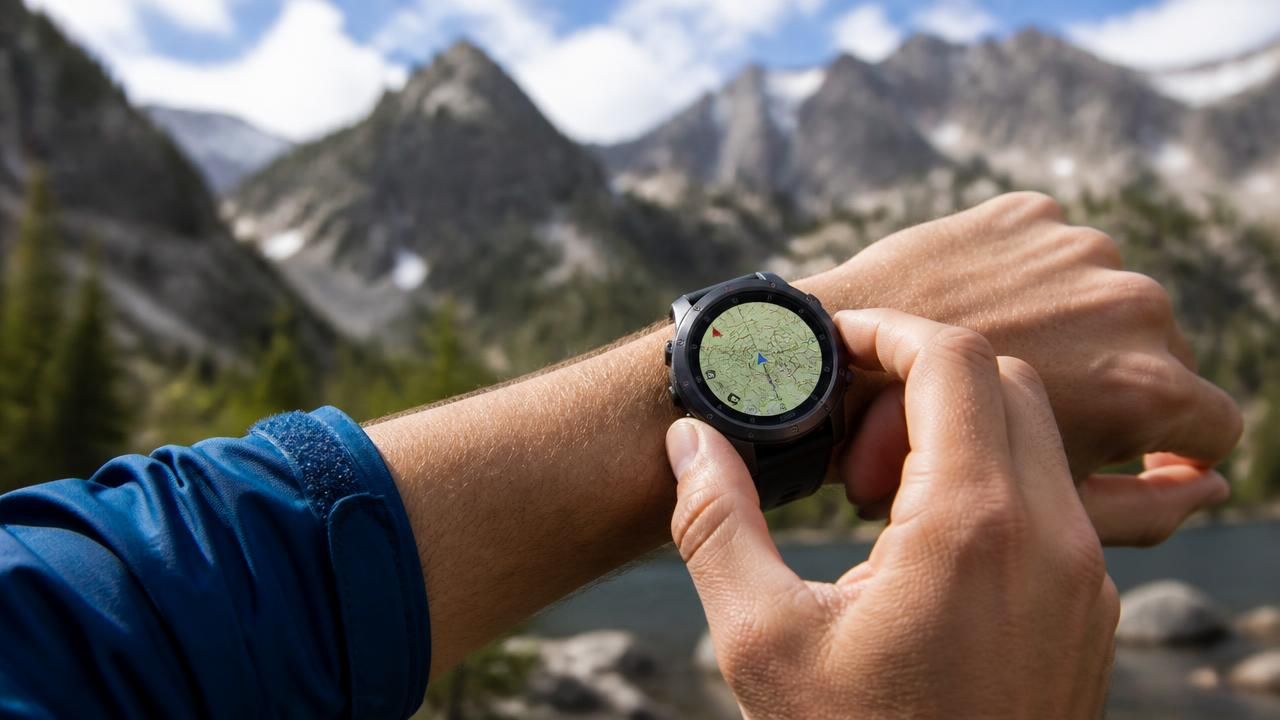
Garmin has officially unveiled the Fenix 9 series, the latest addition to its rugged smartwatch lineup, at the company's 'Play Harder' event. The new base model starts at $999.99 for the 43mm case and delivers a host of upgrades, headlined by a dazzling 3,000-nit OLED display that is twice as bright as its predecessor. Alongside the standard Fenix 9, Garmin also introduced a Fenix 9 Pro model, which Wareable reports features a thinner titanium case and improved LTE connectivity.
A Brighter Display for the Outdoors
The standout feature on the Fenix 9 is its new display. At 3,000 nits, the OLED panel is designed to be easily readable in direct sunlight, a critical advantage for hikers, runners, and endurance athletes who spend long hours outdoors. The screen is protected by a scratch-resistant sapphire lens, ensuring durability in demanding conditions. Garmin has also doubled the internal storage to 64GB, providing ample room for offline maps, music, and activity data.
Performance: More RAM, Faster Maps
Under the hood, the Fenix 9 packs 50 percent more RAM than last year's model, allowing for smoother multitasking and faster app launches. The upgraded map engine is another major improvement, enabling quicker panning and zooming on the built-in topo maps. This directly addresses a common complaint among outdoor enthusiasts: sluggish map navigation. MSN's coverage highlights "faster maps and smarter training" as key reasons to upgrade, and the new hardware delivers on that promise.
Garmin Epic: A New Training Tool
One of the most interesting software additions is Garmin Epic, a feature that aggregates workout data from multiple days, weeks, or even months into a cohesive 'Epic' display. This gives athletes a bird's-eye view of their training history, combining health metrics and performance data to reveal long-term trends. For those who follow structured training plans, Epic could become an indispensable tool for periodization and recovery tracking.
Fenix 9 Pro: Thinner Titanium and Better LTE
The Fenix 9 Pro variant aims to be the premium option in the lineup. According to Wareable, it features a thinner titanium case, which reduces bulk without compromising the ruggedness that the Fenix line is known for. The improved LTE support is another notable upgrade, allowing users to stay connected for calls, messages, and even streaming when they leave their smartphone behind. This is a huge draw for trail runners and ultramarathoners who prefer to travel light.
The Rumor Mill: MicroLED and Solar-AMOLED
In the lead-up to the launch, speculation about the Fenix 9's display features ran wild. Geeky Gadgets ran headlines suggesting a MicroLED display and a 2026 release date, while another piece floated the idea of a 'solar-over-AMOLED' panel. These rumors proved premature: the actual watch uses a far more conventional OLED display, albeit one with record-breaking brightness. It's a reminder that not all pre-launch speculation is grounded in reality, and that Garmin's engineers opted for a proven technology that could be delivered at scale in 2025.
Pricing and Availability
The Garmin Fenix 9 starts at $999.99 for the 43mm base model. While Garmin hasn't yet detailed the full lineup, the Pro model will likely carry a premium price. The Fenix 9 is available immediately from Garmin's website and select retailers, with the Pro model expected to ship in the coming weeks.
Key Specs at a Glance
- 3,000-nit OLED display (twice as bright as Fenix 8)
- 50% more RAM than previous generation
- 64GB internal storage
- Scratch-resistant sapphire lens
- Garmin Epic feature for long-term workout analysis
- Fenix 9 Pro with thinner titanium case and improved LTE
- Base price: $999.99
How the Media Frames the Story
Different outlets have focused on different angles. The Verge zeroed in on the hardware and performance specs, highlighting the display brightness and the enhanced map engine. MSN's coverage took a more personal tone, with one journalist admitting the new features make them want to upgrade. Wareable emphasized the design and connectivity improvements of the Pro model, while Forbes published a list of eight key facts for potential buyers. GarminRumors provided a live blog from the event, keeping enthusiasts updated in real time. Together, these perspectives paint a picture of a product that builds on the Fenix legacy while pushing the envelope in meaningful ways.
Why It Matters
The Garmin Fenix series has long been the benchmark for rugged smartwatches, fending off competition from the Apple Watch Ultra and dedicated sports watches from Suunto and COROS. With the Fenix 9, Garmin is doubling down on its core strengths: battery efficiency, advanced navigation, and in-depth training analytics. The addition of Garmin Epic and the faster map engine make it a more powerful tool for serious athletes, while the brighter display and Pro model expand its appeal to everyday adventurers.
As smartwatches continue to evolve, Garmin remains laser-focused on the niche it knows best: outdoor performance. The Fenix 9 isn't just an incremental update; it's a statement that Garmin intends to remain the gold standard for those who demand the best from their gear, in the harshest environments on Earth.