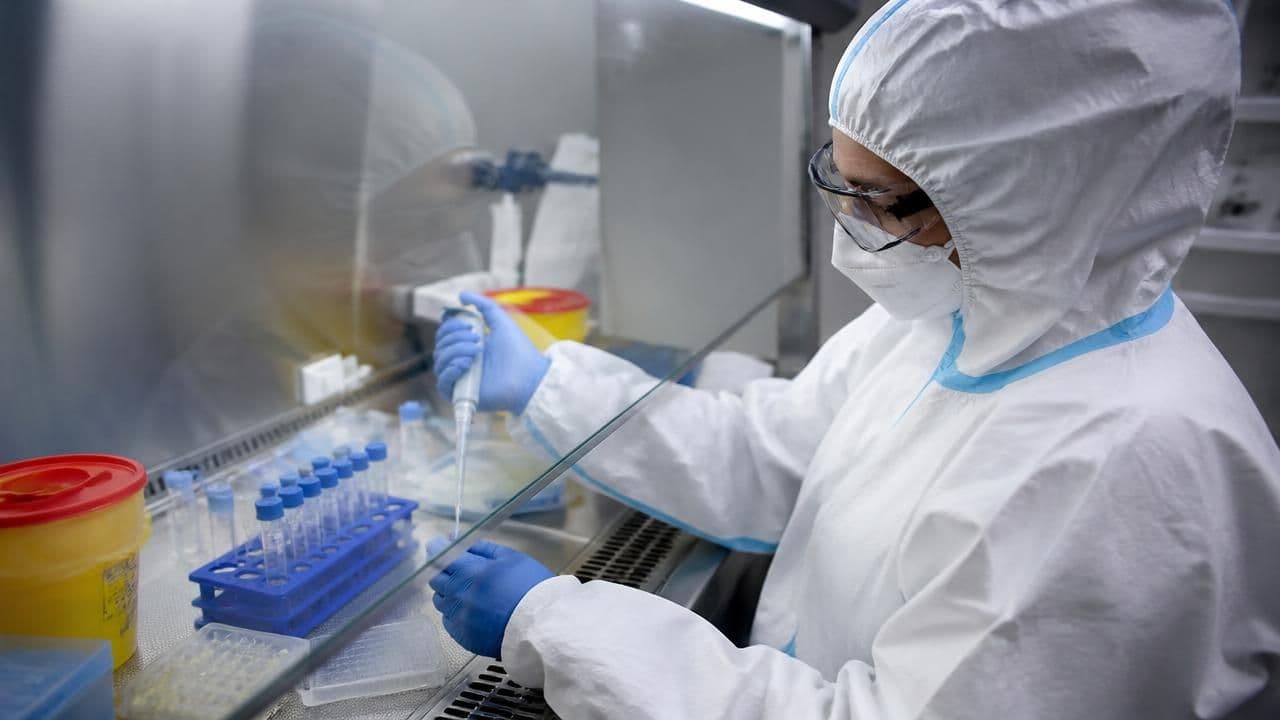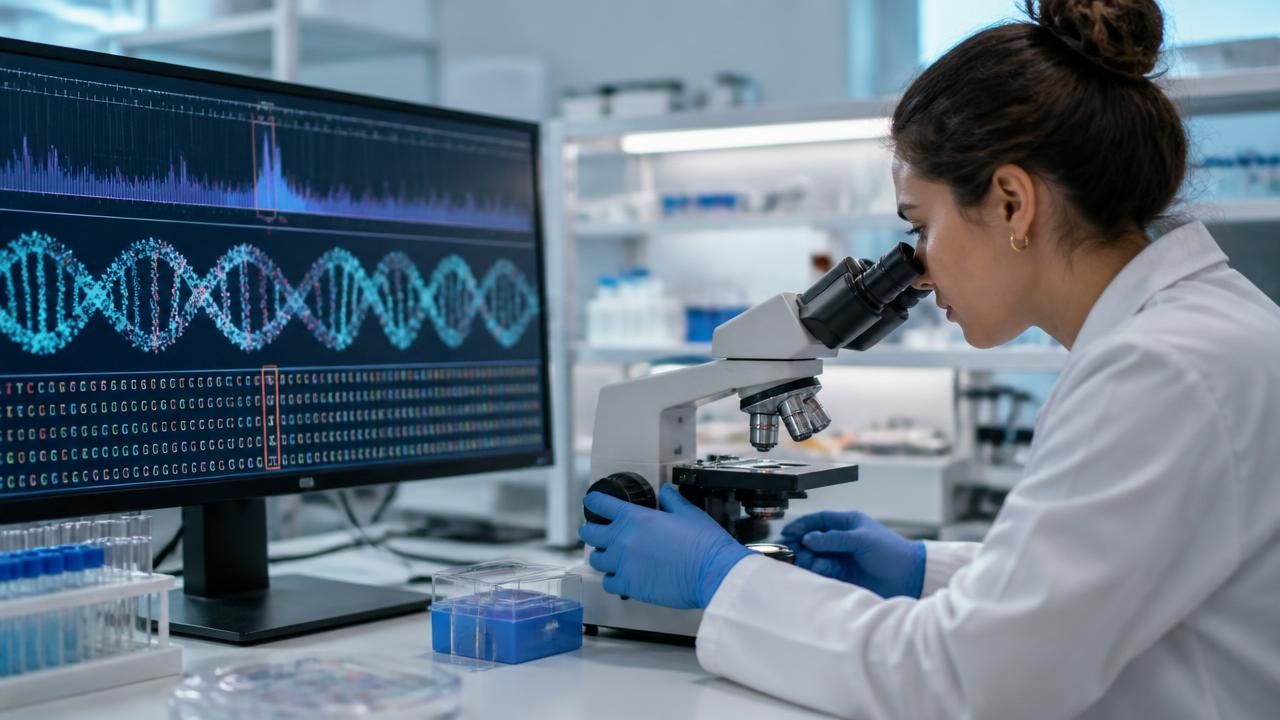
In a breakthrough that could reshape our understanding of human genetics, researchers have used artificial intelligence to decode the DNA signature of a crucial genetic "switch" that controls when genes are turned on. The discovery, published after analyzing roughly 500,000 DNA sequences, identifies the initiator responsible for activating gene expression in about 60% of human genes. This molecular key has long eluded scientists, and its elucidation may help predict the effects of harmful mutations and eventually contribute to deciphering the broader genetic instructions that govern cellular activity throughout the body.
The Long-Sought Initiator
For decades, molecular biologists have known that gene expression begins at specific regions of DNA called promoters. Promoters contain binding sites for proteins that recruit the transcription machinery, but the exact sequence that serves as the "on switch" — the initiator — has remained poorly defined. The initiator is a short DNA motif that overlaps the transcription start site and is recognized by a key protein complex called TFIID, which initiates transcription. However, unlike other promoter elements that are more uniform, the initiator sequence varies widely, making it difficult to identify experimentally.
Now, by applying a deep-learning model to hundreds of thousands of genomic sequences, the team has uncovered a consistent pattern that predicts initiator activity in a large fraction of human genes. The AI was trained on data from high-throughput experiments that measure transcription initiation, allowing it to learn the subtle sequence preferences that define a functional initiator.
"This is like finding a hidden switchboard in our genome," said the lead researcher in a statement. "We've known the switch exists, but we didn't know exactly what it looked like. Now we have a high-resolution picture that can be used to understand how mutations disrupt this process."
Implications for Genetic Medicine
One of the most immediate applications of this work is in interpreting genetic variants. Each person carries millions of small differences in their DNA, and researchers have struggled to determine which of these are benign and which contribute to disease. By identifying the initiator's sequence signature, the AI model can predict whether a mutation in a promoter region might impair gene activation.
The initiator is particularly important for genes involved in development, cell differentiation, and response to stress. Mutations that affect initiator function have been linked to various diseases, including cancer and neurodevelopmental disorders. With this new tool, scientists may be able to screen genomes for such mutations more efficiently and prioritize candidates for experimental validation.
"This is a step toward the ultimate goal of reading the regulatory language of the genome," explained a co-author. "We are not just looking at genes; we are looking at the instructions that tell them when to speak and when to stay silent."
The Role of AI in Genomic Discovery
The success of the approach demonstrates the power of artificial intelligence in uncovering patterns that are invisible to traditional methods. The model was trained on a large dataset of human promoter sequences, learning to recognize the initiator in a way that is generalizable across the genome. The researchers also validated their predictions experimentally, showing that the identified initiators can drive transcription when placed in a synthetic construct.
This is part of a broader trend in genomics, where machine learning is being used to decode the regulatory code of DNA. Similar AI-based approaches have led to breakthroughs in understanding splicing, enhancers, and chromatin structure. The new initiator model adds a critical piece to that puzzle.
Broader Scientific Context
The announcement comes amid a wave of scientific advances reported by research institutions around the world. In separate findings, scientists have also made progress in understanding how Alzheimer's disease kills brain cells, uncovered nature's blueprint for more effective cancer drugs, explained the magnetic properties of steel, and solved a 2,000-year-old mystery about chameleon eyes. While these breakthroughs are independent, they collectively highlight the accelerating pace of discovery powered by new technologies, including AI, advanced imaging, and structural biology.
The DNA switch discovery, however, stands out for its potential to impact nearly every aspect of human health, since gene regulation is fundamental to life. As the model is refined and expanded to other species, it may also provide insights into evolution and the development of complex organisms.
Next Steps
The research team plans to extend the model to cover not just the initiator but the entire promoter architecture, including the interplay between different regulatory elements. They also intend to make their model freely available to the scientific community, allowing other researchers to probe the consequences of mutations in regulatory regions.
In the near term, the most exciting prospect is the ability to identify potentially harmful mutations in the initiator sequences of disease-related genes. This could lead to better risk assessment for inherited conditions and open new avenues for gene therapy, where researchers might seek to correct or compensate for faulty switches.
"We are just beginning to understand the grammar of the genome," said the lead researcher. "This initiator is one of the most frequent words in that grammar. Understanding it gives us a foothold to interpret the rest."
As scientists continue to decipher the intricate language of DNA, the dream of fully understanding how our 20,000 genes are coordinated — and how errors in that coordination lead to disease — moves closer to reality.