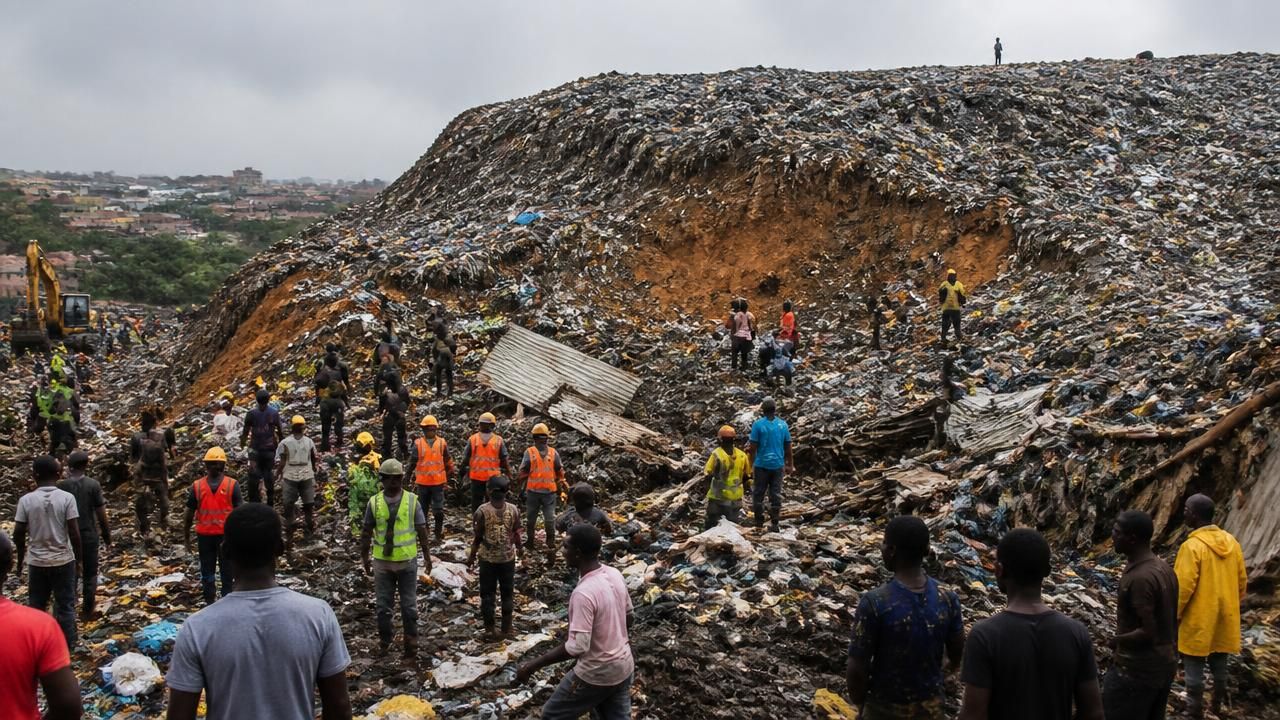
At least 30 people have been killed after a massive waste dump collapsed in Guinea's capital, Conakry, following heavy overnight rains, the government confirmed on Sunday. The landslide engulfed nearby tents and shacks in a densely populated area, and officials fear the death toll could rise as rescue efforts continue.
The incident occurred at the sprawling dump site in Conakry, a city of more than 2 million people that has long struggled with poor waste management and inadequate drainage systems. The collapse came less than a week after the Guinean government announced plans to close the site and relocate the waste, acknowledging the danger it posed, particularly during the rainy season.
A Disaster Foretold
The waste mound, which had grown to the size of a small hill over decades of unregulated dumping, was already known to be unstable. In a statement, the government said it had been planning to move the site because of the 'imminent threat' it posed to residents living in its shadow. But the heavy rains that lashed Conakry on Saturday night accelerated the collapse, sending tons of garbage and debris crashing into makeshift homes.
“This is a tragedy that could have been avoided if the relocation had been carried out sooner,” said a local resident who asked not to be named. “We have been living in fear of this mountain for years.”
Emergency teams were deployed to search for survivors, but the scale of the debris and the instability of the remaining mound have hampered their efforts. The government has not yet released an official list of the dead, but local media reported that many of the victims were women and children who were sleeping when the landslide struck.
Broader Context: Rainy Season Vulnerability
This disaster is part of a recurring pattern across West Africa, where heavy seasonal rains frequently trigger landslides and flash floods in crowded, underdeveloped urban areas. In Guinea alone, dozens of people have died in similar incidents over the past decade. The capital's infrastructure is ill-equipped to handle the torrential downpours, and informal settlements often spring up on dangerous slopes or near waste sites.
Environmental experts point to a combination of factors: unchecked urban migration, weak enforcement of building regulations, and the impacts of climate change, which are making rainfall more intense and unpredictable. A 2021 report by the United Nations Environment Programme warned that unregulated dumpsites in West Africa pose a 'serious and growing risk' to public health and safety, and called for urgent investment in waste management infrastructure.
Government Response and Public Anger
In the wake of the disaster, Guinea's government declared a state of emergency in the affected area and pledged to provide compensation to the victims' families. President Mamady Doumbouya, who came to power in a 2021 coup, expressed his condolences and ordered an investigation into the collapse.
However, many residents remain angry. They argue that the government's promised relocation had been delayed for months, and that the decision to announce it just days before the tragedy was too little, too late. Local activist groups have called for those responsible to be held accountable, and protests have erupted near the site.
International Aid and Solidarity
The international community has begun to respond. The African Union and the Economic Community of West African States (ECOWAS) both issued statements offering condolences and assistance. France, Guinea's former colonial power, said it was ready to send emergency aid if requested.
Meanwhile, humanitarian organizations are focusing on the immediate needs of the survivors, many of whom have lost everything. Providing shelter, clean water, and medical care are the top priorities, according to a spokesperson for the Red Cross in Conakry.
Looking Ahead: Preventing Future Tragedies
This disaster highlights the urgent need for comprehensive urban planning and environmental management in Guinea and across West Africa. Simply moving one dump site will not solve the underlying problem of insufficient waste disposal systems, which remain a deadly hazard in many cities.
Experts argue that governments must invest in modern, regulated landfills, recycling programs, and flood prevention infrastructure. They also stress the importance of enforcing zoning laws to keep informal settlements away from dangerous areas. As climate change intensifies, such proactive measures are no longer optional—they are a matter of life and death.
For now, the search and recovery efforts in Conakry continue. The nation mourns the loss of 30 lives, while asking a painful question: How many more warnings will be ignored before the next tragedy strikes?