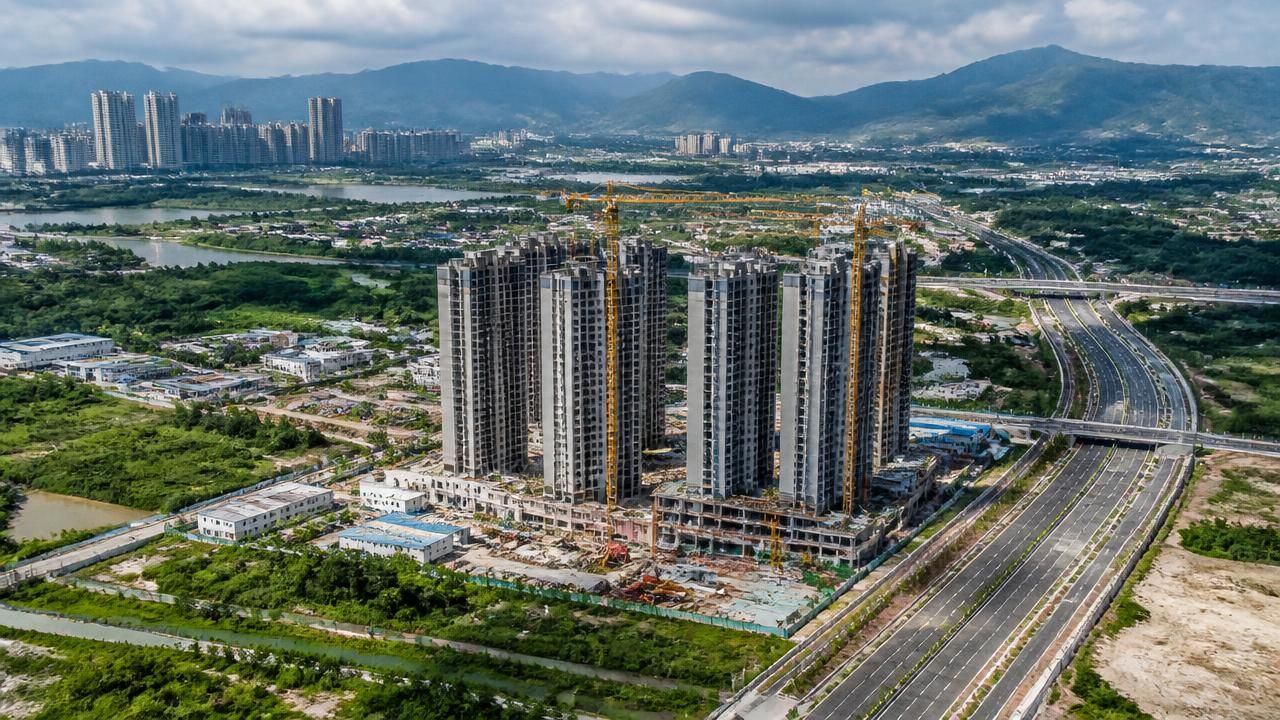
Hong Kong’s ambitious plan to transform its northernmost districts into a technology hub is facing an early reality check. The first residential property sales in the much-touted Northern Metropolis – an initiative to build a new economic engine near the mainland Chinese border – have drawn a lukewarm response from homebuyers, according to a Bloomberg Markets report. The middling start highlights the formidable hurdles involved in turning a largely rural area into a vibrant tech city, even as the city’s broader financial and business landscape shows signs of reinvention.
Cool Reception in a Remote Tech Hub
The Northern Metropolis is a flagship project of Hong Kong’s government, intended to ease chronic housing shortages and foster innovation by creating a live-work-play corridor connected to Shenzhen’s tech cluster. Yet the first batch of residential units, priced at what some analysts describe as a premium for a location that remains far from the central business district, failed to ignite the kind of buying frenzy seen in previous property launches. Market observers attribute the tepid demand to several factors: the area’s relative isolation, incomplete transportation links, and ongoing economic uncertainty.
“The lukewarm response underscores the challenge of convincing buyers to move to a remote area where infrastructure is still under development,” said one property analyst familiar with the launch. “The pricing didn’t offer enough of a discount to overcome the drawbacks of location.”
The sales result is an early test for the Northern Metropolis, which is expected to take decades and billions of dollars to fully realize. The project forms a key part of Chief Executive John Lee’s policy agenda, with promises of thousands of public and private homes, business parks, and university campuses. However, the initial demand suggests that without more aggressive incentives or faster infrastructure delivery, the vision may struggle to attract private investment.
Tech Listings Signal Capital Market Confidence
While the property market snaps coolly, Hong Kong’s financial markets are experiencing a surge of technology-related IPO activity. Bloomberg reported that global investment giants BlackRock, Hillhouse, and Temasek are set to back a listing of Innolight, a Chinese optical transceiver maker, in what would be one of the city’s most prominent tech floats in recent months. The deal underscores Hong Kong’s continued appeal as a fundraising venue despite increasing competition from Shanghai and Shenzhen.
Similarly, Chinese chipmaker MetaX has announced plans to list in Hong Kong, hoping to capitalize on the global AI boom that has driven up valuations for semiconductor firms. These planned listings are a welcome boost for Hong Kong’s bourse, which has seen a slowdown in IPOs over the past year due to geopolitical tensions and regulatory crackdowns on the mainland tech sector.
A Renewed Focus on High-Growth Sectors
The involvement of marquee investors like BlackRock and Temasek signals that Hong Kong remains a critical gateway for Chinese tech companies seeking international capital. The surge in listings also aligns with the government’s push to develop the Northern Metropolis as a hub for microelectronics and AI, suggesting that the city’s long-term ambitions extend beyond property development.
UBS Scales Back ESG in Asia
Another sign of the shifting financial landscape came from UBS, which according to Bloomberg is cutting its Asia ESG (environmental, social, and governance) workforce by half as part of a global restructuring. The move reflects a broader pullback in sustainable investing across the region, where regulatory frameworks are still evolving and profitability pressures have mounted. For Hong Kong, which has positioned itself as Asia’s green finance hub, the reduction could be a setback, though the city still hosts many other sustainability-focused institutions.
Expat Schools Adapt to New Demographics
Hong Kong’s elite expatriate schools are also adjusting to a changing population. Long seen as bastions for the children of Western bankers and diplomats, these institutions are now pivoting to cater to wealthy mainland Chinese families. Bloomberg’s report highlights how these schools are revamping curricula, hiring Mandarin-speaking staff, and opening new campuses to meet the demand from a growing cohort of affluent cross-border residents. This transformation is emblematic of a broader demographic shift, as Chinese capital and talent increasingly anchor the city’s economy and social fabric.
A Cultural Coda: Dot Cod’s Triumph
Amid these economic narratives, Hong Kong also paused to celebrate a local legend: Dot Cod, whose “triumphant return” captured the city’s imagination, according to a separate Bloomberg headline. While the details of that story remain a colorful footnote, it serves as a reminder that Hong Kong’s unique cultural and sporting traditions continue to thrive alongside its financial evolution.
Implications for the Future
Together, these seemingly disparate developments paint a portrait of a city in transition. The Northern Metropolis may be off to a rocky start, but the influx of tech listings, the adaptation of schools, and even the restructuring at powerful banks are all part of Hong Kong’s ongoing effort to redefine its role in an increasingly competitive global economy.
The key challenge lies in bridging the gap between ambitious policy and ground-level reality. If Hong Kong can make the Northern Metropolis genuinely attractive – through better connectivity, affordable housing, and vibrant business ecosystems – it could still become the catalyst for the city’s next phase of growth. But as the first sales suggest, time is of the essence, and buyers will need more than promises.