New Zealand’s main opposition Labour Party has pledged to restore the Reserve Bank of New Zealand’s (RBNZ) dual mandate if it wins the November 7 general election, arguing that both price stability and sustainable employment are vital for a strong economy. The announcement injects a fresh policy debate into an election campaign already dominated by concerns over sluggish growth, a housing crisis, and an accelerating exodus of skilled workers to Australia.
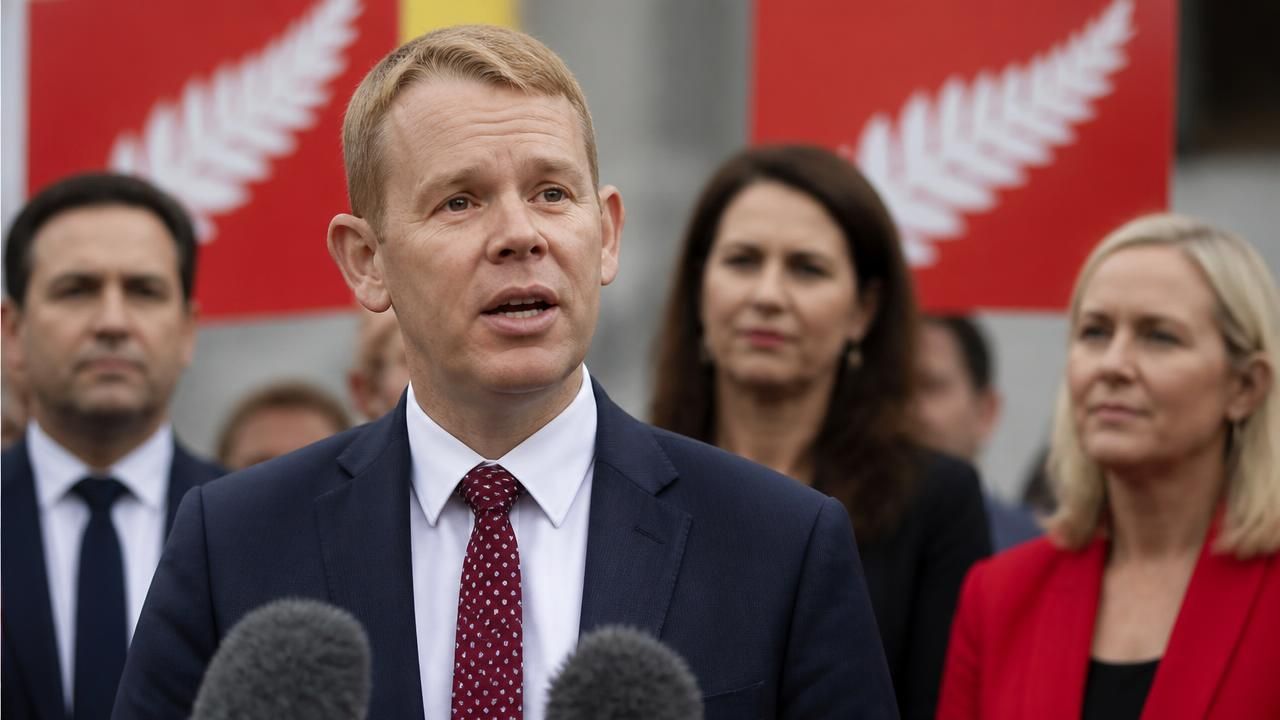
The Labour Party’s commitment marks a clear departure from the current government’s approach, which narrowed the RBNZ’s focus to inflation targeting in 2018. Under the proposed change, the central bank would again be required to consider employment as a co-equal objective alongside keeping inflation within the 1–3% target range. Labour leader Chris Hipkins framed the move as a correction of a policy error, stating that monetary policy must serve the broader economy and ordinary New Zealanders, not just financial markets.
“Price stability and sustainable employment are both essential for a strong economy,” the Labour Party said in its campaign platform.
A Weakening Economic Backdrop
The pledge comes as fresh data and corporate commentary paint a somber picture of New Zealand’s economic health. Major construction firm Fletcher Building, one of the country’s largest companies, has signaled it is “waiting on meaningful recovery in NZ demand” before committing to new projects. The company’s cautious outlook reflects softening consumer spending, falling house prices, and a broader slowdown in the construction sector that has historically been a bellwether for domestic activity.
Economists point to several factors weighing on demand: high interest rates, restrictive lending rules, and a government that has prioritized fiscal consolidation. Business confidence remains mired in negative territory, and the manufacturing sector is contracting. The RBNZ’s own data shows that per-capita GDP has declined for four consecutive quarters, a technical recession when measured on a per-person basis.
The Brain Drain Widens
Adding to Labour’s case is a troubling demographic trend: New Zealand’s brain drain to Australia has accelerated, widening societal rifts and draining the country of young, skilled workers. Official figures show that net migration losses to Australia reached a record high in the past year, with nurses, engineers, and IT professionals among the most likely to leave. The wage gap between the two countries remains significant, and Australia’s stronger labor market continues to attract Kiwis seeking better pay and career prospects.
This outflow has profound implications for New Zealand’s long-term economic potential. It exacerbates skill shortages, reduces tax revenue, and puts additional pressure on public services. Labour argues that a central bank mandate that explicitly supports sustainable employment could help counter these trends by fostering a more resilient and inclusive labor market.
Political Fault Lines
The election, set for November 7, is shaping up to be a tight contest. The ruling National Party has defended the single mandate, arguing that it provides policy clarity and discipline. Finance Minister Nicola Willis warned that restoring the dual mandate could undermine the central bank’s credibility and lead to higher inflation expectations. “You cannot have two objectives without trade-offs,” she said in a recent interview.
Labour, however, insists that the trade-off is manageable and that many other central banks—including the U.S. Federal Reserve and Australia’s Reserve Bank—operate successfully with dual or multiple mandates. The party has also proposed establishing a formal monetary policy committee with external experts, a move designed to reduce political interference and increase transparency.
The debate has drawn international attention. In the United Kingdom, similar tensions have surfaced within the Labour Party, with Greater Manchester Mayor Andy Burnham urging a new direction after the party’s disappointing local election results in May. Burnham argued that the party must embrace a more interventionist economic agenda, including a greater role for central banks in supporting employment and investment. While the UK context differs, the underlying theme is the same: central banks are being asked to do more than just fight inflation.
Expert Views and Implications
Economists are divided on the merits of Labour’s proposal. Supporters argue that a dual mandate would force the RBNZ to weigh the social costs of unemployment more carefully, potentially leading to more gradual interest-rate changes that spare vulnerable households. Critics counter that the dual mandate could complicate expectations management and make it harder to anchor inflation, especially in a small, open economy vulnerable to external shocks.
- Proponents: A dual mandate promotes inclusive growth, supports wage gains, and helps reduce inequality.
- Opponents: It risks diluting the central bank’s primary mission and could lead to political pressure on monetary policy.
For businesses like Fletcher Building, the outcome matters directly. A clear and stable policy framework encourages investment; uncertainty does the opposite. The company’s wait for a demand recovery is emblematic of a broader hesitancy among corporates facing cloudy prospects.
As New Zealanders head to the polls, the RBNZ’s mandate has become a proxy for deeper questions about the kind of economy and society they want. Labour’s pledge taps into a growing sense that decades of prioritizing price stability above all else have left too many people behind. Whether that pitch resonates will determine not only the shape of the next government but also the future direction of monetary policy in New Zealand.
For now, the betting markets show the election is too close to call, and the central bank’s role remains contested terrain. But one thing is clear: the debate has shifted from whether the RBNZ should care about employment to how it should do so—and that is a shift Labour hopes will carry it to victory.