The financial world is being pulled in two directions: toward an AI-driven future brimming with opportunity, and toward a present shadowed by geopolitical conflict, trade friction, and evolving central bank policy. This week's coverage from Bloomberg's flagship programs—from Bloomberg Surveillance to The China Show—paints a vivid picture of markets grappling with these crosscurrents.
The AI Boom: Profits, Debt, and a New Industrial Revolution
Artificial intelligence remains the dominant force in equity markets, but the narrative is increasingly complicated. Alibaba's latest earnings showed profit taking a beating amid heavy AI spending, a trend echoed across the tech sector. The China Show noted that Alibaba's AI investment is squeezing margins, even as the company positions itself for long-term growth. Meanwhile, Open Interest reported that an Anthropic investor slammed venture capital's earlier AI misses, highlighting how even the savviest backers underestimated the pace of adoption.
The scale of AI capital expenditure is raising red flags in fixed income. Insight with Haslinda Amin explored a “tidal wave of AI debt” as Treasury markets reel from the scale of borrowing needed to fund data centers and chip manufacturing. Nvidia's forecast of $1 trillion in revenue through 2027—covered on Bloomberg Tech—suggests the AI trade still has legs, but the financing burden is becoming a systemic concern. As one analyst put it, “This is the industrial revolution of our time, but revolutions are expensive.”
Google Cloud's debut of new AI chips and the release of Google's new AI agents to challenge OpenAI and Anthropic underscore the competitive intensity. Meanwhile, an accidental hack at OpenAI—reported by Bloomberg Businessweek Daily—serves as a reminder of the risks embedded in this rapid deployment.
Geopolitical Crosscurrents: Iran, Tariffs, and Trade
Geopolitics took center stage as the US and Iran navigated a fragile truce. Trump's threats to strike Iranian bridges and power plants, followed by extensions of the ceasefire, kept oil markets on edge. Balance of Power and The Asia Trade both tracked progress in US-Iran peace talks, with The Close noting stocks rose toward record highs on peace hopes. Hormuz traffic climbed to its highest in weeks as more transits were agreed, a tangible sign of de-escalation.
Energy expert Daniel Yergin told Bloomberg that a “different world” is emerging after the Hormuz crisis, one in which China is arguably winning the Iran war diplomatically. Meanwhile, trade tensions simmered on other fronts: Trump eased tariffs on ground beef, a move that might appease consumers but did little to resolve the deeper US-Canada rift. “Trade breakdown deepens,” one headline read, and Balance of Power: Early Edition discussed the implications for North American supply chains.
Central Banks and the Bond Market
Market participants are also recalibrating to a new Federal Reserve regime. Kevin Warsh was sworn in as Fed Chair in May, and Real Yield and Bloomberg Businessweek Daily both carried the story. The 30-year Treasury yield has now spent its longest stretch above 5% since 2007, raising alarm about fiscal sustainability and the Fed's independence. As Bloomberg Surveillance noted, the central bank's path is now clouded by inflation uncertainty and political pressure.
In Europe, political instability added another layer of uncertainty. UK Prime Minister Keir Starmer resigned in June, with The Pulse and The Opening Trade covering the rupture. The resignation reverberated through UK assets, while the search for a successor began.
Corporate Earnings, IPOs, and Deals
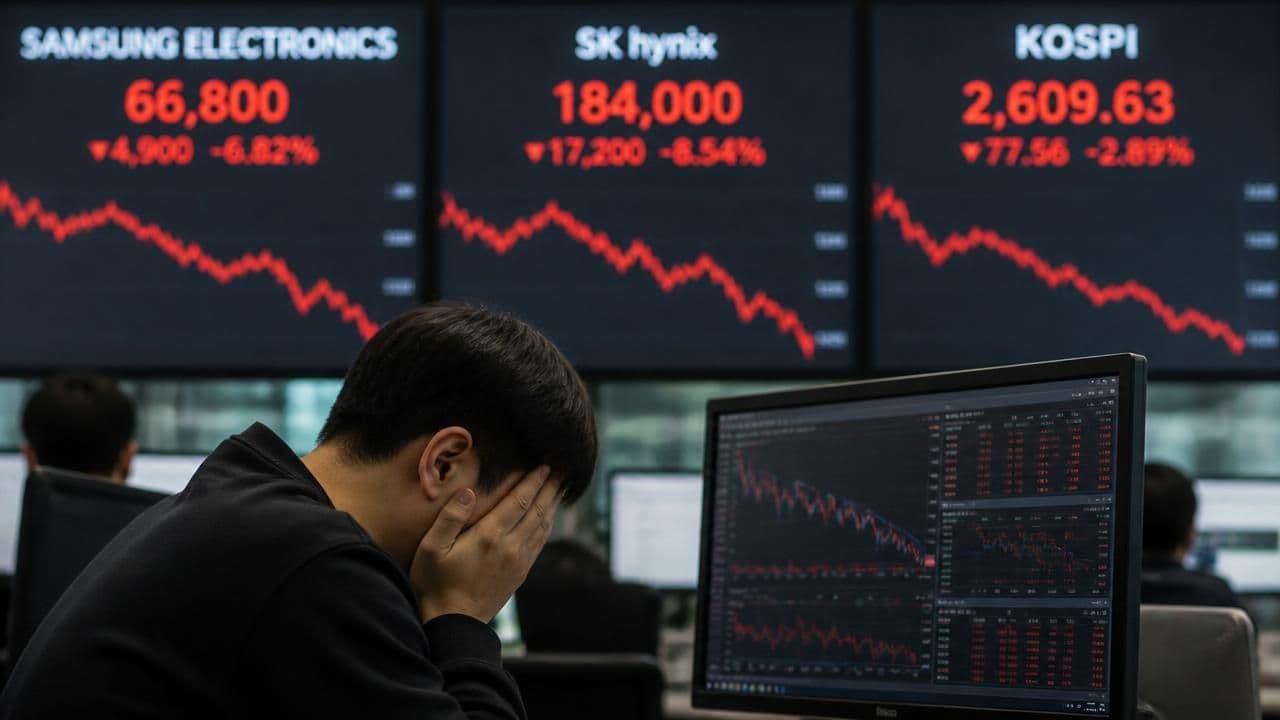
Corporate news was dominated by landmark listings and mega-mergers. SpaceX surged 11% in its public debut in June, followed weeks later by a high-grade bond sale that underscored investor appetite for space-related risk. SK Hynix made its US debut, while Lenovo surged to a 26-year high on strong AI growth. The China Show framed Lenovo's rise as evidence that Chinese tech firms can thrive despite US containment.
On the deal front, a global telecom mega-merger and a bailout caused by financial stress were featured on Bloomberg Deals, alongside the proposed United-American Airlines combination and actors' opposition to the Paramount deal. Walmart's warning hit retail and markets, signaling that consumer strength may be cracking.
Looking Ahead: A Market Between Euphoria and Caution
As Open Interest asked, are markets bracing for fallout or positioning for the next leg up? The S&P 500's longest weekly rally since 2023 suggests optimism, but the AI debt overhang, geopolitical flashpoints, and political uncertainty could quickly reverse the mood. As one veteran commentator put it during Bloomberg This Weekend—joined by former MI6 Chief Sir Richard Dearlove—intelligence, markets, and policy are becoming dangerously intertwined.
For now, investors are left to navigate a landscape where Nvidia forecasts trillion-dollar revenue, human urine is becoming a fertilizer option due to supply crunches, and dachshunds are taking over the dog world—all in the same week. Only in markets can such disparate threads converge into a single, restless narrative.