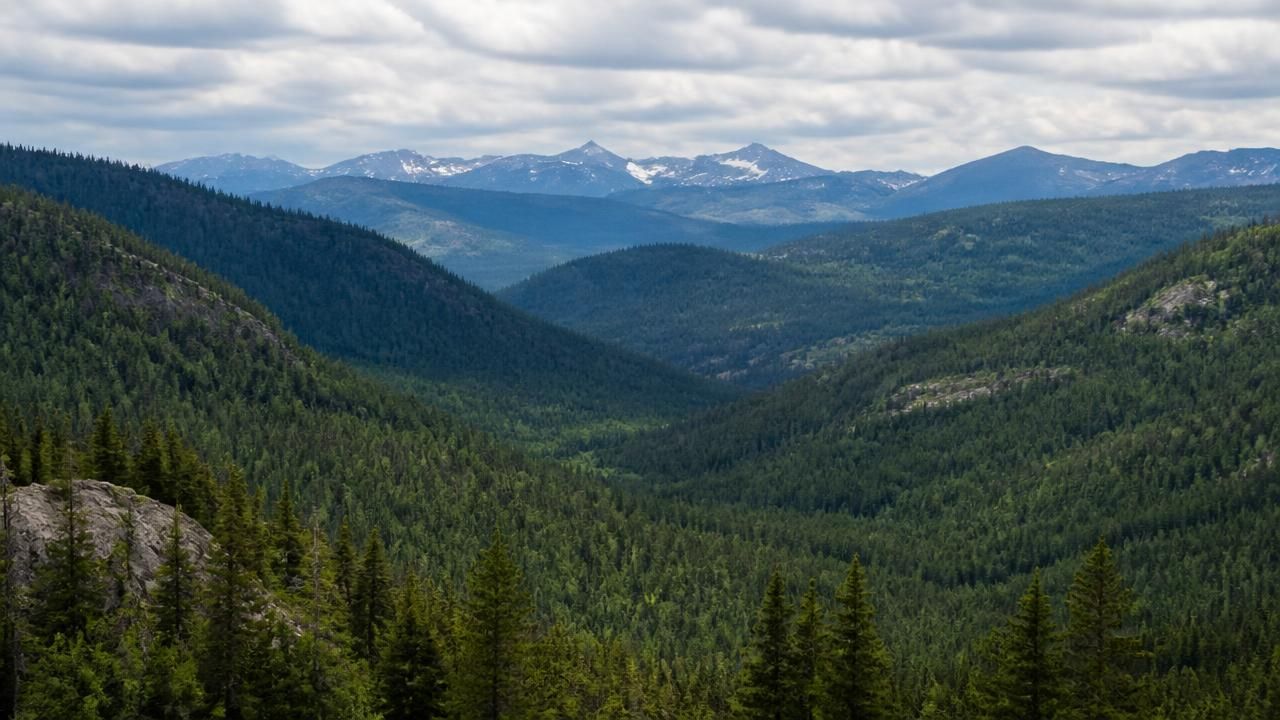
The steady hum of a distant highway is so ubiquitous in American life that it fades into the background. Yet across the lower 48 states, that hum is absent from only about 5 percent of the land — the last inventoried roadless areas and wilderness. Now, the Trump administration is moving to strip federal protections from many of those quiet places, rolling back the 2001 Roadless Rule that shielded nearly 60 million acres of national forest from road construction and logging.
The U.S. Department of Agriculture (USDA) has formally advanced a proposal to rescind the Roadless Rule, triggering a public comment period and setting the stage for a major shift in forest management. If finalized, the rule would no longer restrict road building and timber harvests in some of the country’s most pristine landscapes, from Alaska’s Tongass National Forest to the hardwood forests of Virginia and Kentucky.
A Rule Born of Conservation
The Roadless Rule was established in January 2001, in the final days of the Clinton administration, after 600 public meetings and more than 1.6 million public comments. It banned most roads and logging on 58.5 million acres of inventoried roadless areas within the national forest system. The rule was designed to protect clean drinking water, wildlife habitat, and recreational opportunities while preserving some of the last unbroken ecosystems in the country.
According to Ars Technica, the lower 48 states are crisscrossed by more than 4.2 million miles of public roads — enough to reach the Moon and back nearly nine times. That immense network leaves only a sliver of truly road-free terrain. The Roadless Rule, supporters argue, is essential to safeguarding that residual wildness.
But the Trump administration, under pressure from the timber industry and some Western governors, has long sought to weaken or dismantle the rule. A previous attempt in 2018 was struck down by a federal judge, but the USDA has now initiated a new rulemaking process, which critics see as an end-run around legal and environmental review.
State-by-State Impact
The proposed repeal would have far-reaching consequences. In Alaska, the Tongass National Forest — the nation’s largest national forest and a temperate rainforest teeming with eagles, bears, salmon, and old-growth cedar — would be particularly exposed. The Yale School of the Environment’s E360 calls the Forest Service plan “a threat to the heart of an Alaskan wilderness.”
In California, more than 4 million acres of forest could lose federal protection, according to the Desert Sun. Washington state faces impacts on 2 million acres, as reported by KING 5. In Virginia, advocates and lawmakers say 400,000 acres are at risk, per the Virginia Mercury. And in Kentucky, the iconic Red River Gorge — a haven for climbers, hikers, and rare species — could see new roads and logging under the proposal, according to the Courier-Journal.
The Cascade Daily noted that the federal government is “working to finalize a Roadless Rule repeal,” while the Milwaukee Journal Sentinel highlighted the opening of a public comment period. In New Hampshire, reaction is mixed, as InDepthNH.org reported: some residents fear economic losses if logging is restricted, while others see the repeal as an existential threat to the White Mountain National Forest’s wild character.
Supporters: Local Control and Economic Growth
Proponents of the repeal argue that the Roadless Rule is a one-size-fits-all federal mandate that ignores local needs. They contend that allowing states and local communities to manage roadless areas would boost rural economies through timber jobs, reduce wildfire risk by enabling fuel management, and improve access for recreation and emergency services.
“The Roadless Rule has tied the hands of our forest managers and hurt rural communities that depend on multiple-use forestry,” a USDA statement said. “This new approach respects the will of local communities and ensures that critical decisions are made closer to the people they affect.”
The timber industry has long complained that the rule restricts the harvest of mature trees that could be sold, and some Western counties say they lose revenue from lost timber sales. The administration also argues that the rule was never intended to be permanent and that state and tribal consultation should guide land management.
Opponents: A Bipartisan Legacy at Risk
Environmental groups and many Democratic lawmakers see the move as a betrayal of a bipartisan conservation legacy. The Center for American Progress called it part of “a broader dismantling of America’s protected lands,” noting that the Trump administration has also shrunk national monuments and opened the Arctic to drilling.
Critics point to the environmental costs — which even federal officials acknowledge in the rule’s own environmental impact analysis. According to MSN News, the administration’s assessment concedes that repealing the Roadless Rule could lead to increased sedimentation in streams, loss of wildlife habitat, and higher carbon emissions from logging.
“This is not a local-issues debate; it’s a national tragedy,” said a spokesperson for the Conservation Lands Foundation. “These roadless areas are the crown jewels of America’s public lands — they provide clean drinking water to millions, store vast amounts of carbon, and offer refuge for endangered species like the grizzly bear and salmon.”
In Alaska, the Tongass is often called the last large intact temperate rainforest on Earth. Its old-growth trees are among the most carbon-dense in the world, and the forest serves as a critical buffer against climate change. The Forest Service’s own analysis found that logging roads could permanently alter the landscape and fragment ecosystems.
Recreation and Peace at Stake
Beyond ecology, the Conway Daily Sun captured an equally poignant concern: the loss of silence. “Paving paradise” is how the paper described the plan, noting that roadless areas are increasingly valuable for their peace, solitude, and primitive recreation. Hunters, anglers, backpackers, and wildlife watchers generate billions of dollars in economic activity each year — often more than timber harvests.
A 2019 study found that roadless areas in the contiguous U.S. provide outdoor recreation worth up to $2.5 billion annually. Yet the administration’s cost-benefit analysis, advocates say, dramatically undervalues these non-commodity benefits.
What Happens Next
The USDA has opened a 60-day public comment period on the proposed rescission. Final action is expected later this year, potentially after the November election, though the timeline is uncertain. Legal challenges are all but certain: environmental groups have already signaled they will sue if the rule is finalized.
The Roadless Rule has survived multiple constitutional and procedural challenges since 2001, including a 2012 Supreme Court decision that upheld its legality. But this time, the fate of tens of millions of acres may depend less on the courts and more on the political winds of 2020.
As the comment period unfolds, Americans on both sides of the issue are being asked to weigh in. For now, the last quiet places in the lower 48 — and the great wilds of Alaska — remain in the balance.