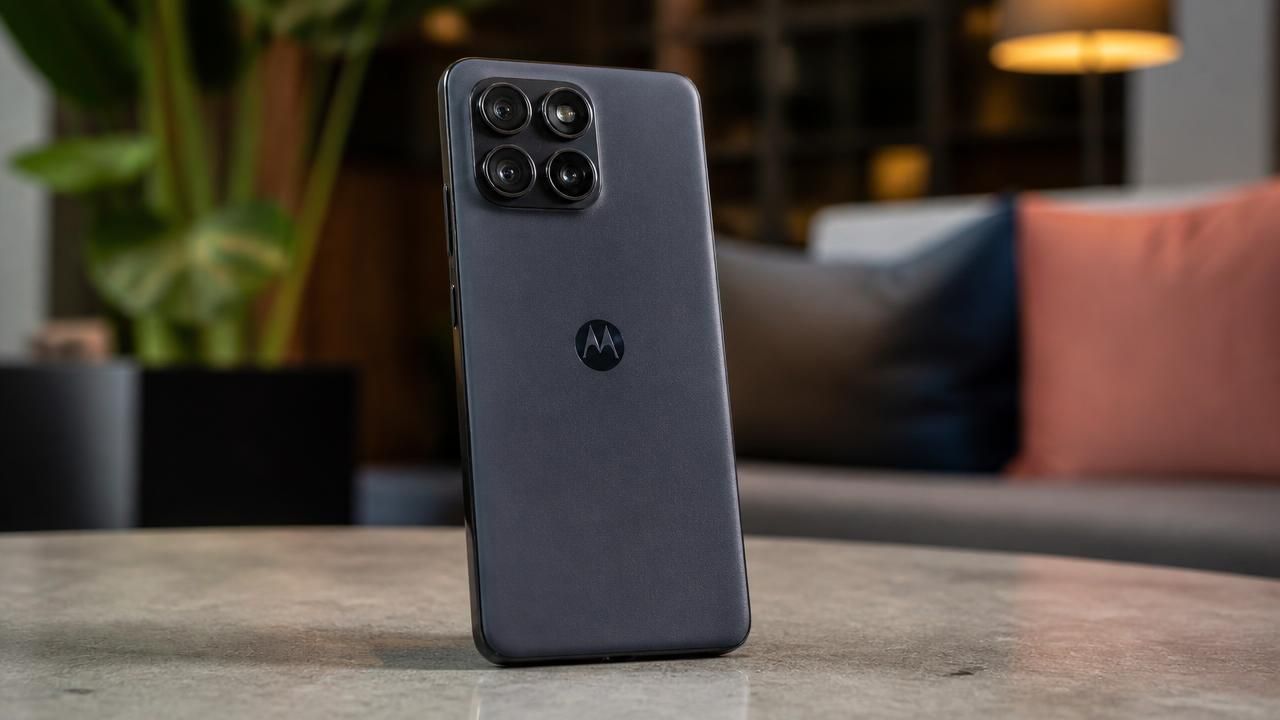
Motorola's long-anticipated partnership with GrapheneOS is finally taking concrete shape. The privacy-focused Android-based operating system, known for its stringent security hardening, will officially support future Motorola devices — but not until 2027, and only on premium flagship hardware that will carry a heftier price tag than Google's Pixel lineup. The announcement, delivered via Mastodon by the GrapheneOS team, ends months of speculation that began when Motorola and the OS makers first revealed their collaboration.
A New Partnership Takes Shape
Several months ago, Motorola and the GrapheneOS team announced a team-up that would expand the OS's support beyond Google's Pixel phones. At the time, details were sparse, leaving enthusiasts wondering whether the project would target budget-friendly devices or compete at the high end. The latest update confirms a clear direction: the first Motorola devices with official GrapheneOS support will be premium flagships, and they won't come cheap. According to the GrapheneOS team, pricing is expected to exceed that of comparable Pixel phones — a bold positioning in a market where Pixel already commands a premium for its own security and AI features.
The devices in question won't ship with GrapheneOS pre-installed, but they will be fully supported by the project with engineering assistance from Motorola itself. This marks a significant shift for GrapheneOS, which has historically limited support to Pixel phones due to strict hardware requirements that ensure the highest level of security and privacy. Until now, no other device manufacturer has met these exacting standards.
Why Pixels Only? The Hardware Hurdle
GrapheneOS's exclusivity to Pixel phones was never a marketing choice; it was a technical necessity. The OS's features — enhanced memory protection, granular network permissions, customizable app sandboxing, and a duress code that can wipe the phone — rely on specific hardware capabilities that Pixel devices offer. Those features include robust bootloader control, secure element integration, and reliable firmware update mechanisms. Motorola's challenge, then, was to build hardware that satisfies these rigorous requirements.
The 2027 timeline reflects the difficulty of that task. Motorola and GrapheneOS need time to design future devices with the necessary security architecture. The GrapheneOS team has been vocal about the fact that not all Android phones are equal in terms of security, and Motorola's willingness to align its hardware roadmap with GrapheneOS's needs is a testament to the growing demand for privacy-centric devices.
Qualcomm's Pivotal Role
One key enabler of this partnership is Qualcomm. In a separate post, the GrapheneOS team credited Qualcomm for making Motorola support a reality. Qualcomm's Snapdragon processors have evolved to offer better support for custom operating systems and enhanced security features. The collaboration between Qualcomm, Motorola, and GrapheneOS suggests a shared commitment to pushing the boundaries of mobile security.
This is particularly noteworthy because Qualcomm has historically been tight-lipped about supporting alternative operating systems. The company's chipsets now include a more open bootloader process and improved hardware-backed key management, which are critical for GrapheneOS's privacy guarantees. The result is a convergence of interests: Motorola gains a differentiating feature, Qualcomm gains a high-profile use case for its secure hardware, and GrapheneOS expands beyond Google's ecosystem.
Premium Pricing Strategy
The decision to position the Motorola GrapheneOS phones as premium devices — priced even higher than Pixels — is a strategic one. The current Pixel lineup starts at $900 for the base Pixel 11, a $100 increase from the previous generation, and the Pixel 11 Pro XL has climbed to a staggering $1,300. GrapheneOS's Motorola phones are expected to exceed those figures, presumably reflecting the added costs of security certification, smaller production runs, and the niche market they target.
While this pricing may deter budget-conscious privacy advocates, it aligns with GrapheneOS's philosophy: security is not a commodity, and the highest level of protection requires premium hardware. It also signals that Motorola sees this as a halo product rather than a volume seller, much like Google's own Pixel line.
The Significance of GrapheneOS
GrapheneOS has long been regarded as the gold standard for Android privacy. Its features go beyond what mainstream Android offers, including:
- Enhanced memory protection that mitigates exploit chains
- Granular network permissions that prevent apps from leaking data
- Customizable app sandboxing for containing malicious software
- A duress code that instantly wipes the device under coercion
That last feature drew headlines earlier this year when an activist used a duress code to delete his data during a customs interrogation, a move that led to felony charges. This anecdote underscores both the power and the controversy of such tools, yet it also highlights why privacy-conscious users seek out GrapheneOS in the first place.
What to Expect in 2027
While the exact models and specifications remain under wraps, the GrapheneOS team has provided some clarity. The upcoming Motorola phones will be premium flagship devices, likely powered by the latest Qualcomm Snapdragon chipsets and featuring top-tier cameras, displays, and build quality. They will not ship with GrapheneOS out of the box, but the official support means users can securely install and maintain the OS with confidence.
For Motorola, this partnership is a bold bet on privacy as a differentiator. The company has historically competed on mid-range value, so stepping into the ultra-premium segment with a security-focused device is a departure. For GrapheneOS, it represents validation of its approach and a path beyond the Pixel ecosystem.
Different Framings of the Announcement
Media coverage of the news reflects varying emphases. Ars Technica focused on the pricing and the duress code controversy, framing the announcement as a premium push that might price out average users. PCMag highlighted the expansion of GrapheneOS to non-Pixel hardware, calling it a major milestone for privacy advocates. Meanwhile, sources like Android Pure and MSN credited Qualcomm for enabling the partnership and delved into the technical reasons for the 2027 delay. This diversity of angles underscores the significance of the move: it is simultaneously a business decision, a technical achievement, and a political statement about privacy in the digital age.
Conclusion
The arrival of GrapheneOS on Motorola hardware, when it comes in 2027, will be a landmark moment for mobile privacy. The premium pricing may limit the audience, but it sets a precedent: there is a market for devices that put security above all else. As Qualcomm, Motorola, and GrapheneOS align their roadmaps, the rest of the industry will be watching. For now, privacy enthusiasts have a date to look forward to — and a reason to start saving.