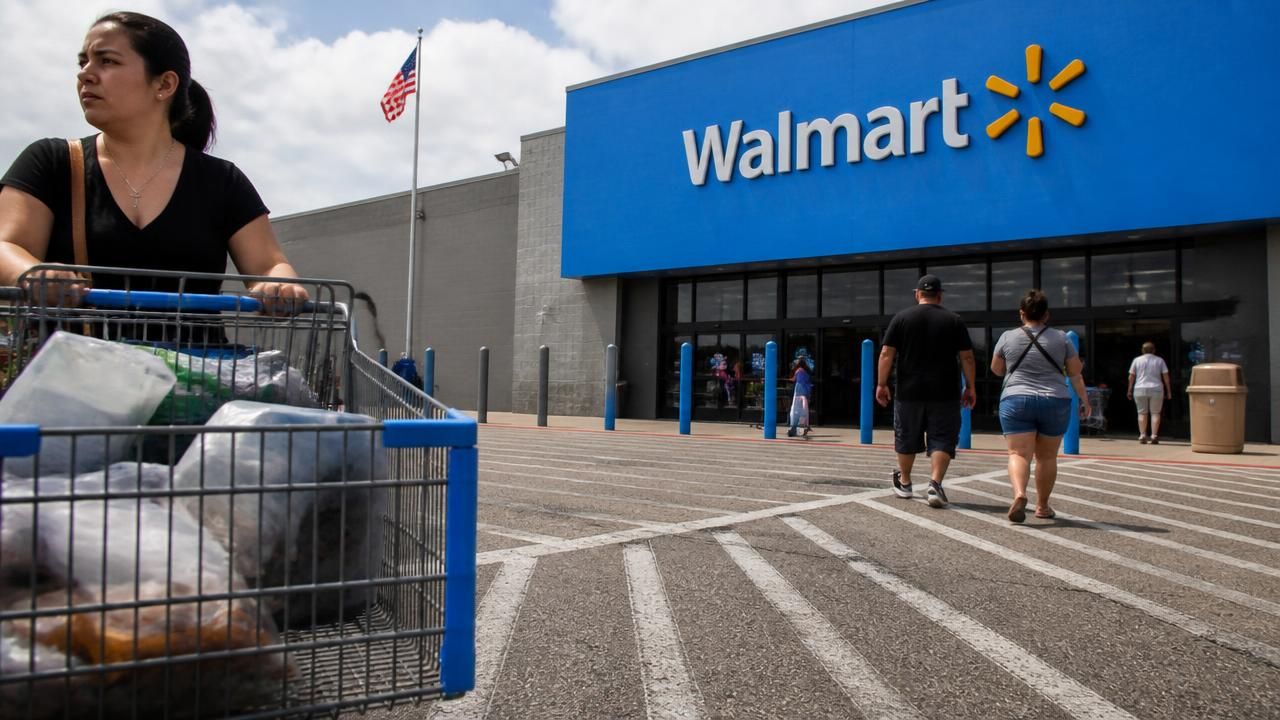
Walmart Inc. delivered a rare quarterly sales miss on Thursday, sending its shares down as much as 10% and wiping out roughly $81 billion in market value. The world's largest retailer reported that US comparable sales — those from stores open at least a year, excluding fuel — rose just 2.6% in the second quarter, the slowest pace in more than six years and shy of the lowest analyst estimate compiled by Bloomberg. The disappointment rattled financial markets, dragged down the Dow Jones Industrial Average and sparked fresh worries about the resilience of the American consumer.
A Rare Miss for the Retail Giant
Walmart has long been viewed as a barometer of US consumer health, and its frequent earnings beats have made the company a favorite among investors seeking stability. This quarter, however, the picture was different. Even as total revenue reached $188 billion, the company's profit outlook also missed forecasts, casting a shadow over its performance.
The slowdown was driven primarily by pricing pressure in Walmart's pharmacy business, according to Bloomberg, but the broader takeaway is that even the most formidable big-box retailer is feeling the pinch of a slowing economy. "This is a rare miss for Walmart, and it signals that the US consumer is finally hitting a wall," said Poonam Goyal, Senior US Retail Analyst for Bloomberg Intelligence. "We're seeing softness in discretionary categories and increased caution among lower-income shoppers."
Markets React
The market response was swift and severe. Shares fell as much as 10% intraday, the biggest drop since 2022, erasing the stock's modest year-to-date gain. The sell-off rippled across Wall Street: US equity futures fell, the Dow led declines, and bond yields rose as investors rotated into safer assets. Initial jobless claims also rose, adding to the gloomy picture.
The broader market context made the news even more unsettling. Oil prices extended their rally, raising concerns about inflation, while Amazon Prime sign-ups slowed despite an expanded push around Prime Day, according to data from Reuters. PepsiCo also reported a rare sales decline, blaming price hikes for hitting demand. Together, these data points paint a troubling picture: corporate pricing power is fading, and consumers are pushing back.
A Broader Consumer Slowdown?
Walmart's miss is not an isolated incident. It follows a pattern of weakening demand signals across the retail and consumer goods sectors. Amazon's Prime membership growth has stalled, and PepsiCo's volume declines suggest that shoppers are trading down or cutting back on packaged goods. "When you have Walmart, Amazon, and Pepsi all signaling weakness, that's a trifecta of consumer stress," noted a market strategist at a major trading desk.
Historically, Walmart has been the last to feel a downturn because its low-price model attracts cost-conscious consumers. Its ability to maintain sales growth during past recessions made the current miss all the more striking. The 2.6% comparable sales increase, while still positive, lags even the most bearish forecasts and marks the weakest growth since the aftermath of the Great Recession.
What Went Wrong?
Company executives pointed to specific headwinds, including deflation in grocery prices and intense competition in the pharmacy sector. But analysts say the real issue is broader: the US consumer is becoming more selective amid decades-high interest rates, dwindling pandemic savings, and a cooling labor market. "The consumer is not broken, but they are very, very cautious," said one retail analyst. "They're buying essentials, but the discretionary purchases are being postponed."
Fed Implications: 'Bad News Is Good News'?
Oddly, the grim retail data may have a silver lining for monetary policy. Some investors argue that a weakness in consumer spending could convince the Federal Reserve to cut interest rates sooner than previously anticipated. This "bad news is good news" narrative has gained traction on Wall Street, where traders are now pricing in a more aggressive pace of easing. The logic: if the economy is slowing fast enough to dent Walmart's sales, the Fed will need to respond to prevent a more severe downturn.
"A miss like this is exactly what the Fed needs to see to justify a rate cut," said a portfolio manager at a fixed-income fund. "If the labor market starts to crack, you'll see a rapid repricing of Fed expectations, and that could support high-multiple stocks even as consumer stocks suffer."
However, not everyone is convinced. Rising oil prices and stubborn inflation could limit the Fed's flexibility. The central bank has maintained that it is 'data-dependent,' and a single quarter of Walmart sales may not be enough to shift the narrative.
Outlook
For Walmart, the path forward remains uncertain. The company is still guiding for full-year growth, but the lowered profit outlook suggests management sees more turbulence ahead. The retailer is investing heavily in automation and e-commerce, but those initiatives may take time to offset shifting consumer behavior.
For the broader market, the question is whether Walmart is an outlier or the canary in the coal mine. With Amazon Prime sign-ups slowing, PepsiCo reporting a sales decline, and Walmart missing on both sales and profit, the evidence points to a synchronized deceleration. That could be bad news for corporate earnings across the board, but it may also open the door for the Fed to ride to the rescue.
"Walmart is the ultimate bellwether. When it blinks, the whole economy feels it," said one analyst. "The next few quarters will test whether the consumer can keep spending and whether the Fed can navigate a soft landing."
As Wall Street digests the implications, one thing is clear: the era of effortless consumer spending is over, and investors should brace for more volatility.