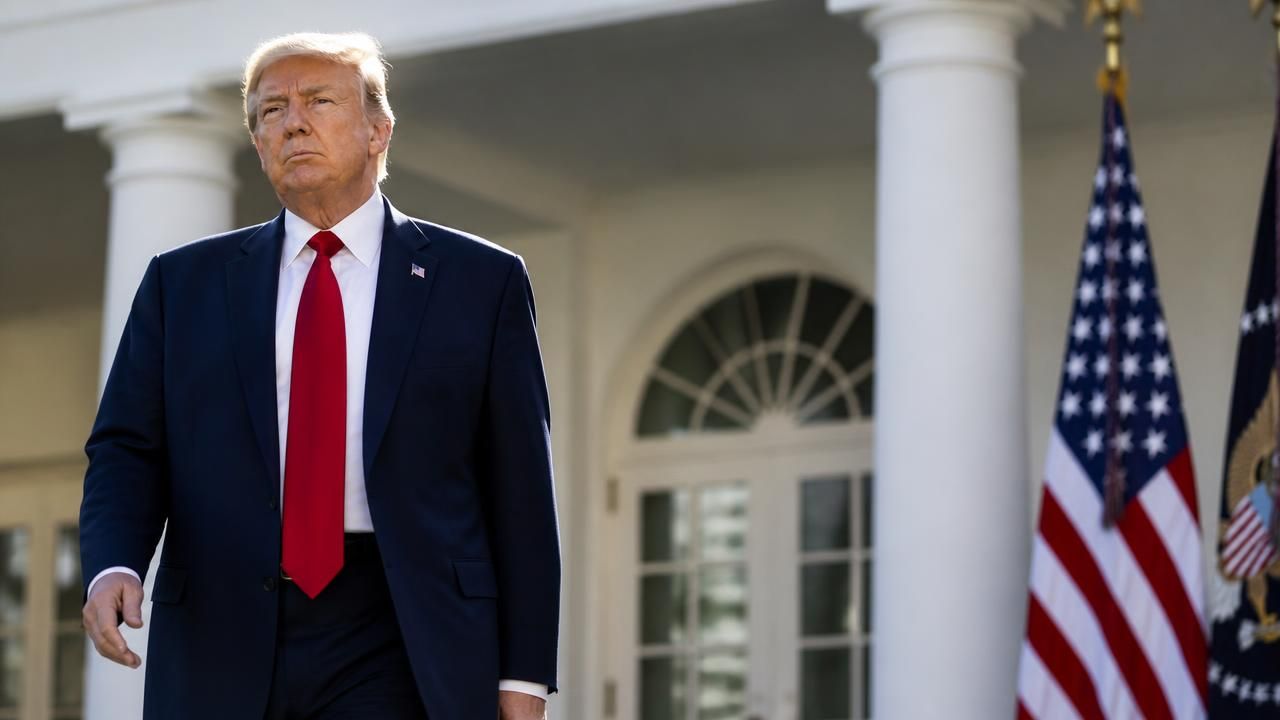
President Donald Trump enters one of the most consequential weeks of his second term with a volatile mix of foreign policy gambles, legal challenges, and domestic political pressures. The president has declared economic warfare on Iran, announced a ceasefire after a series of intense strikes, and faced a Supreme Court hearing over his sweeping tariffs—all while preparing to deliver a State of the Union address that many see as a critical moment to recapture momentum. The convergence of these issues underscores the high-stakes environment in Washington and abroad, with allies and adversaries alike trying to discern the administration’s next moves.
Iran: From Economic Warfare to Ceasefire
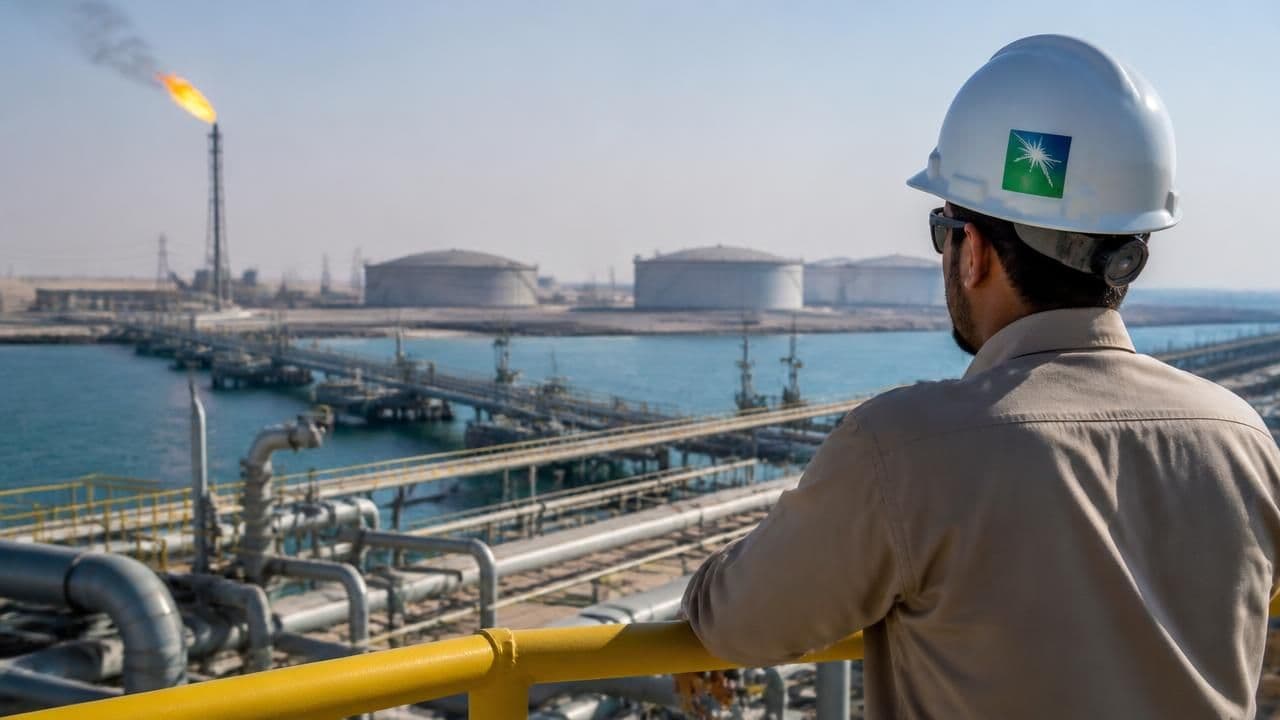
Trump’s approach to Iran has been defined by maximum pressure, but the past week has seen a dizzying escalation. The president declared “economic warfare” on Tehran, seeking to force the regime back to the negotiating table. That rhetoric quickly translated into military action, with the White House announcing the “most intense” day of strikes on Iran, according to PBS News. CBS News reported Trump saying the war could wrap up in two to three weeks, as gas prices surged past $4 a gallon—a stark reminder of the global economic stakes.
But then, in a dramatic pivot, Trump announced an Iran ceasefire ahead of an 8 p.m. deadline, with Politico noting that he framed it as a success. Reuters later carried his declaration that the war was “terminated.” Yet the situation remains fluid: Tehran says communication channels are open with Washington, and the Pentagon is preparing to deploy more troops, as The Guardian reported. The president has also called for the overthrow of Iran’s government, a statement that drew sharp criticism from experts who warned of escalating instability.
“Trump is losing one battle after another. Cue the posts,” observed Politico, capturing the president’s combative social media response to his critics.
Meanwhile, Congress has struggled to assert its authority. The Senate blocked the latest bid to rein in Trump’s Iran war powers, even as support for such measures grows, according to Reuters. Legal experts at Just Security argued that Congress has tools to end the war and prevent the next one, but the political will remains elusive. The New York Times noted that a 60-day deadline could soon force Trump to revisit his conflict strategy, while critics accuse him of reveling in threats that could constitute war crimes.
Supreme Court Takes on Tariffs
In a separate arena, the Supreme Court heard oral arguments in a landmark case challenging the president’s authority to impose sweeping tariffs. Trump recently announced an increase in global tariffs from 10% to 15%, a move that has alarmed trading partners and markets. During the hearing, conservative justices sharply questioned the administration’s legal rationale, as BBC News reported. The case centers on the International Emergency Economic Powers Act (IEEPA), the law Trump used to justify the tariffs, which The New York Times explained was intended for national emergencies, not trade policy.
The Guardian framed the dilemma: “The president who cried tariffs: will the US supreme court challenge Trump’s trade war?” The case is being watched around the world, as a ruling against the administration could dismantle his trade agenda overnight. Meanwhile, the UK and EU are seeking clarity on trade deals, with Trump threatening “obnoxious” tariffs if they don’t yield to his demands, according to The Guardian.
The IEEPA Dispute
Legal scholars and lawmakers are divided on whether IEEPA grants the president unfettered authority to set tariffs. The Supreme Court’s decision, expected by summer, could redefine the balance of power between the executive and Congress on trade. For now, businesses and global allies are bracing for continued uncertainty.
State of the Union and the Political Fallout
Amid these crises, Trump is set to deliver the State of the Union address, a speech that France24 notes will occur amid anxieties over Iran, tariffs, and the economy. The president is expected to pitch a positive economic message, but critics, like the LA Times columnist, argue that “the world may be done bending to Trump’s will.” The New York Times also reported that critics see Trump’s recent remarks as revealing a billionaire out of touch with average Americans.
Even his once-faithful allies are beginning to show cracks. In a surprising move, Trump sat down with Michael Cohen, his former fixer-turned-critic, on a radio show, signaling an attempt to control the narrative. Meanwhile, international tensions extend beyond Iran and trade: Italy, France, Germany, and the UK jointly condemned Israel’s new planning notices in the West Bank as “unacceptable,” adding another layer to an already volatile geopolitical landscape.
International Reactions and the Road Ahead
The world is watching Washington with a mix of alarm and cautious hope. On Iran, allies are wary of U.S. policy shifts, even as Trump claims victory. On tariffs, trading partners are waiting for the Supreme Court’s ruling before making long-term commitments. And on the domestic front, the State of the Union offers Trump a platform to reset his agenda.
What remains clear is that Trump’s leadership style—unpredictable, confrontational, and transactional—has created profound uncertainty. Whether he can sustain his “economic D-Day” against Iran (as NTD put it) while navigating the courts and Congress will define his presidency. The coming weeks will test whether Trump can convert his bluster into lasting wins, or whether the confluence of crises will overwhelm his agenda.
As the world holds its breath, one thing is certain: the next few months will shape the global order in profound ways, from the Middle East to the world’s trading floors.