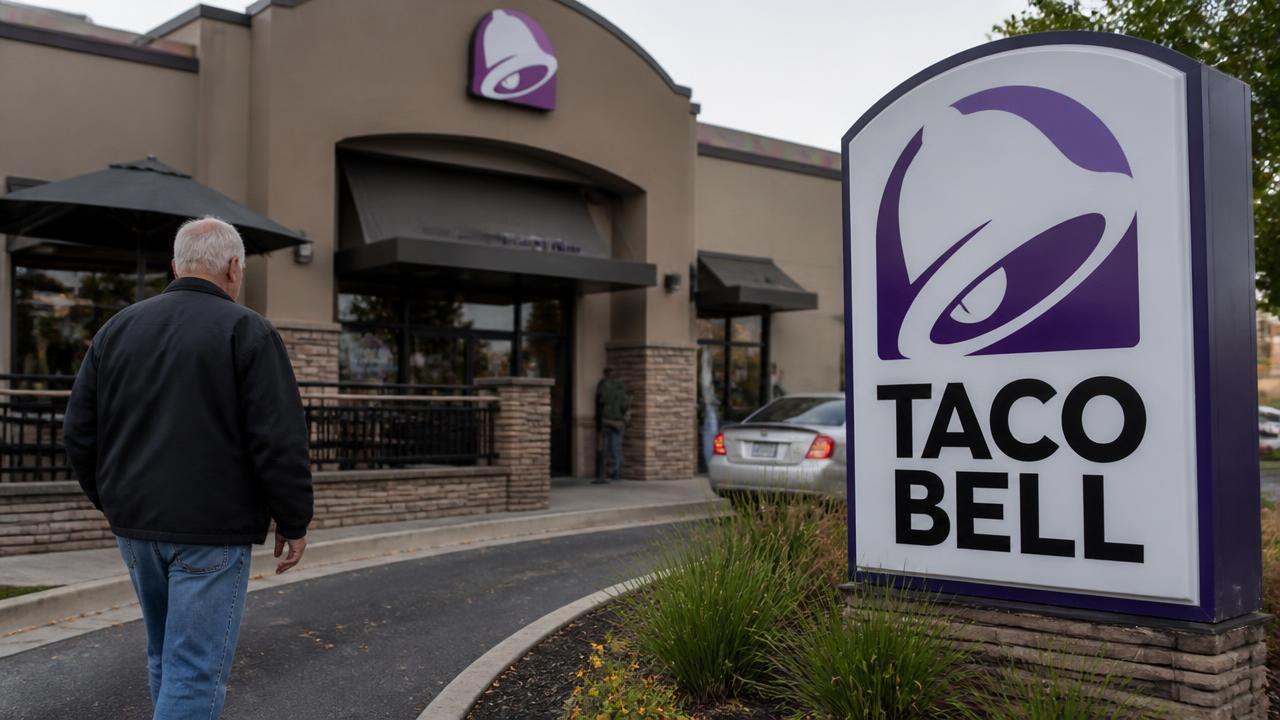
The United States is in the midst of its largest cyclosporiasis outbreak on record, with more than 22,000 confirmed cases across dozens of states. The parasitic illness, which causes severe diarrhea, cramping, and fatigue, has been traced to lettuce served at Taco Bell restaurants, according to the Food and Drug Administration (FDA) and Centers for Disease Control and Prevention (CDC). But as the outbreak finally shows signs of slowing, a deeper controversy is simmering: whether the federal government's own budget cuts and policy decisions have weakened the nation's ability to detect and respond to foodborne threats.
Public health officials say the outbreak — which began in late spring and peaked in mid-summer — is a stress test for a system already reeling from staffing reductions and laboratory closures. The Trump administration's sweeping cuts to the Department of Health and Human Services (HHS) and the CDC last year were intended to streamline operations, but critics argue they have left state and local health departments scrambling for resources. NPR's investigation described the response as a test for a 'weakened' health system, while The Guardian reported that the cuts hindered outbreak investigation and laboratory surge capacity.
A Political Flashpoint
The outbreak has thrust Health and Human Services Secretary Robert F. Kennedy Jr. into the spotlight. Kennedy has repeatedly promised to overhaul the food system and rebuild public trust in the CDC, but his agency's handling of the crisis has drawn sharp criticism. In a press briefing last week, Kennedy declared the outbreak 'under control' — a statement that USA Today fact-checkers noted conflicts with the ongoing case count and CDC's own warnings.
'The parasite is not spread person-to-person, and the food source has been identified, so we are past the peak,' Kennedy said. 'I want to reassure the American people that our food safety systems are working.'But public health scientists and former CDC officials disagree. An op-ed in USA Today by a public health researcher called the response 'an ethical failure,' arguing that delays in whole-genome sequencing and a lack of coordinated communication allowed the outbreak to spiral. The New Republic lampooned Kennedy's position with a headline asking how he'd handle 'explosive diarrhea' — a symptom of the disease — while his boss, former President Donald Trump, had gutted the very agencies tasked with stopping it.
How the Outbreak Unfolded
The first cases were reported in early May in several southern states, but the CDC did not announce a multistate investigation until June. By July, the case count had eclipsed the previous record set in 2018, with infections reported in 43 states. Florida, Texas, and Ohio have been hardest hit, according to USA Today's state-by-state data. Nevada has so far escaped the worst, but local health officials remain on high alert, as the Las Vegas Sun reported.
Investigators eventually zeroed in on contaminated lettuce from a single grower that supplied Taco Bell. The FDA traced the contamination to Taylor Farms, a Salinas, California-based producer that has been linked to multiple outbreaks in recent years. Infection Control Today noted that this is not Taylor Farms' first brush with a cyclospora outbreak — a fact that has led consumer advocates to question whether the company's internal food safety protocols are sufficient. Meanwhile, MSN reports that bread products have also been found contaminated with glass in a separate incident, raising broader questions about the safety of the U.S. food supply.
Economic Ripples and Medical Response
The outbreak has had an immediate economic impact. Lettuce prices plunged by a record monthly amount in July as consumers avoided salads and fresh produce. According to industry data, prices dropped by nearly 15% in one month — an unprecedented decline — as schools and restaurants pulled lettuce from menus. The outbreak also prompted Roche Diagnostics to launch two new cyclospora tests, including a rapid PCR test for clinical use and a food-testing assay for producers. Health care providers are being urged to maintain a 'high degree of suspicion' for cyclospora, even in patients who haven't traveled internationally, as Healio reported.
Diagnostic Gaps
One of the reasons the outbreak was so large, experts say, is that cyclospora is notoriously difficult to detect. The parasite's oocysts are often missed by routine stool exams, and many patients go through multiple rounds of misdiagnosis before receiving proper treatment. 'We are seeing cases in patients who were treated for bacterial infections or even irritable bowel syndrome, because their doctors didn't think to test for Cyclospora,' said Dr. Annette Regan, an epidemiologist at the University of San Francisco, in an interview. 'By the time they are correctly diagnosed, they've been sick for weeks.'
The CDC's diagnostic guidance was updated in June, but labs in states with severe budget cuts reported delays in acquiring reagents and sequencing equipment. As CEPR bluntly put it in a headline, 'How Donald Trump Made It Easier for You to Get Diarrhea.'
The Road Ahead
As case counts finally begin to decline — Today.com reported that the number of new infections is trending down — the focus is shifting to accountability and reform. Kennedy has called for a 'root cause analysis' and pledged to 'restore faith in our food safety system,' but his critics note that his own budget proposals would cut CDC's food safety division by 20% next year. Meanwhile, state public health departments are bracing for future outbreaks, worried that the federal safety net will be even thinner.
The cyclospora crisis is a case study in how foodborne illness can expose the fragility of public health infrastructure. It also illustrates how a single contaminated batch of lettuce can have ripple effects across healthcare, industry, and politics. For the thousands of Americans who suffered through weeks of debilitating illness, the outbreak is a reminder that food safety is not a given — it is an ongoing effort that requires constant vigilance, robust funding, and rapid, coordinated response.
As the investigation continues, the FDA has issued new guidelines for leafy green producers, and Taco Bell has announced it will only source lettuce from growers with advanced water-safety certifications. But for many experts, the deeper lesson is simple: the United States cannot afford to gut the very agencies that protect its food supply. 'This outbreak was preventable,' wrote the public health scientist in Metro Times. 'And if we don't learn from it, the next one will be worse.'