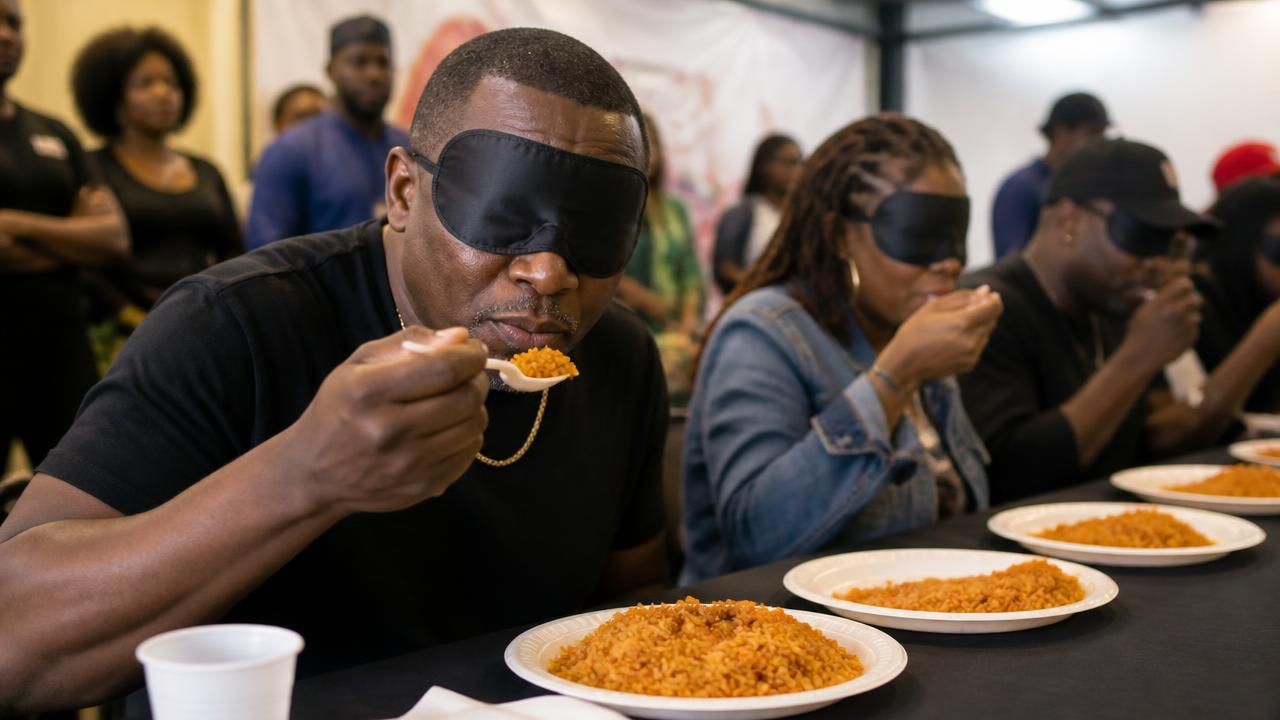
In the pantheon of West African cuisine, no dish inspires more passionate debate than jollof rice. Fragrant, tomato-rich, and infused with spices and meat, it is a staple across the region—but each country claims its version is the definitive one. The rivalry between Nigeria and Ghana, in particular, is legendary. This week, the battle moved to Washington, D.C., where a traveling festival hosted a blind taste test to let foodies settle the score—or at least have fun trying.
A Blind Test in the Nation's Capital
The event, organized by a pan-African food festival touring the United States, brought together chefs, home cooks, and curious eaters for an impartial showdown. Each participant received a plate of jollof rice from a different country, with no labels attached. After tasting, they rated the samples based on flavor, aroma, texture, and overall appeal. The goal was to determine, in a scientifically delicious way, which nation truly makes the best jollof.
According to NPR, the event drew a diverse crowd of West African expats and food enthusiasts. Many arrived with strong loyalties, but the blind format forced them to focus on taste alone. "When you know which one is which, your biases take over," said one attendee. "But with your eyes closed, it's just about what your palate tells you." The room buzzed with exclamations of surprise as tasters guessed (often incorrectly) which sample came from where.
IShowSpeed's Father Joins the Fray
The D.C. event wasn't the only blind taste test making waves. In a separate but equally viral moment, the father of popular online streamer IShowSpeed participated in a head-to-head taste test between Nigerian and Ghanaian jollof rice. The clip, which circulated widely on social media, featured the elder Speed—known for his candid reactions—sampling both versions. After careful consideration, he announced his winner, sending fans of both countries into a frenzy. While the exact pick isn't available here, the video highlights how the jollof debate transcends generations and even reaches into internet pop culture.
This crossover between a familial YouTube moment and a formalized tasting event underscores the dish's cultural weight. Jollof rice isn't just food; it's a symbol of national pride, a conversation starter, and often, a friendly (or not-so-friendly) argument starter.
Why Nigerian Jollof Is 'Rated' the Best
The claim that Nigerian jollof is superior is not new. A recent listicle titled "5 reasons Nigerian jollof rice is 'rated' the best" makes a case that resonates with many fans. Among the reasons cited:
- Smoky flavor: Nigerian jollof is traditionally cooked over an open flame, giving it a distinct charred, smoky essence that other versions may lack.
- Rich tomato base: The blend of fresh tomatoes, peppers, and tomato paste creates a deep, savory foundation.
- Spice blend: Nigerian cooks often use a mix of thyme, curry powder, and other spices that add complexity without overpowering the dish.
- Party jollof: The Nigerian version is a staple at celebrations, and the association with joy and festivity enhances its appeal.
- Confidence: As the listicle argues, "We simply know our jollof is unmatched, and we're not afraid to say it."
Ghanaian fans, of course, beg to differ. Their version often uses a different rice variety and includes additional seasonings like ginger and garlic. The debate rages on, and the blind taste tests add a layer of empirical - if playful - evidence.
A Rivalry Rooted in History
The origins of jollof rice trace back to the Senegambia region, from the Wolof people (hence the name). As it spread across West Africa, each country adapted the recipe to local ingredients and preferences. In Ghana, it's often served with fried plantains and shito (a spicy pepper sauce). In Nigeria, it might come with fried chicken, coleslaw, or dodo. The variations reflect the continent's diversity and culinary creativity.
For many, the jollof debate is a lighthearted proxy for deeper cultural pride. "When you ask who makes the best jollof, you're asking about heritage, family, and tradition," explains a food historian familiar with the region. "It's a way to celebrate your identity through taste."
What the Blind Tests Reveal
Back in D.C., the results remained close. While no official winner was declared (the event was more about community than competition), the conversations continued long after the plates were cleared. Some tasters left with their loyalties shaken; others felt vindicated.
But perhaps the true takeaway is that jollof rice, in all its regional forms, is a triumph of West African cuisine. Whether you prefer the smoky notes of Nigerian jollof or the delicate balance of Ghanaian jollof, the dish unites millions across the diaspora. As IShowSpeed's father's viral tasting proved, even a blindfold can't hide the love people have for this beloved staple.
So, which country makes the best jollof? The answer may depend on where you grew up, what your grandmother cooked, or simply the plate in front of you. The beauty of the debate is that it keeps the tradition alive—one delicious pot at a time.