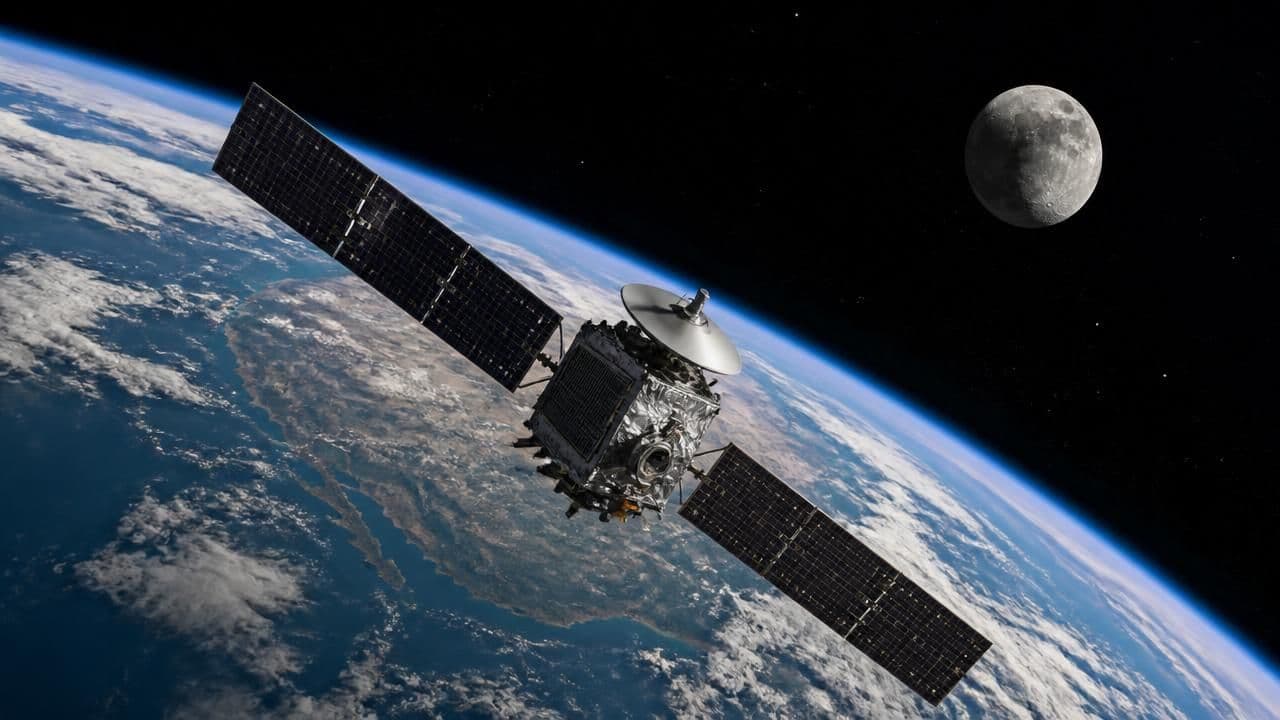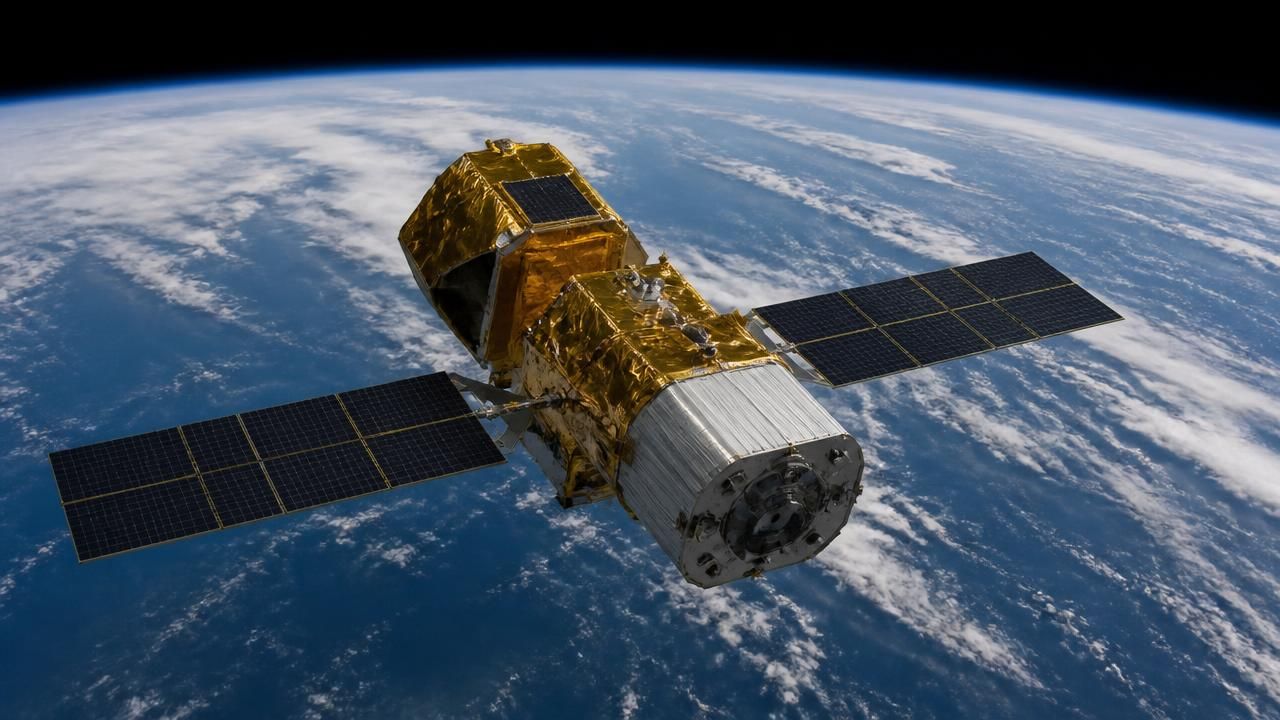
In a high-stakes mission that has captivated the space community, NASA's ambitious plan to rescue the aging Neil Gehrels Swift Observatory has encountered a major complication. The commercial spacecraft dispatched to boost the telescope to a higher orbit is itself spinning out of control due to an attitude control issue, forcing NASA and Katalyst Space to revise their strategy. While the original goal of capturing and reboosting Swift has been scrapped for now, the mission will still attempt a rendezvous and proximity operations demonstration, offering a glimpse into the future of satellite servicing.
A Telescope in Peril
Launched in November 2004, the Neil Gehrels Swift Observatory has spent more than two decades peering into the cosmos, detecting gamma-ray bursts, X-ray flashes, and other high-energy cosmic events. Named after its principal investigator, Swift has been instrumental in studying some of the most violent explosions in the universe, from collapsing stars to black hole mergers. But after 20 years in low Earth orbit, Swift is gradually losing altitude due to atmospheric drag. Without intervention, it will eventually re-enter the atmosphere and burn up, ending a highly productive scientific mission.
Estimates suggest Swift could lose controlled re-entry within the next few years. To extend its life, NASA turned to a novel solution: a commercial spacecraft that would rendezvous with the telescope, attach itself, and fire thrusters to push Swift back into a sustainable orbit. This would mark the first time a satellite never designed for servicing has been rescued by another spacecraft.
The LINK Mission
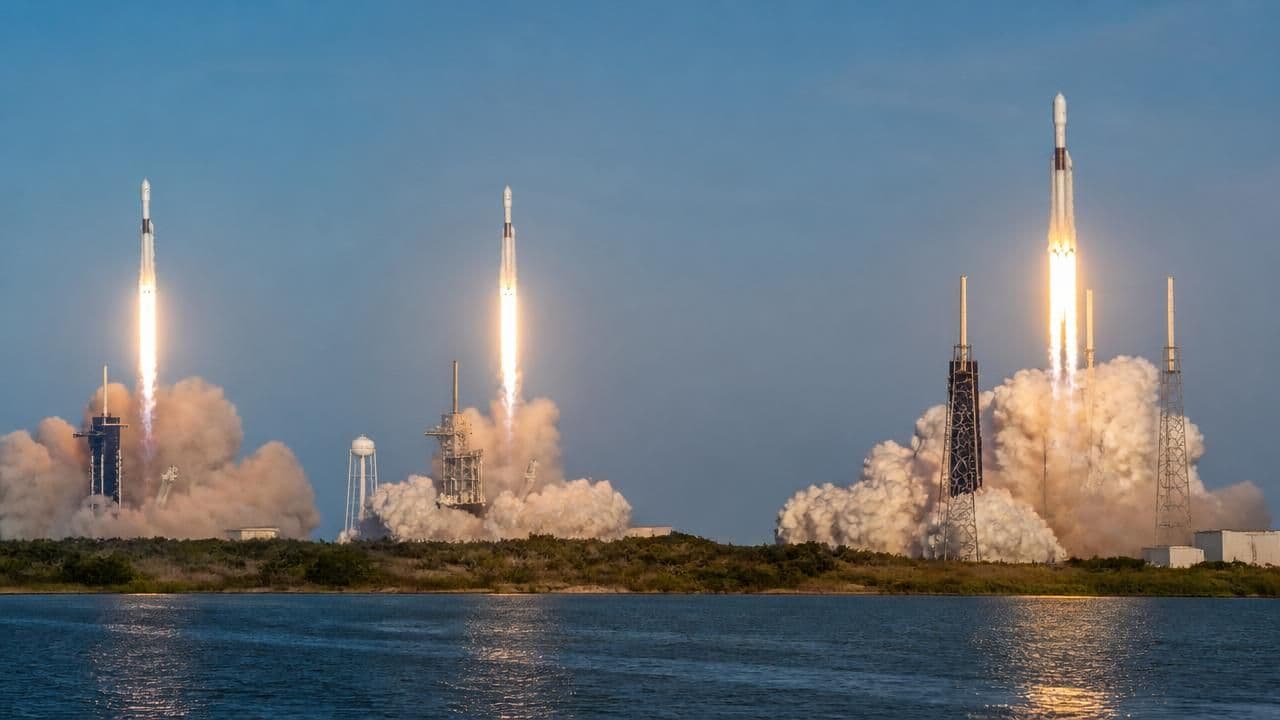
The rescue vehicle, called LINK, was built by Katalyst Space, a startup specializing in satellite servicing and orbital logistics. The spacecraft launched aboard a Northrop Grumman Pegasus rocket, which was dropped from a modified aircraft before igniting its own engines—a unique air-launch method that added to the mission's complexity. The launch itself was successful, placing LINK into orbit with the intent of chasing down Swift.
NASA awarded Katalyst a contract to demonstrate the reboost capability, with the agency emphasizing the mission's high-risk, high-reward nature. Administrator Jared Isaacman said at the time, "NASA should be willing to move quickly and take smart risks when the potential return is worth it." The mission was hailed as a trailblazer for a new era of satellite life extension.
Attitude Control Failure
But after reaching orbit, LINK encountered a serious problem: an ongoing spacecraft attitude control issue. Sources familiar with the mission described the spacecraft as "spinning in space," unable to stabilize its orientation sufficiently to attempt the delicate capture maneuver. On Wednesday, NASA and Katalyst jointly announced that LINK would not be able to capture and boost Swift as planned.
Instead, the mission will proceed with a reduced scope—attempting rendezvous and proximity operations (RPO) with Swift. This will allow the team to demonstrate critical capabilities such as navigation, tracking, and close-approach operations, even if the actual physical attachment is out of reach. "This is not the outcome we were working toward, but it does not change why this mission was worth attempting," Isaacman said in a statement. "We are going to learn everything we can from LINK's rendezvous attempt and put those lessons to work on the missions that follow."
Different Framings, Same Story
The news has been covered widely, with outlets emphasizing different angles. USA Today called the situation "an alarming turn," while CNN described the launch as a "daring rescue mission" for a 3,200-pound observatory. Ars Technica focused on the technical failure, noting that "attitude control issues leave Swift rescue mission spinning in orbit." Space.com quoted an unnamed engineer saying, "No one thought it was going to be possible," highlighting the audacity of the endeavor.
The space industry is watching closely because the outcome could shape the future of satellite servicing. If LINK can still manage to approach Swift safely, it would prove that commercial spacecraft can operate in close proximity to uncooperative targets—a foundational capability for future debris removal, refueling, and repair missions.
The Road Ahead
NASA and Katalyst are now assessing how to maximize data collection from the rendezvous attempt. Even without a physical boost, the proximity operations will yield valuable engineering data. The teams are also investigating whether the attitude control problem can be resolved for future attempts.
For Swift, the clock is ticking. Each day the telescope sinks lower, and the atmospheric drag increases. But there is hope that a future mission—perhaps a upgraded rescue vehicle—could still arrive in time. The original contract hinted at a 2026 launch window, and while this mission may fall short, the infrastructure and knowledge gained will inform the next generation of servicing spacecraft.
"We knew this was a high-risk, high-reward mission – a first-of-its-kind attempt," a NASA spokesperson said. "The team moved with extraordinary speed to give Swift a chance to carry out more science while advancing capabilities America will need for satellite servicing in the future."
A Quiet Revolution
Beyond the immediate rescue mission, the broader implication is profound. As commercial space activities intensify, Earth's orbits are becoming increasingly crowded with aging satellites that are past their design life. The ability to boost, repair, or de-orbit these assets is critical for sustainability. Katalyst Space is among a handful of startups—including Astroscale and Northrop Grumman's Mission Extension Vehicles—working on this problem.
If LINK's rendezvous succeeds, it will prove that the hard part—precision approaching a non-cooperative object—is achievable. The capture mechanism, which has been deferred, can be refined for later missions. As one analyst put it, "This is not the end of the story; it's the beginning of a new chapter in orbital mechanics."
Key Takeaways
- Swift has served science for over 20 years and is losing altitude.
- Katalyst's LINK spacecraft failed to capture Swift due to attitude control problems.
- NASA will still attempt rendezvous and proximity operations to gather data.
- The mission signals a shift toward commercial satellite servicing and life extension.
The coming days will reveal whether LINK can safely approach Swift. Whether or not it succeeds, the endeavor has already pushed the boundaries of what is possible in space, embodying NASA's willingness to take calculated risks in the name of scientific exploration.